How to Divide & Repot Overgrown Houseplants
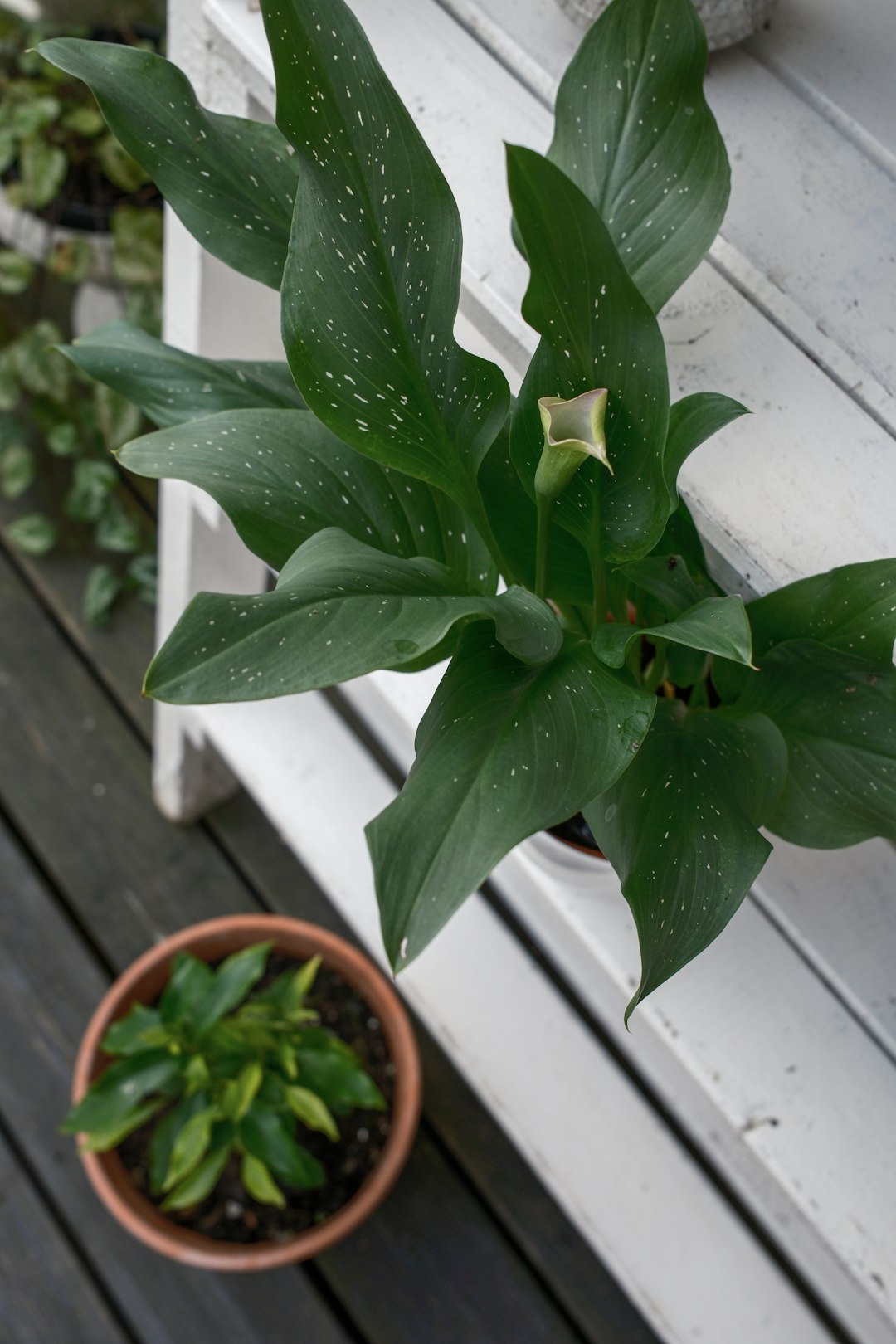
Your peace lily has stopped flowering. Your calathea is pushing itself out of its pot, roots curling up through the drainage holes like they're making a break for it. Your fern has gone from full and feathery to a dense, compacted mass that barely responds to watering. Sound familiar? Dividing overgrown houseplants is one of the most rewarding — and most avoided — tasks in indoor plant care. Many growers put it off because it feels risky. But with the right technique and a little patience, division can genuinely reinvigorate plants that have been quietly struggling for months.
Choosing the Right Propagation Method
Division is a form of vegetative propagation — you're not taking cuttings or waiting for seeds. Instead, you're separating an established plant into two or more sections, each with its own roots and foliage. This works specifically for clumping or multi-stemmed plants that naturally produce offshoots, pups, or crowns at the base.
Not every houseplant can be divided. The method suits plants that grow in clusters or form multiple crowns over time. Good candidates include:
- Peace lilies (Spathiphyllum) — produce multiple crowns and divide cleanly
- Calatheas and marantas — clumping rhizomatous growers that respond well to separation
- Boston ferns and sword ferns — dense, fibrous root systems that benefit from being split
- Snake plants (Dracaena trifasciata) — pups can be separated from the mother plant
- Spider plants — offshoots can be rooted or the main clump divided
- Cast iron plants (Aspidistra) — slow-growing but divisible at the rhizome
If your plant is a single-stemmed species — a monstera, a fiddle-leaf fig, a pothos vine — division isn't the right approach. Those plants need repotting into a larger container, or propagation via stem cuttings instead.
Timing matters almost as much as technique. Division done in early spring, just as the plant is entering its active growing season, gives each new section the best chance of establishing quickly.
Step-by-Step: Assessing Root Health Before You Divide
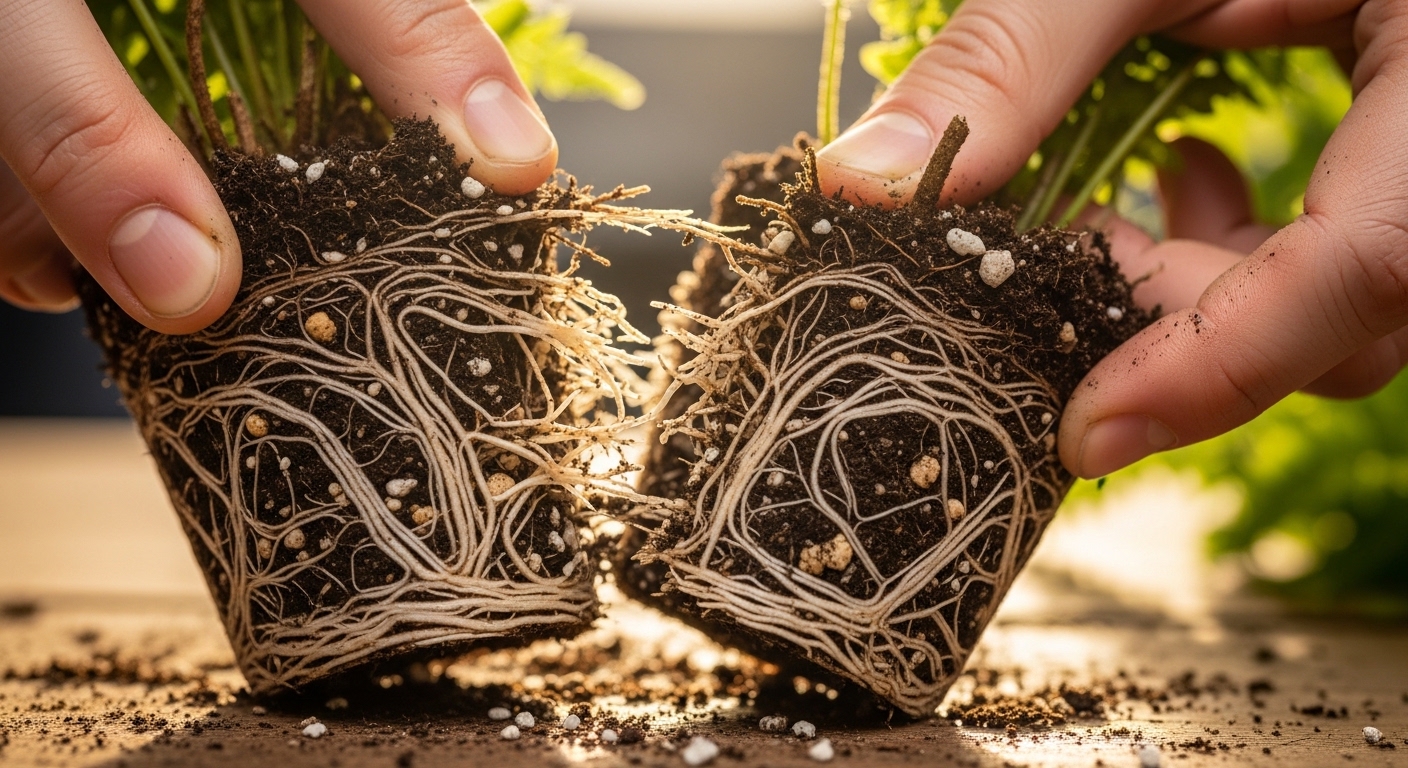
Before you separate anything, take a few minutes to assess what you're working with. Healthy roots are firm, white or pale tan, and slightly flexible. What you're looking for — and what you want to remove — are roots that are brown, mushy, or have a sour smell. Those are signs of rot, and dividing a plant with active rot without addressing it first will spread the problem to your new sections.
Here's how to do a proper root assessment before division:
- Water the plant 24 hours before — moist roots are more pliable and less likely to snap during handling.
- Remove the plant from its pot — tip it sideways and ease it out gently. For stubborn root balls, run a butter knife around the inner edge of the pot.
- Loosen the root mass — use your fingers or a chopstick to tease apart the outer roots. This reveals the internal structure and makes separation easier.
- Identify natural division points — look for where distinct crowns, stems, or rhizome sections naturally separate. These are your cut lines.
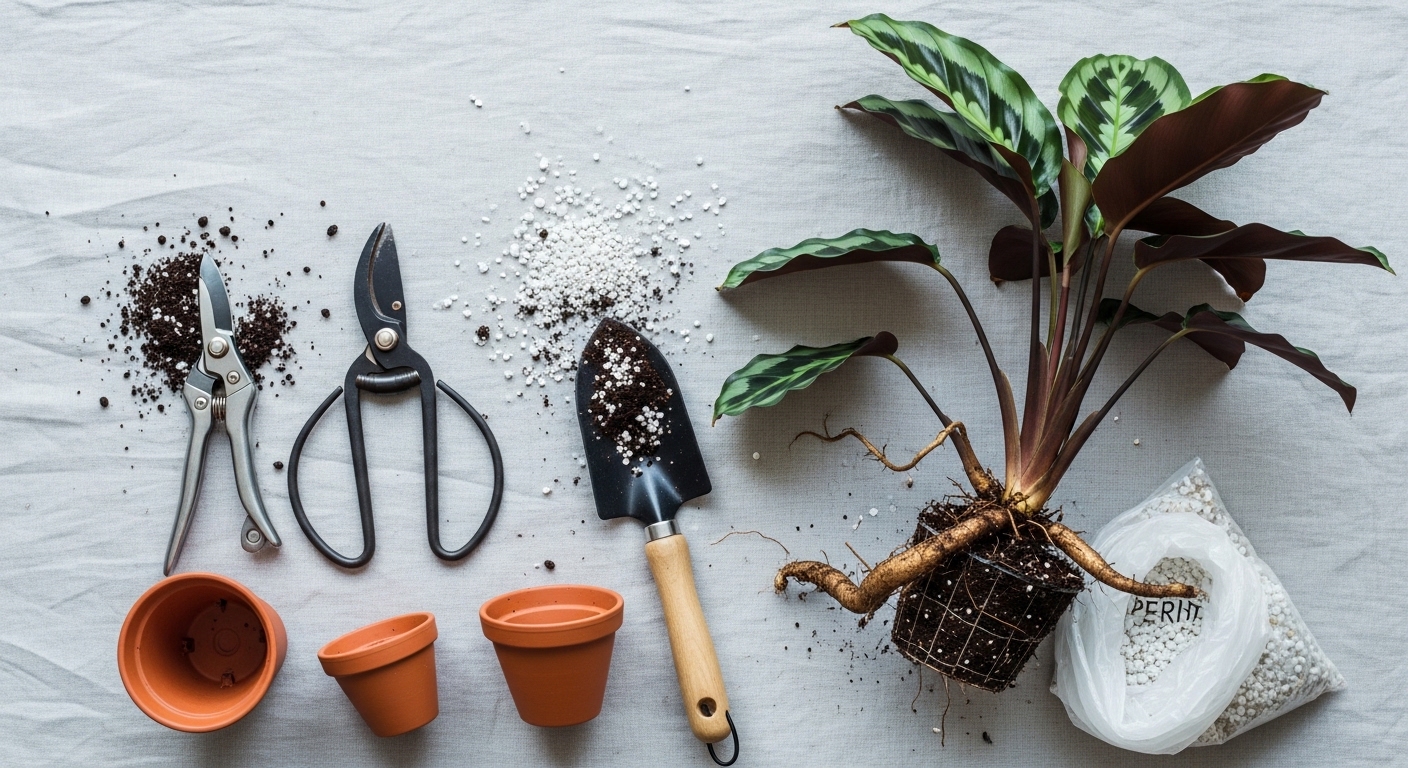
- Trim damaged roots — use clean, sharp scissors or pruning shears to remove any brown, mushy, or circling roots before dividing.
- Let cut surfaces air briefly — if you've removed a significant amount of root material, allowing cut ends to dry for 15–20 minutes can reduce the risk of infection.
One frustrating part of this process is discovering more root damage than expected once you get inside the root ball. It's common to see a plant that looks fine above the soil but has a dense, oxygen-starved core below. Don't be discouraged — removing that compromised material is exactly the right call.
Step-by-Step: The Division Technique
The actual separation technique depends on the plant. Some divide with almost no resistance — peace lily crowns often pull apart by hand with gentle pressure. Others, like mature ferns or cast iron plants, have root systems so dense and intertwined that a clean cut with a sharp knife is the only practical option.
For clumping plants with distinct crowns (peace lilies, calatheas):
- Hold the root ball in both hands and locate where two crowns meet at the base.
- Apply gentle, steady outward pressure — many crowns will separate with minimal force.
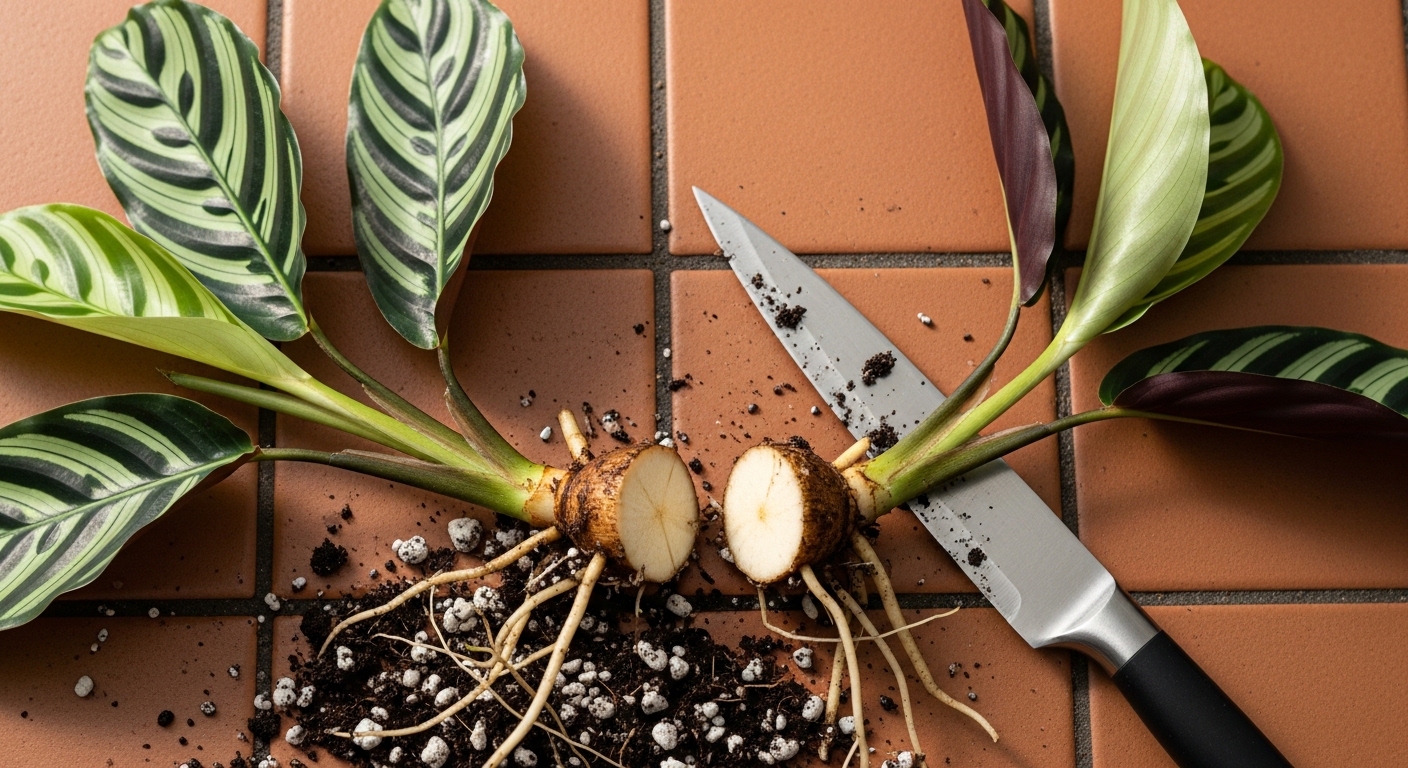
- If resistance is significant, use a clean, sharp knife to cut between the crowns. Avoid sawing; one clean cut causes less tissue damage.
- Each division should have at least 2–3 healthy leaves and a reasonable portion of roots attached.
For dense fibrous root masses (ferns, spider plants):
- Place the root ball on a firm surface.
- Use a sharp knife or pruning saw to cut directly through the center, or into thirds for very large specimens.
- Check each section — if any portion has very few roots, it may struggle to establish. Combine it with a larger section rather than potting it alone.
For rhizomatous plants (snake plants, cast iron plants):
- Expose the rhizome — the thick horizontal stem running beneath the soil.
- Identify where pups or offshoots connect to the main rhizome.
- Cut cleanly between the pup and the mother plant, ensuring the pup has at least one or two roots of its own.
- Dust cut rhizome surfaces with powdered cinnamon or activated charcoal, which many growers use as a natural deterrent against fungal infection at cut points.
Rooting Timeline & What to Expect
After division, each new plant section goes through a period of adjustment that can look alarming if you're not expecting it. Drooping, slight yellowing of lower leaves, and temporary growth stalls are all normal responses to root disturbance. The plant is redirecting energy toward root repair and establishment rather than producing new foliage.
General recovery timeline for divided houseplants:
- Days 1–7: Expect wilting or drooping, especially in peace lilies and calatheas. Keep the plant in bright indirect light and maintain consistent moisture without overwatering.
- Week 2–3: Drooping should ease as roots begin to reestablish contact with the new soil. Avoid fertilizing during this window — the roots are too stressed to process nutrients efficiently.
- Week 4–6: New leaf growth is a reliable signal that the division has successfully established. This is when you can resume a light feeding schedule.
- 2–3 months: The plant should be fully settled. Ferns may take slightly longer to fill out their new pot.
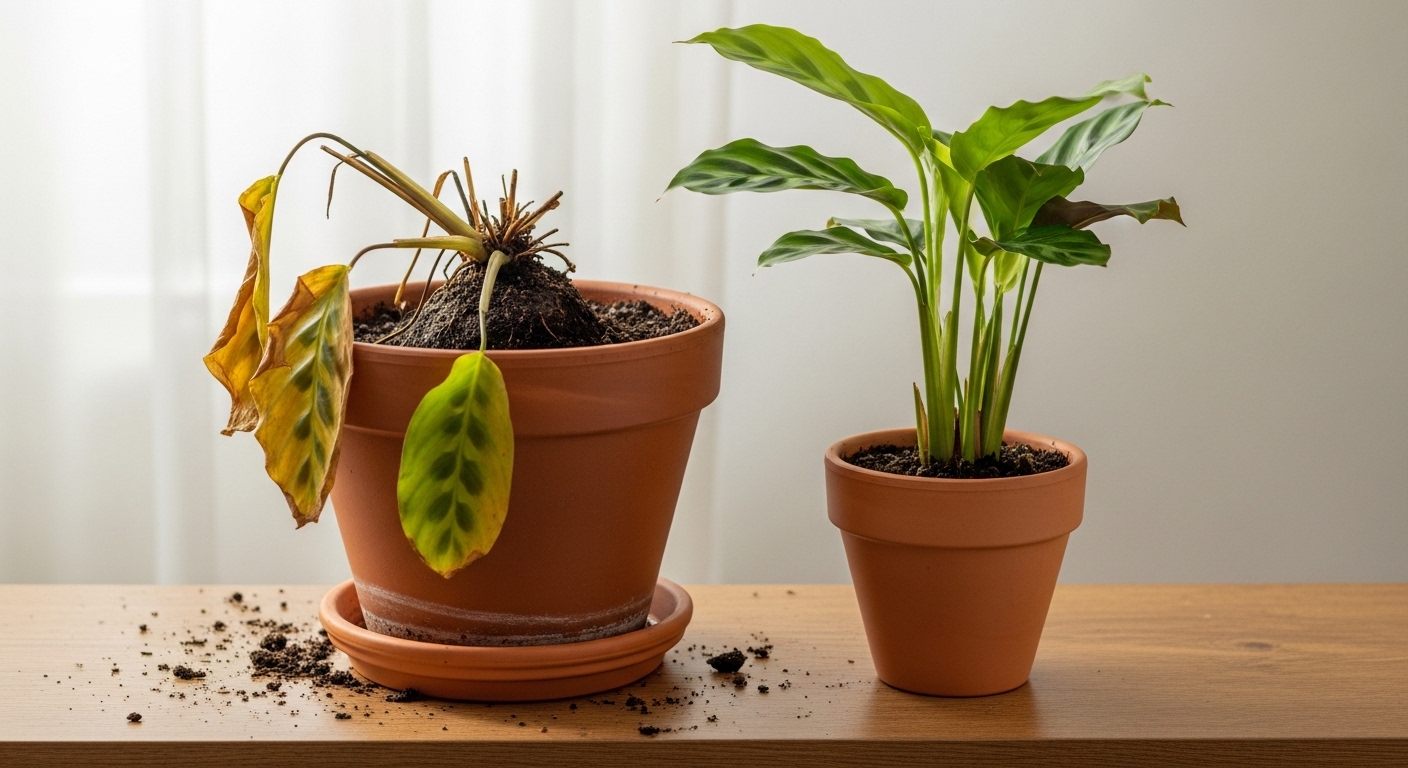
Many growers notice that calatheas in particular look quite rough for the first two weeks post-division — leaves curling, edges crisping slightly. In most cases, this resolves on its own as the root system recovers. Resist the urge to water heavily in response to wilting; check the soil moisture first.
Common Division Mistakes
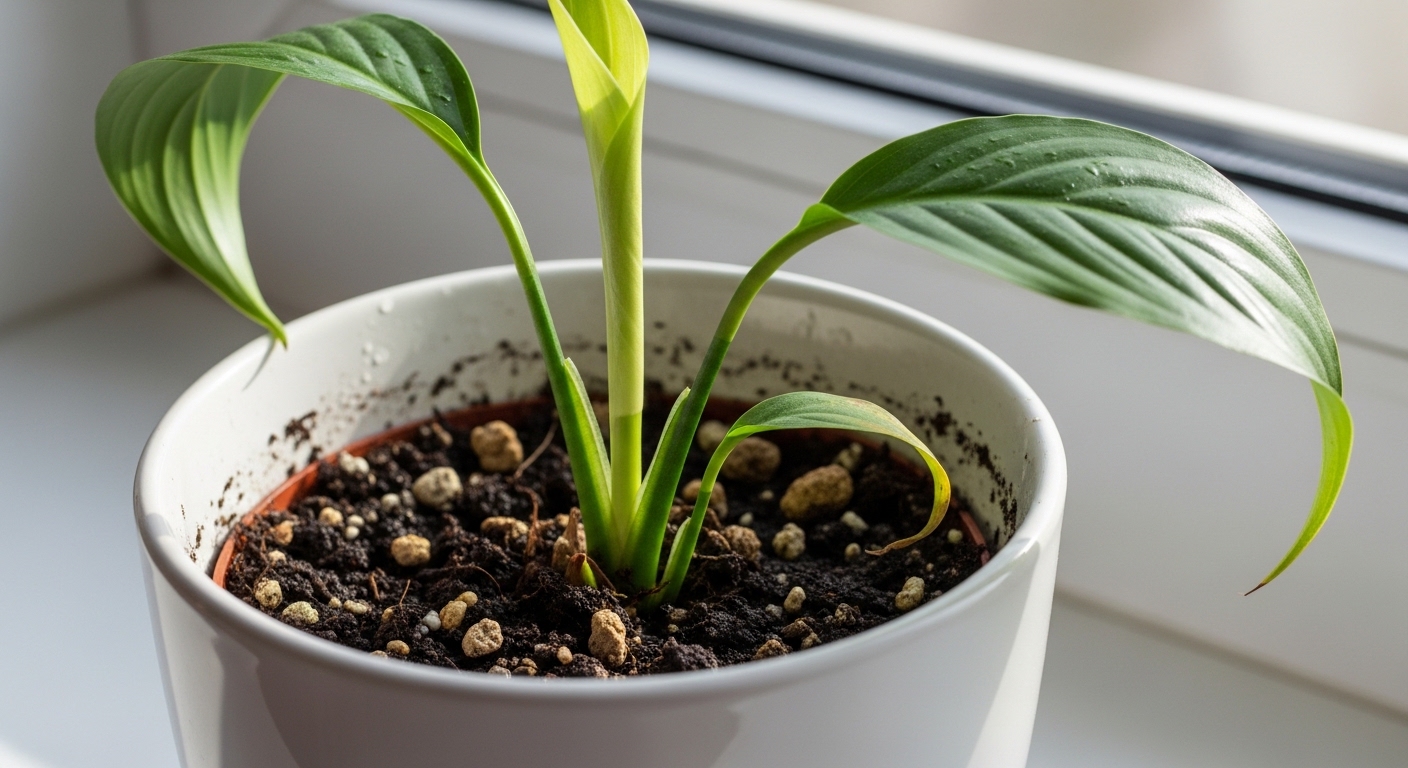
- Dividing into sections that are too small. Each division needs enough roots and foliage to sustain itself. Sections with only one leaf and a few root threads often fail to establish, especially in lower humidity environments.
- Skipping the root health check. Potting up a division that still contains rotted root material just moves the problem into a new container. Always inspect and trim before repotting.
- Using pots that are too large. It's tempting to give each new division plenty of room, but oversized pots hold excess moisture around limited root systems, increasing rot risk. Choose a pot only slightly larger than the root section you're planting.
- Fertilizing immediately after division. Fresh cuts and stressed roots can be burned by fertilizer salts. Wait until you see active new growth before feeding.
- Placing divisions in direct sun to 'help them recover.' Stressed, newly divided plants are more sensitive to light intensity. Bright indirect light is the right environment during recovery, not a sunny south-facing sill.
Potting Up Your New Plant
Potting up after division is straightforward, but a few details make a real difference to how quickly each section establishes.
Choose a well-draining mix suited to your plant type. For peace lilies and calatheas, a mix of standard indoor potting soil with added perlite (roughly 70% soil, 30% perlite by volume) improves drainage and aeration without drying out too quickly. Ferns generally prefer a slightly more moisture-retentive mix — a blend with some coco coir works well for many growers.
Pot sizing matters more than most guides acknowledge. A pot with roughly 2–3 cm of space around the root ball is sufficient. This keeps moisture levels manageable while the roots are still limited in volume.
Aftercare steps to follow immediately after potting:
- Water thoroughly until water drains from the bottom — this settles the soil around the roots and eliminates air pockets.
- Place in bright indirect light, away from heating vents, air conditioning, or drafts.
- Maintain ambient humidity above 50% if possible — calatheas and ferns especially benefit from this during recovery.
- Check soil moisture every 2–3 days by pressing a finger 2 cm into the soil. Water when it feels dry at that depth.
- Hold off on fertilizing for at least 4 weeks.
Some growers place a clear plastic bag loosely over the division for the first week to create a humid microclimate. This can help reduce leaf stress during establishment, though it's not essential if your home humidity is already reasonable.
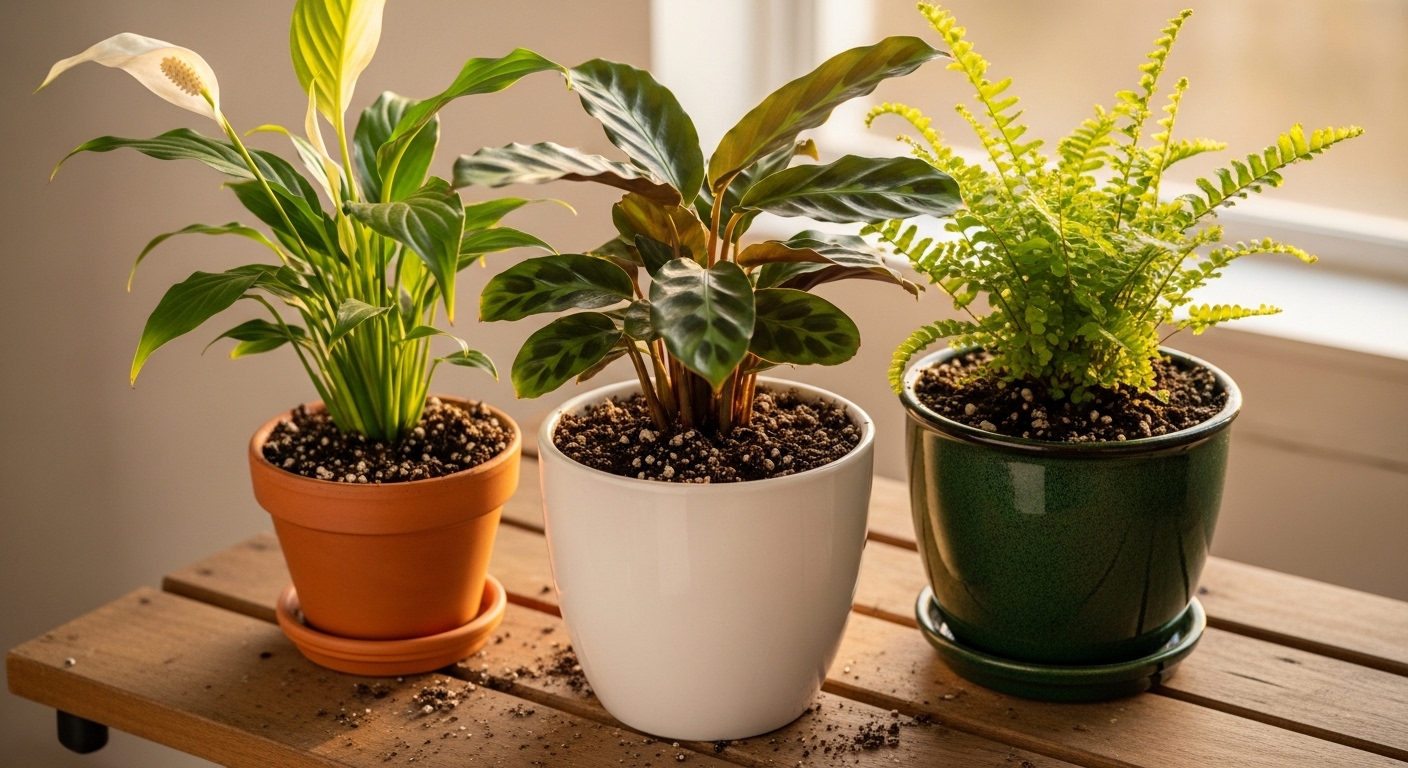
Division is one of those skills that feels uncertain the first time and almost intuitive by the third. Each plant teaches you something slightly different — how a peace lily crown separates with almost a satisfying click, how a fern's root mass resists until it doesn't. The more you work with roots directly, the better you get at reading what a plant actually needs.
If you're ready to take the next step, start with a peace lily or spider plant — both are forgiving of minor technique imperfections and recover quickly. And if root health or overwatering has been an ongoing issue with your collection, exploring soil mix and drainage choices in more depth is a natural next topic to dig into.


Comments
Post a Comment