Best Soil Mix for Indoor Houseplants: Full Guide
If your houseplants keep struggling despite regular watering and decent light, the problem might be right under your roots — literally. Choosing the best soil mix for indoor houseplants is one of the most impactful decisions you can make as a plant parent. The wrong mix can suffocate roots, cause rot, or starve your plant of nutrients, while the right one creates the foundation for genuinely thriving growth. Whether you're caring for a lush tropical, a sculptural succulent, or a dramatic aroid, this guide will walk you through exactly what your soil needs to do — and how to build it.
Understanding What Potting Soil Actually Does
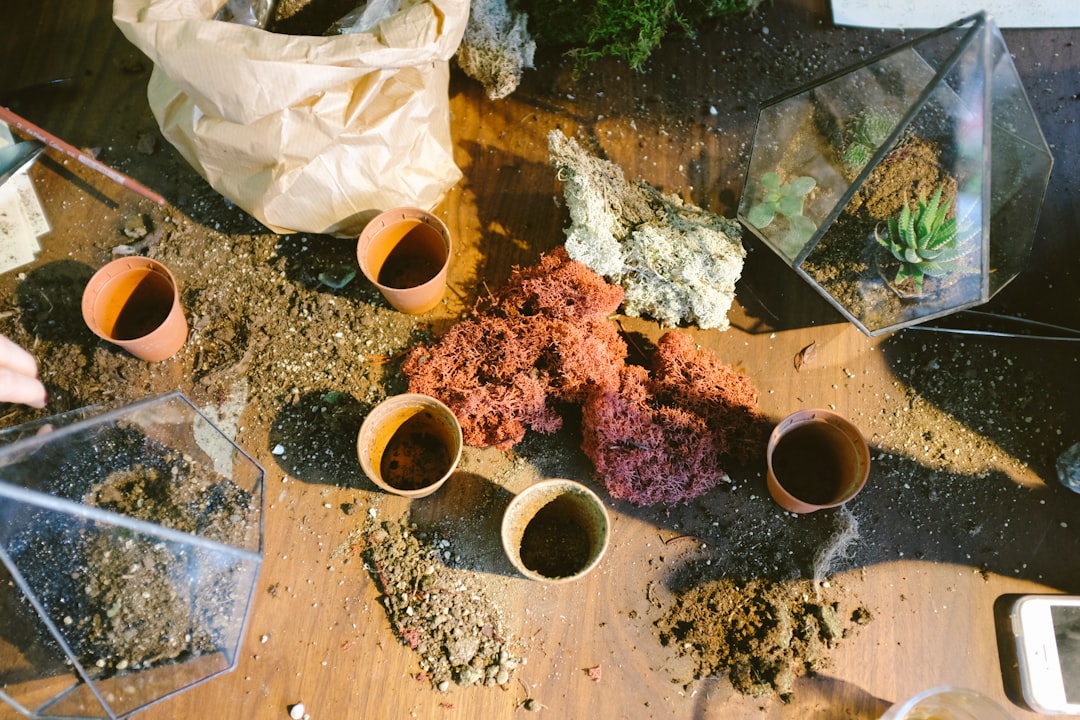
Potting soil is not just filler — it performs three critical jobs simultaneously: it anchors roots, delivers moisture and nutrients, and allows excess water and oxygen to move freely through the root zone. When any one of these functions is compromised, your plant will tell you through yellowing leaves, stunted growth, or root rot.
Most bagged 'all-purpose' potting mixes are designed for a generic plant, which means they're optimized for none in particular. They often contain a high proportion of peat or coco coir, which retains moisture well but can become compacted over time, reducing the aeration that roots genuinely need. Understanding what's inside your bag — and what your specific plant wants — is where good soil decisions begin.
The three core properties to evaluate in any mix are:
- Drainage: how quickly excess water moves through and out of the pot
- Aeration: the presence of air pockets that allow roots to breathe
- Nutrient retention: the mix's ability to hold and slowly release minerals to the root zone
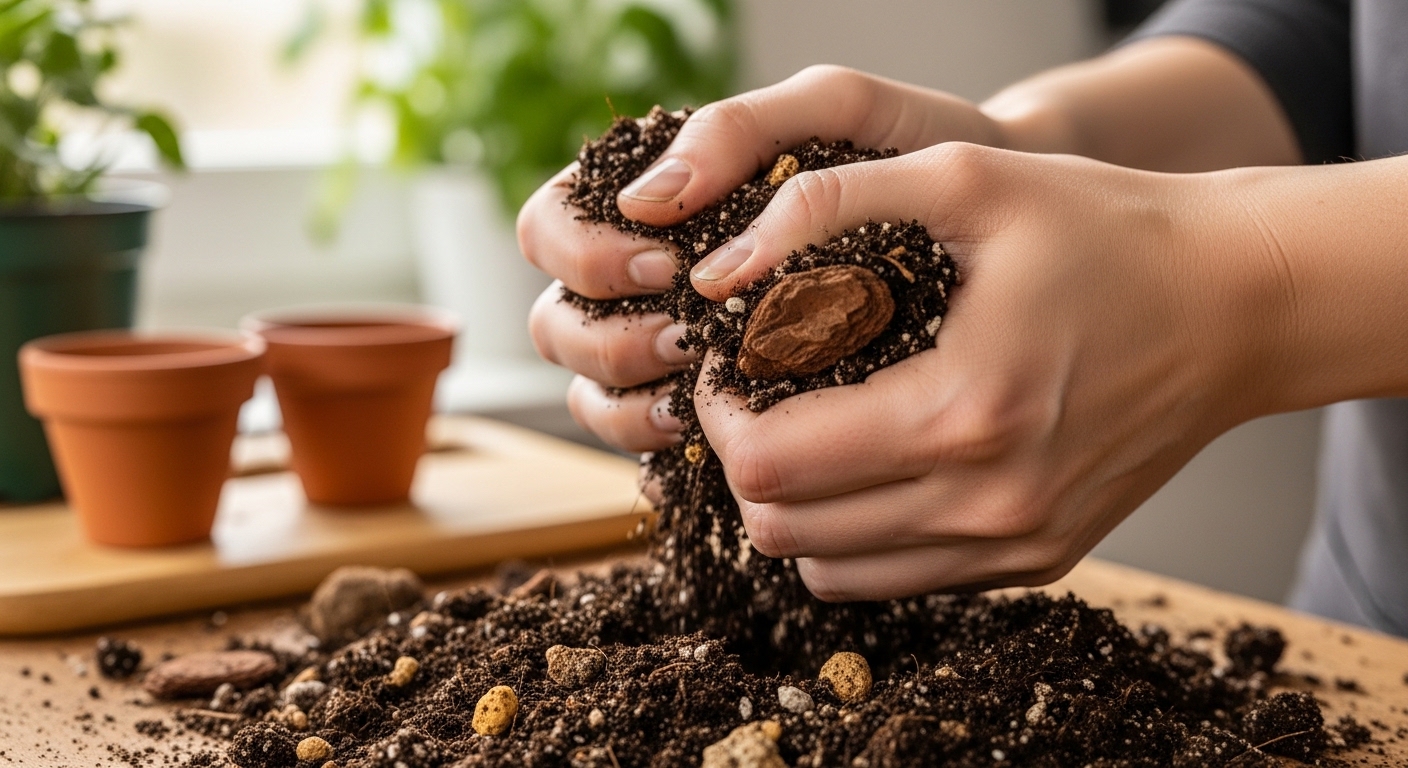
A well-structured potting mix should feel loose and springy in your hand — not dense, not dusty. If it clumps into a hard ball when squeezed and doesn't break apart easily, it's likely too compacted for most indoor plants.
Watering the Right Way Starts with the Right Soil
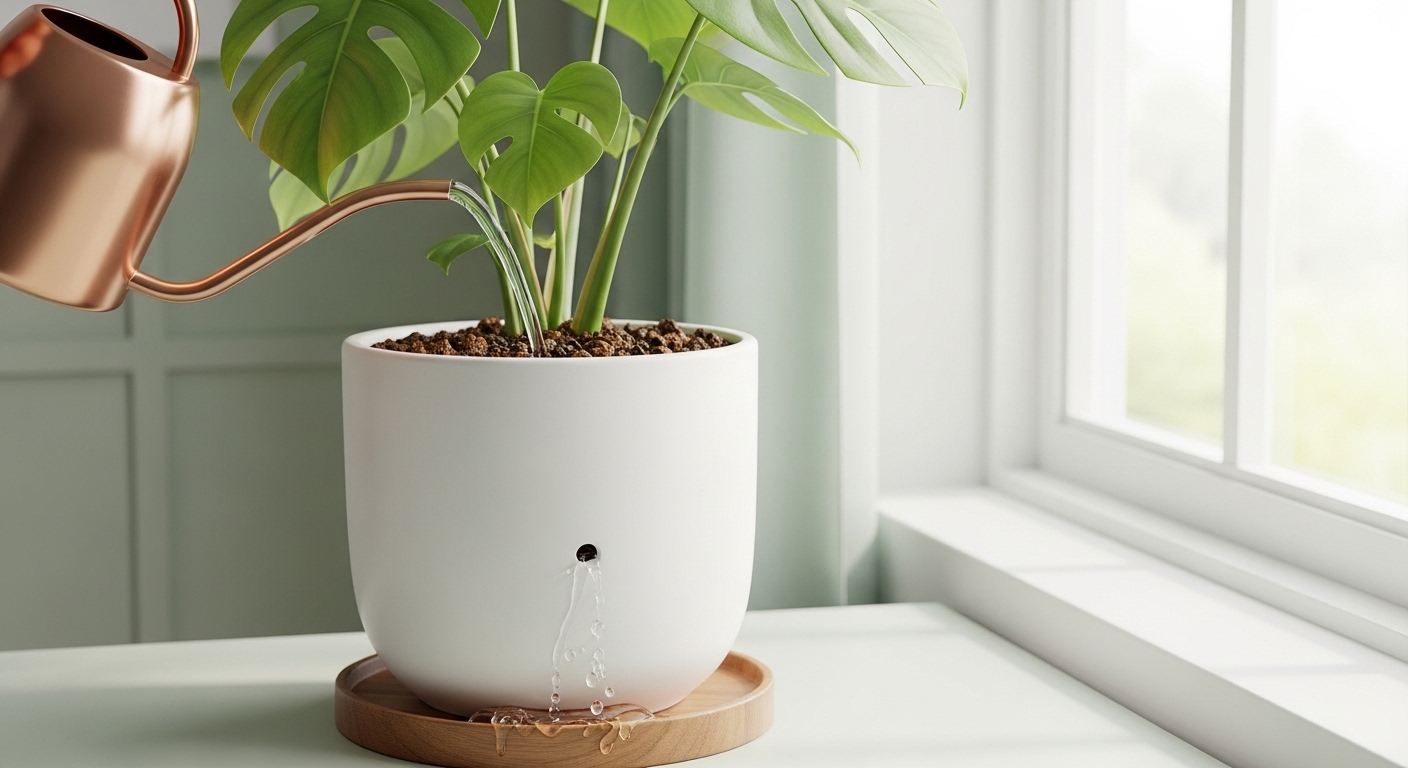
Here's a truth most beginner plant parents discover the hard way: overwatering is rarely about too much water — it's about soil that holds moisture too long. When your mix stays wet for days after watering, roots sit in anaerobic conditions that invite rot and fungal issues. The goal is a mix that drains freely but retains just enough moisture to hydrate roots between waterings.
A reliable way to test your soil's drainage is to water thoroughly and observe how long the top 2–3 cm takes to dry out. For most tropical houseplants, that should take roughly 2–4 days in average indoor conditions. For succulents and cacti, you want the entire pot to feel dry within 3–5 days. If it's taking longer, your mix likely needs more drainage amendment.
Common amendments that improve drainage and aeration include:
- Perlite: lightweight volcanic glass that creates air pockets and prevents compaction
- Horticultural grit or coarse sand: adds weight and drainage, ideal for succulents
- Pumice: similar to perlite but denser, excellent for heavy-rooted aroids
- Orchid bark: chunky wood pieces that mimic the epiphytic conditions many aroids prefer
Water your plants when the top 2 cm of soil feels dry to the touch for tropicals, or when the top half of the pot feels dry for drought-tolerant species. The right soil makes this rhythm much easier to read and maintain.
Light Requirements and How They Affect Soil Choice
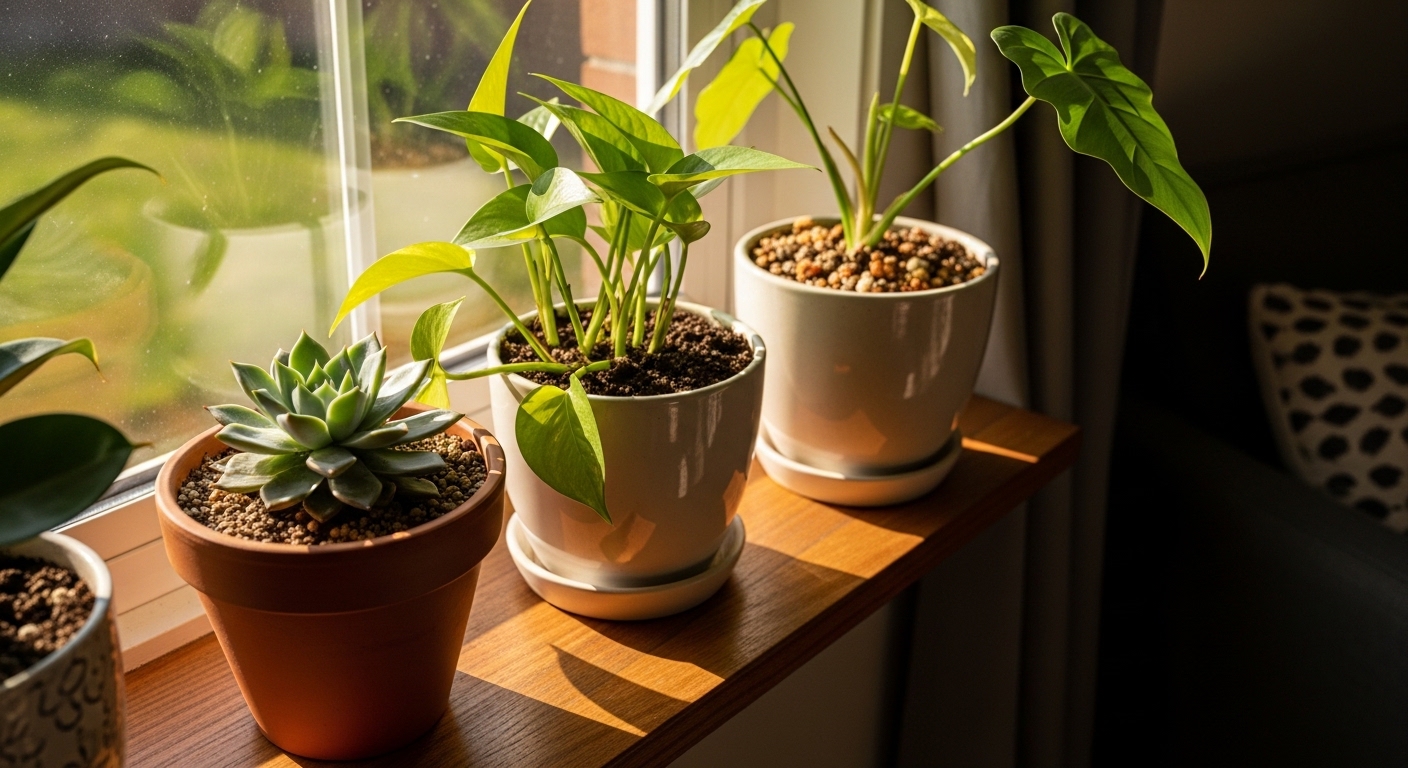
It might seem surprising, but the light your plant receives directly influences how quickly its soil dries out — and therefore which soil mix it needs. A plant sitting in bright indirect light will photosynthesize actively, transpire more water through its leaves, and dry out its root zone faster than the same plant in a low-light corner. This means a moisture-retentive mix that works well in a dim hallway could cause root rot if moved to a sunny south-facing windowsill.
As a general principle, match your soil's water-holding capacity to your plant's light level and growth rate. Fast-growing plants in bright light can handle a slightly richer, more moisture-retentive mix because they're actively consuming water and nutrients. Slow-growing plants in lower light need a leaner, faster-draining mix to avoid waterlogging between waterings.
Consider these light-to-soil pairings as a starting framework:
- Bright direct or indirect light: standard mix with 20–30% perlite for good drainage
- Medium indirect light: balanced mix with moderate perlite and some coco coir
- Low light: lean, fast-draining mix with extra perlite or pumice to prevent stagnation
Humidity, Temperature, Soil pH, and Nutrient Retention
Beyond drainage and aeration, your soil's chemistry matters. Most tropical houseplants prefer a slightly acidic pH in the range of 5.5 to 6.5, which is the sweet spot where essential nutrients like nitrogen, phosphorus, and iron remain most available to roots. Coco coir tends to be naturally close to neutral (around 6.0–6.8), while peat moss is more acidic (around 3.5–4.5), which is why many growers are shifting toward coco-based mixes as a more sustainable and pH-stable base.
Nutrient retention is largely handled by organic matter in the mix. Worm castings, compost, and quality potting compost all contribute slow-release nutrients that feed your plant between fertilizing sessions. For most indoor plants, a light top-dressing of worm castings every few months can meaningfully support healthy foliage without the risk of over-fertilizing.
Temperature also plays a subtle role — cold soil slows root metabolism and nutrient uptake significantly. If your home drops below 15°C (59°F) in winter, your plant's roots may struggle to absorb nutrients even in a perfectly formulated mix. Keeping pots away from cold floors and drafty windows during cooler months tends to make a noticeable difference in overall plant health.
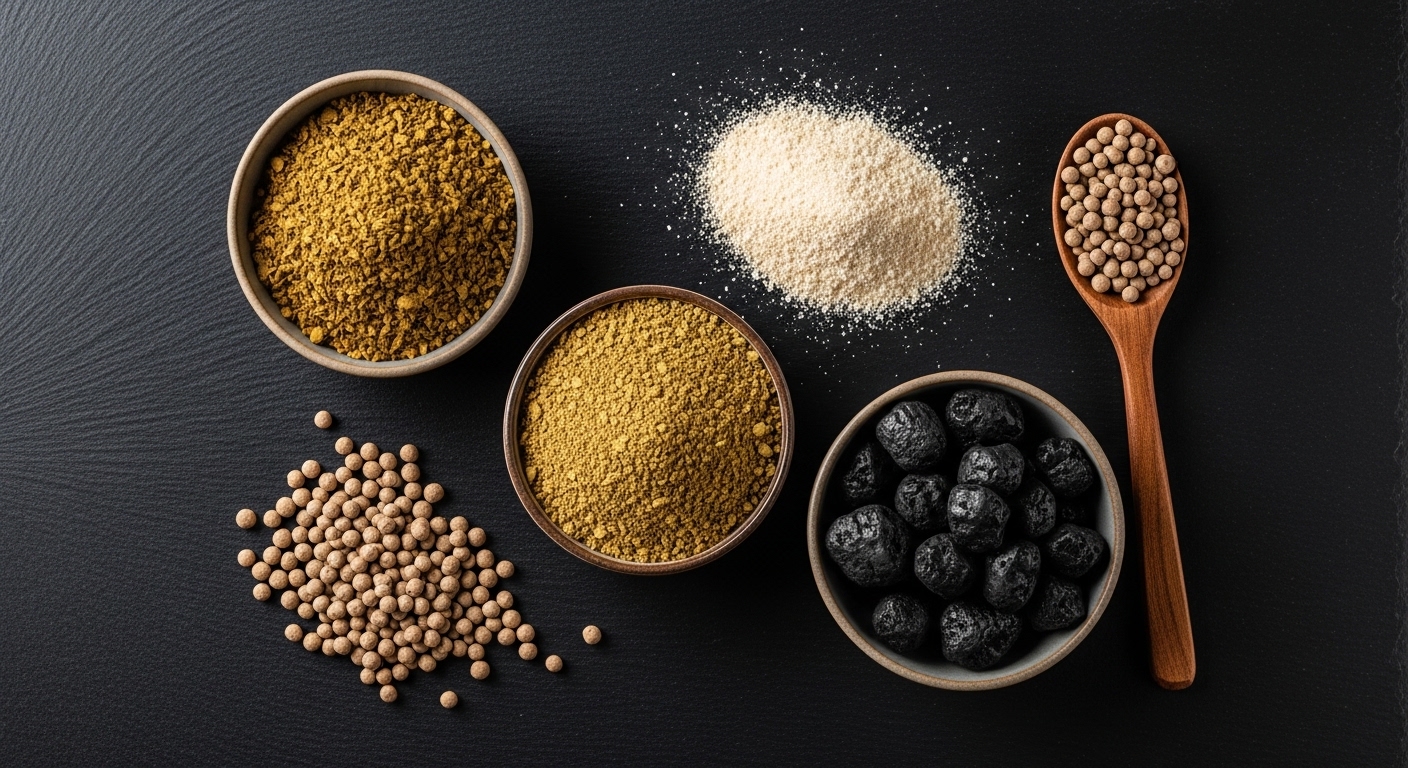
Key soil additives for nutrient retention and pH balance:
- Worm castings: gentle, slow-release nutrition with beneficial microbes
- Coco coir: sustainable peat alternative with good moisture retention and near-neutral pH
- Biochar: improves microbial activity and can help buffer pH over time
- Slow-release granular fertilizer: mixed into the base layer at potting time for long-term feeding
Common Indoor Soil Mistakes to Avoid
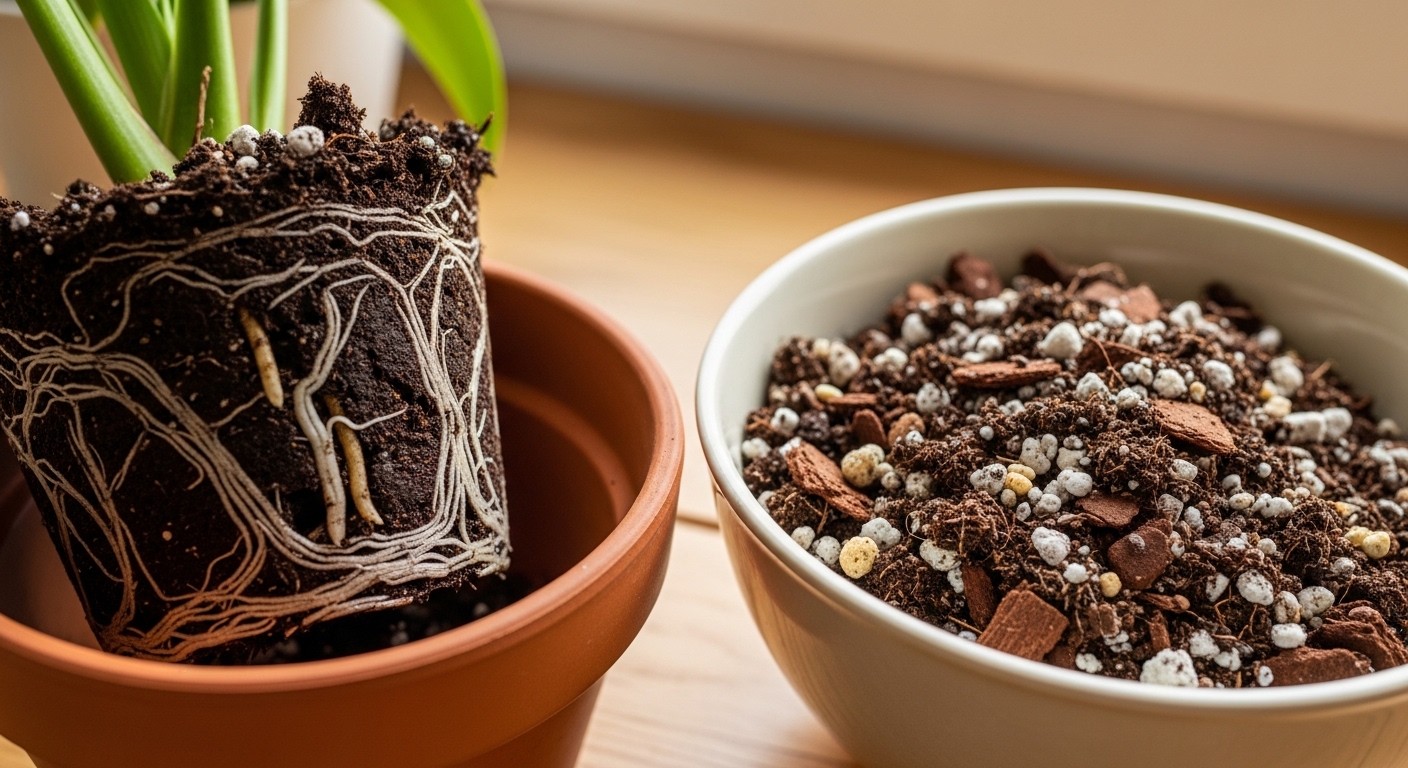
- Using garden soil indoors: Garden soil compacts heavily in containers, drains poorly, and often introduces pests or pathogens. Always use a mix formulated for container growing.
- Skipping drainage amendments: Using bagged potting mix straight from the bag without adding perlite or bark often results in a mix that stays too wet for most indoor plants.
- Never refreshing the soil: Potting mix breaks down over 12–18 months, losing its structure and nutrient content. Repotting or top-dressing annually helps maintain a healthy root environment.
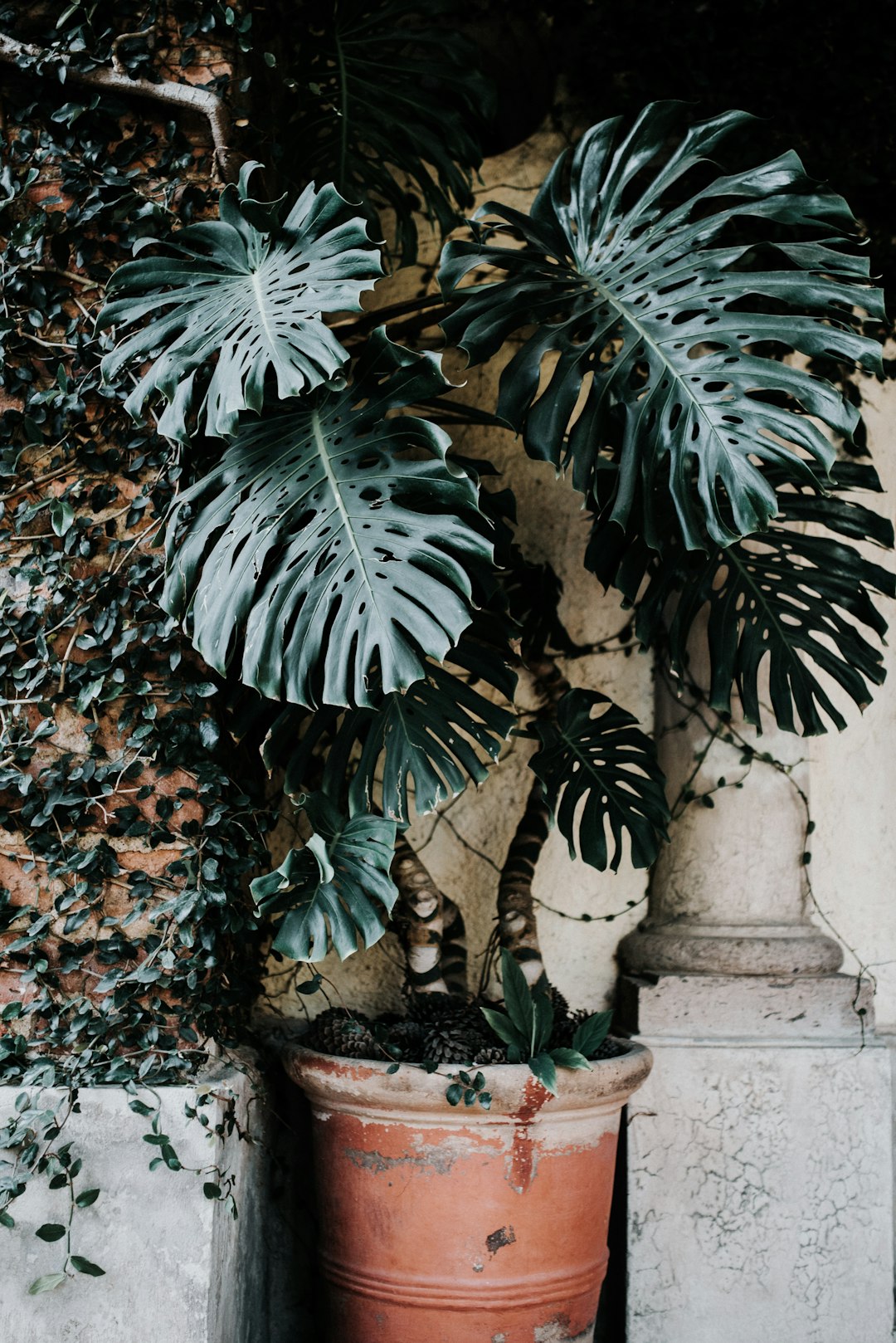
- Using the same mix for every plant: A succulent and a Monstera have fundamentally different soil needs. One mix does not suit all — and using a moisture-retentive tropical mix for a cactus is a common cause of rot.
- Ignoring pot size in relation to mix: A large pot with a small plant holds excess moist soil around the root ball, which can stay wet far too long. Match pot size carefully, and choose a faster-draining mix when upsizing significantly.
Yellowing lower leaves + soggy soil: likely a drainage or overwatering issue — consider repotting into a leaner mix with more perlite.
Wilting despite moist soil: may indicate root rot from compacted, waterlogged mix — check roots for mushy, dark sections.
Soil pulling away from pot edges when dry: mix has become hydrophobic — water is running around the root ball rather than through it. Consider repotting or using a wetting agent.
Quick Soil Mix Checklist by Plant Type
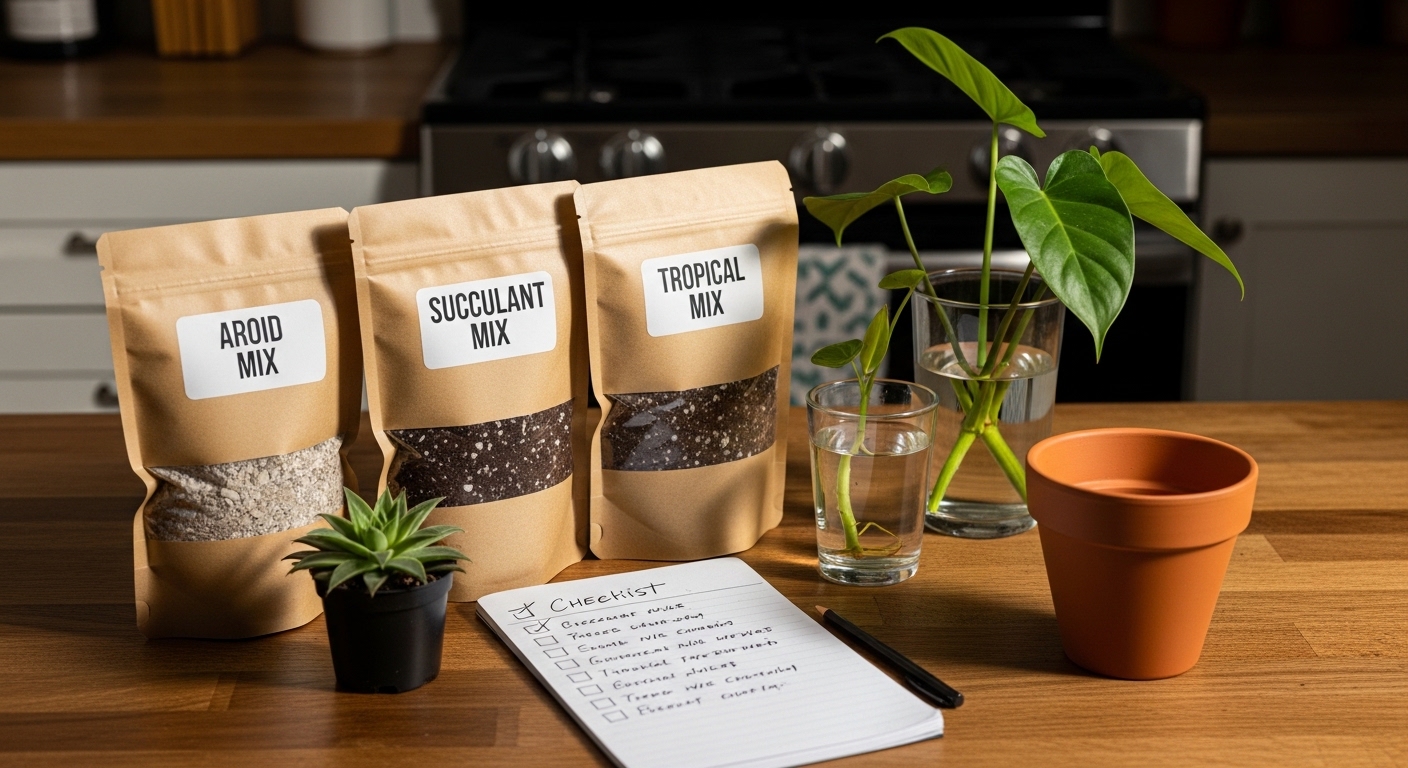
Use this as your go-to reference when potting or repotting your indoor plants. These ratios are starting points — adjust based on your home's humidity, light levels, and how quickly your current mix dries out.
Tropical Houseplants (Pothos, Peace Lily, Ferns)
- 60% quality peat-free potting compost
- 20% perlite
- 10% coco coir
- 10% worm castings
Aroids (Monstera, Philodendron, Pothos, Alocasia)
- 40% potting compost
- 30% orchid bark (medium grade)
- 20% perlite or pumice
- 10% worm castings
Succulents and Cacti
- 50% potting compost or coco coir
- 30% coarse horticultural grit or coarse sand
- 20% perlite or pumice
Orchids
- 70–80% medium or coarse orchid bark
- 10–15% perlite
- 10% charcoal (optional, for freshness and drainage)
When in doubt, go leaner. Most indoor plant deaths are caused by too much moisture retention, not too little. A slightly fast-draining mix is far easier to correct with more frequent watering than a waterlogged mix is to recover from.
Getting your soil right is genuinely one of the highest-leverage things you can do for your indoor garden. It's the invisible foundation that makes every other care decision — watering, fertilizing, repotting — more effective and more forgiving. Once you start mixing your own blends and watching your plants respond, it becomes one of the most satisfying parts of the whole growing journey.
Start with one plant, one mix, and observe closely over the next few weeks. Notice how quickly the soil dries, how the leaves look, how the roots behave at repotting time. Your plants will teach you more than any guide can — and the right soil gives them the best possible conditions to do exactly that.


Comments
Post a Comment