How Often to Water Indoor Plants: A Beginner's Guide
Overwatering is quietly the number one reason houseplants struggle indoors — and the frustrating part is that it often looks exactly like underwatering. If you've ever wondered how often you should water indoor plants, the honest answer is: it depends. Plant type, pot size, season, soil mix, and even your home's humidity all play a role. This guide will walk you through every factor so you can stop guessing and start reading your plants like a pro.
Understanding Your Plant's Environment
Before you set a watering schedule, it helps to understand what's actually happening inside the pot. Plant roots absorb water and oxygen from the soil — and they need both. When soil stays wet for too long, oxygen is pushed out and roots begin to suffocate, leading to root rot. When soil dries out completely for extended periods, cells in the leaves and stems lose turgor pressure and the plant wilts.
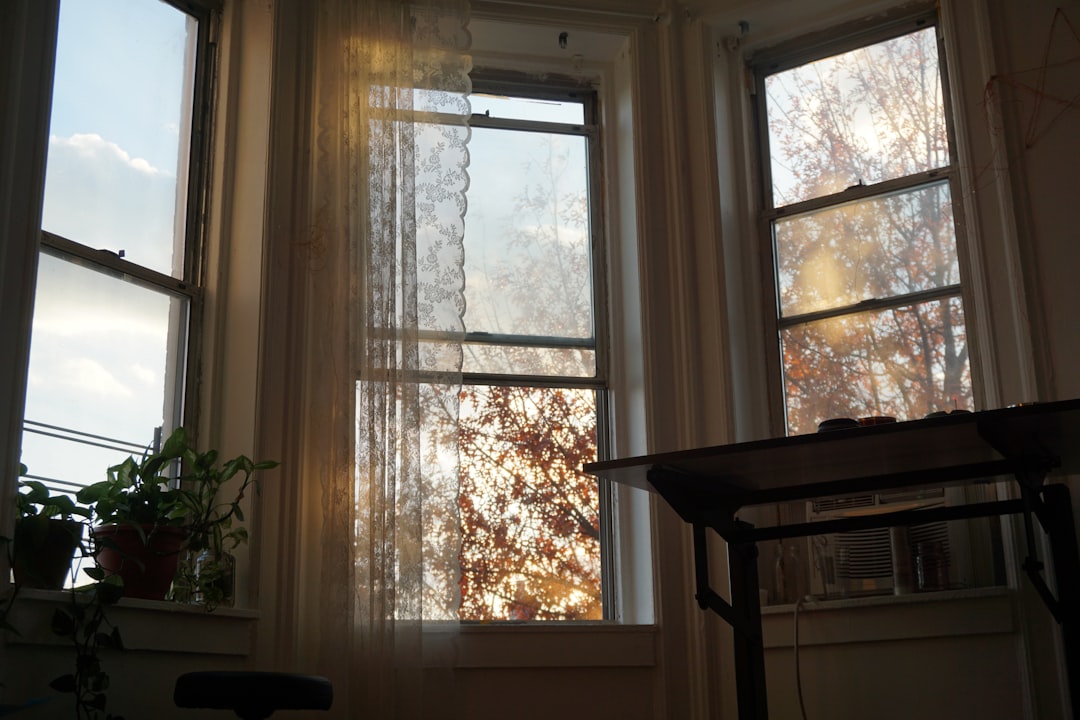
Your home environment directly influences how quickly that moisture evaporates. A south-facing window in summer creates very different drying conditions than a north-facing corner in January. Factors like central heating, air conditioning, and proximity to drafts all accelerate or slow soil moisture loss in ways that no fixed schedule can fully predict.
This is why experienced plant parents rely on soil observation rather than calendar reminders. Learning to read your soil is the single most transferable skill in indoor plant care.
Watering the Right Way
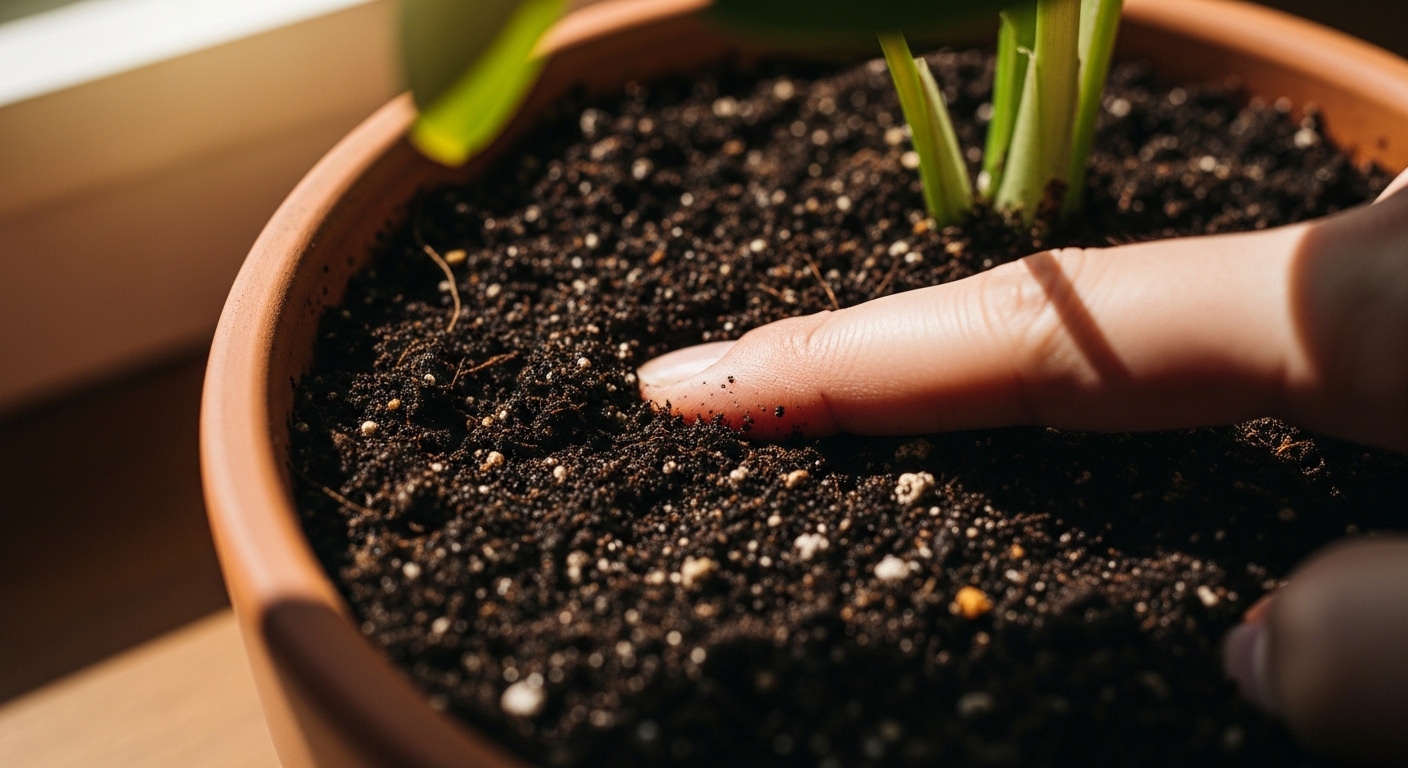
The most reliable method for knowing when to water is the finger test: push your finger about 2 cm into the soil. If it feels moist, wait. If it feels dry at that depth, it's generally time to water. For succulents and cacti, let the soil dry out completely — right to the bottom of the pot — before watering again. For moisture-loving tropicals like calatheas or ferns, water when just the top layer feels dry.
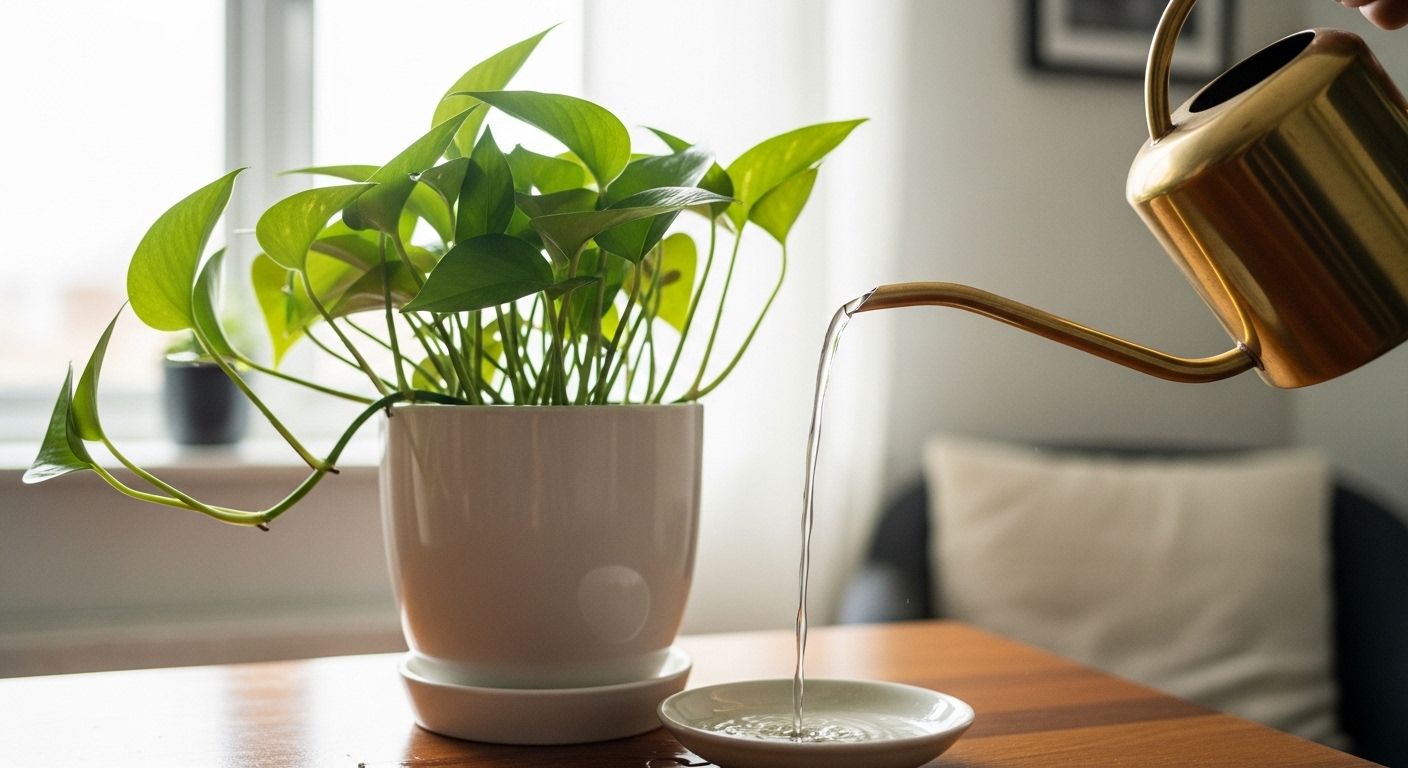
When you do water, water thoroughly. Pour slowly and evenly until water drains freely from the drainage holes. This encourages roots to grow downward toward moisture rather than clustering near the surface. Empty the saucer after 30 minutes to prevent the roots from sitting in standing water.
A deep, infrequent watering almost always serves indoor plants better than a little water every day. Consistent shallow watering tends to encourage weak, surface-level root systems.
Bottom watering — placing the pot in a tray of water and allowing the soil to absorb moisture from below — is another excellent technique, especially for plants prone to crown rot like African violets. Allow the pot to soak for 20–30 minutes, then remove and let it drain fully.
Light Requirements and How They Affect Watering
Light and water are deeply connected. A plant in bright, indirect light is actively photosynthesizing, growing, and transpiring — which means it uses water faster. The same plant moved to a low-light corner will slow its metabolism and need water far less frequently. This is one of the most commonly overlooked reasons why watering schedules fail.
As a general rule, plants in high-light positions may need watering every 5–7 days in summer, while the same plant in lower light might only need water every 10–14 days. Seasonal light shifts — especially the dramatic reduction in daylight hours during autumn and winter — mean you should always reassess your watering rhythm as the months change.
- High light (south or west window): Soil dries faster — check every 4–5 days.
- Medium light (east window or filtered south): Check every 7 days as a starting point.
- Low light (north window or interior rooms): Check every 10–14 days; overwatering risk is highest here.
Humidity, Temperature, Pot Size & Soil
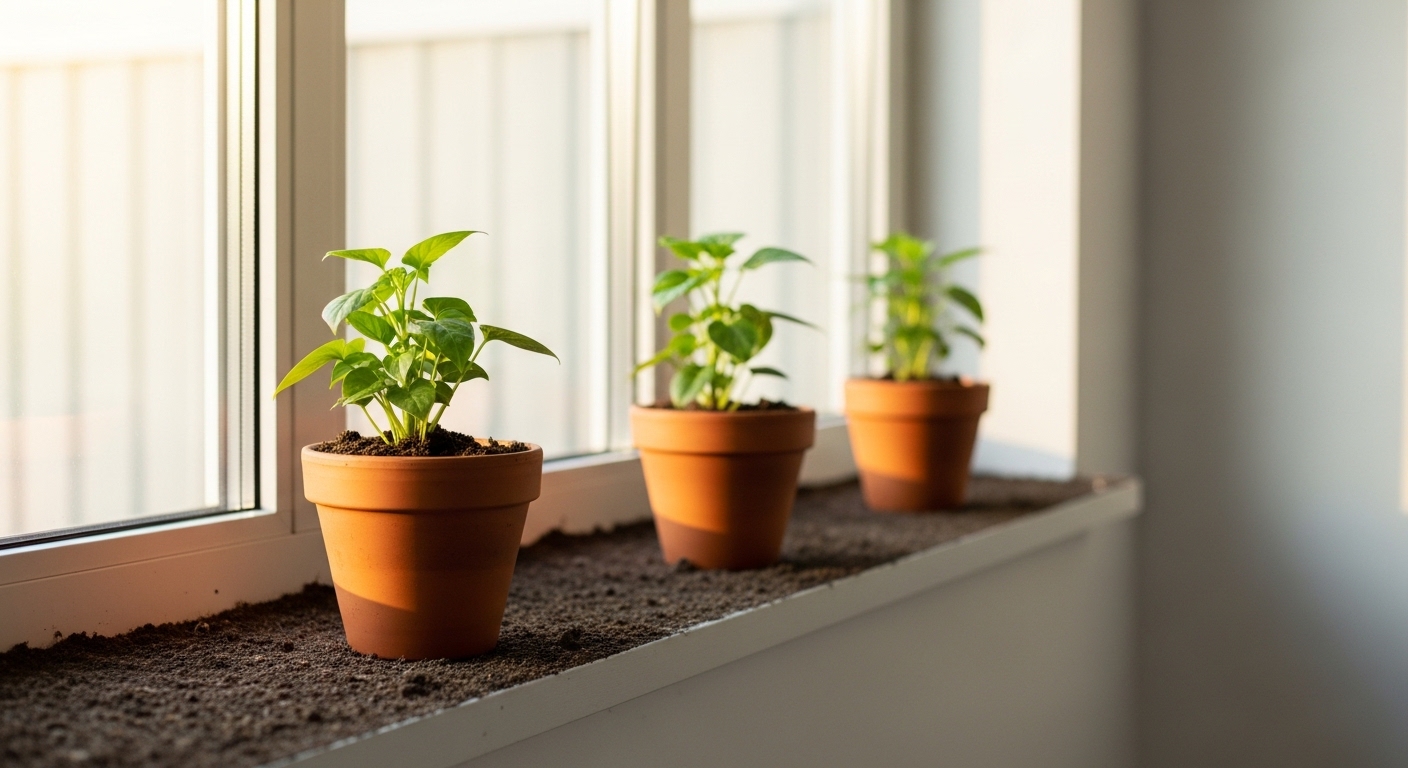
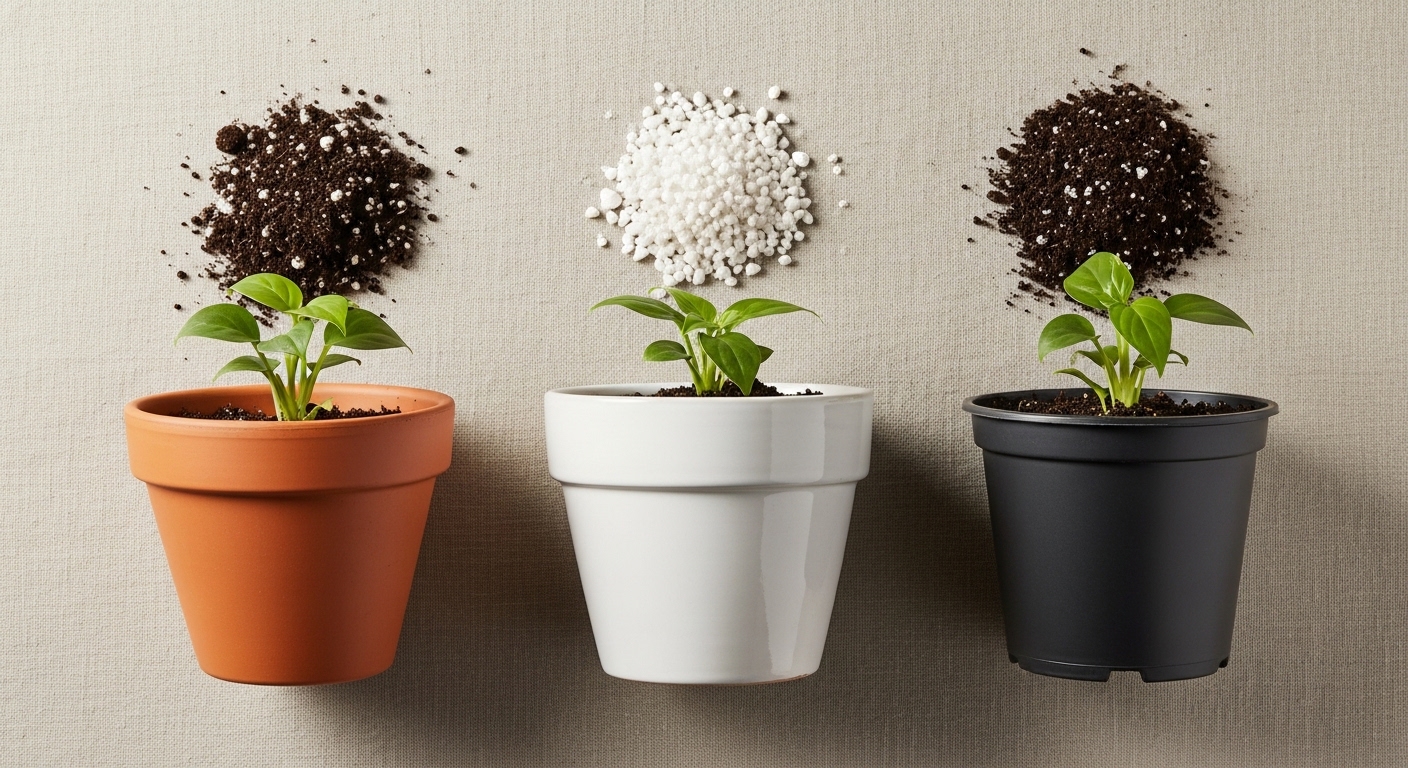
Pot material and size have a surprisingly large impact on watering frequency. Terracotta pots are porous and allow moisture to evaporate through the walls, which means they dry out faster — often a benefit for succulents and plants prone to root rot. Glazed ceramic and plastic pots retain moisture longer, which suits ferns, calatheas, and other humidity-loving species.
Pot size matters too. A plant in an oversized pot has far more soil volume than its roots can efficiently absorb — that excess wet soil becomes a breeding ground for fungal issues and root rot. When repotting, choose a pot only 2–5 cm larger in diameter than the previous one.
Soil composition is equally important. A well-draining mix — typically containing perlite, bark, or coarse sand — allows excess water to pass through quickly while retaining just enough moisture for roots to absorb. Dense, compacted, or peat-heavy soils can hold water for far too long, especially in low-light conditions.
- Terracotta pots: Dry faster — ideal for succulents, cacti, and Mediterranean herbs.
- Plastic or glazed ceramic pots: Retain moisture longer — well-suited to tropical foliage plants.
- Oversized pots: Increase overwatering risk significantly — always size up gradually.
- Chunky, well-draining soil: Reduces root rot risk and improves aeration.
- High home humidity (above 50%): Slows evaporation — adjust watering frequency accordingly.
Common Indoor Watering Mistakes
- Watering on a fixed schedule regardless of soil moisture. Seasons, light levels, and growth cycles all change — your watering rhythm should too. Always check the soil before reaching for the watering can.
- Using cold tap water directly from the faucet. Cold water can shock tropical roots. Many growers find that allowing tap water to sit at room temperature for an hour — or using filtered water — produces better results, particularly for sensitive species like calatheas.
- Watering the leaves instead of the soil. Consistently wet foliage, especially in low-airflow environments, can encourage fungal issues. Direct water to the base of the plant and the soil surface.
- Ignoring drainage. A pot without drainage holes, or one sitting in a full saucer, keeps roots in saturated conditions. Drainage is non-negotiable for most indoor plants.
- Not adjusting for winter. Most houseplants enter a slower growth phase in autumn and winter. Watering needs can drop by 30–50% compared to summer — continuing at the same rate is one of the most common causes of winter root rot.
Quick Watering Care Checklist
Keep this checklist close whenever you're doing your plant rounds — it takes less than a minute per plant and can save you from most common watering mistakes.
- Check soil moisture with your finger at 2 cm depth before every watering.
- Water thoroughly until it drains from the bottom — never just a splash on the surface.
- Empty saucers 30 minutes after watering to prevent standing water.
- Adjust frequency with the seasons — water less in autumn and winter.
- Match pot material to plant type: terracotta for drought-tolerant, ceramic or plastic for moisture-lovers.
- Use room-temperature water, especially for tropical species.
- Repot into well-draining soil if water pools on the surface or drains very slowly.
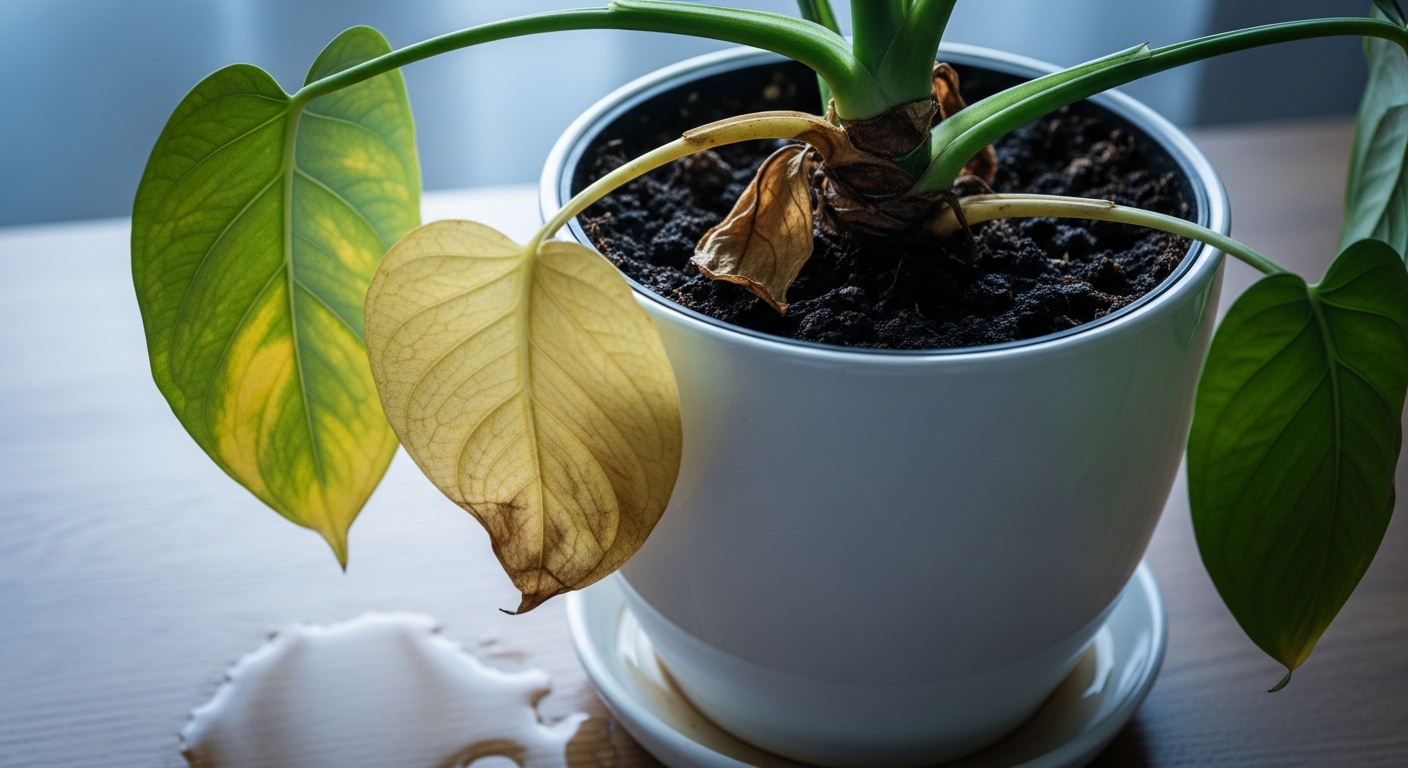
- Look for visual cues: drooping can mean underwatering, yellowing lower leaves often signals overwatering.
Drooping + dry soil: Underwater — water thoroughly and the plant should recover within a few hours.
Drooping + wet soil: Likely overwatered — let the soil dry out completely before watering again and check roots for rot.
Yellow lower leaves + soggy soil: Classic overwatering sign — improve drainage and reduce watering frequency.
Crispy leaf tips + dry soil: Underwatering or low humidity — increase watering and consider misting or a pebble tray.
Once you stop watering by the calendar and start watering by observation, everything shifts. Your plants will tell you what they need — through their leaves, their soil, and their roots — if you know what to look for. Start with the finger test, adjust for the season, and give every plant the drainage it deserves. It's a small habit change that tends to make an enormous difference in the long run.


Comments
Post a Comment