Best Grow Lights for Indoor Plants: A Complete Guide
If your houseplants are stretching toward the window, dropping leaves, or simply refusing to thrive no matter what you do, the problem is almost always light. Choosing the best grow lights for indoor plants can feel overwhelming — LED vs fluorescent, full spectrum vs targeted wavelengths, watts vs lumens. But once you understand what your plants are actually asking for, the decision becomes much simpler. This guide breaks down everything you need to know to give your indoor garden the light it deserves.
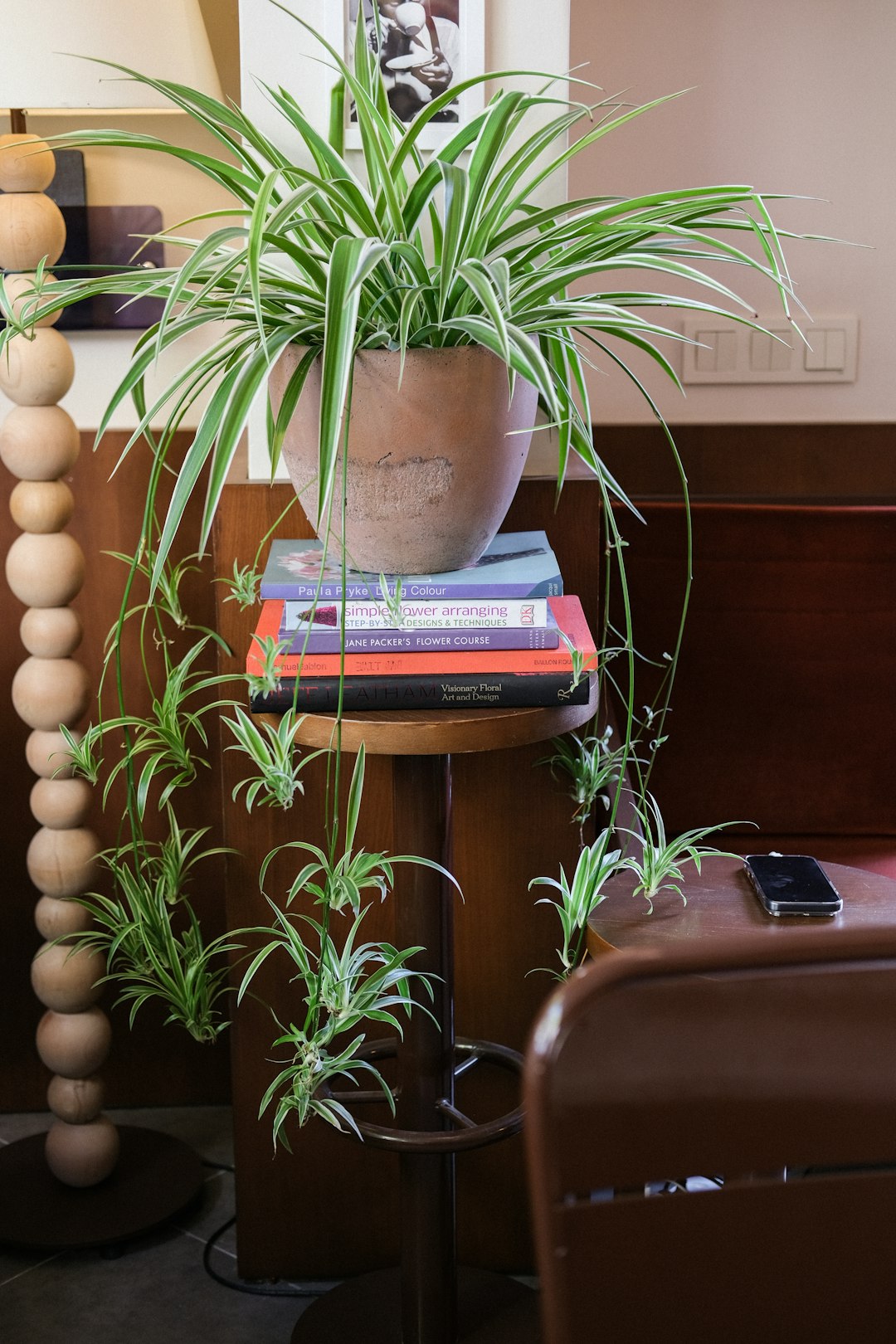
Understanding Your Plant's Light Environment
Before you buy a single bulb, it helps to understand what light actually does for a plant. Photosynthesis relies on specific wavelengths of light — primarily in the red range (around 630–660nm) for flowering and root development, and the blue range (around 400–450nm) for compact, leafy vegetative growth. Most houseplants need a balance of both, which is why "full spectrum" grow lights have become the go-to recommendation for indoor growers.
Natural sunlight delivers all of these wavelengths simultaneously, but in a low-light home — think north-facing windows, basement apartments, or heavily shaded rooms — your plants may be receiving only a fraction of what they need. A quality grow light bridges that gap, mimicking the spectral output of the sun in a controlled, consistent way.
Pay attention to how your plants are behaving right now. Leggy stems, pale or yellowing leaves, and slow growth are all visual signals that light is the limiting factor — not water, not fertilizer.
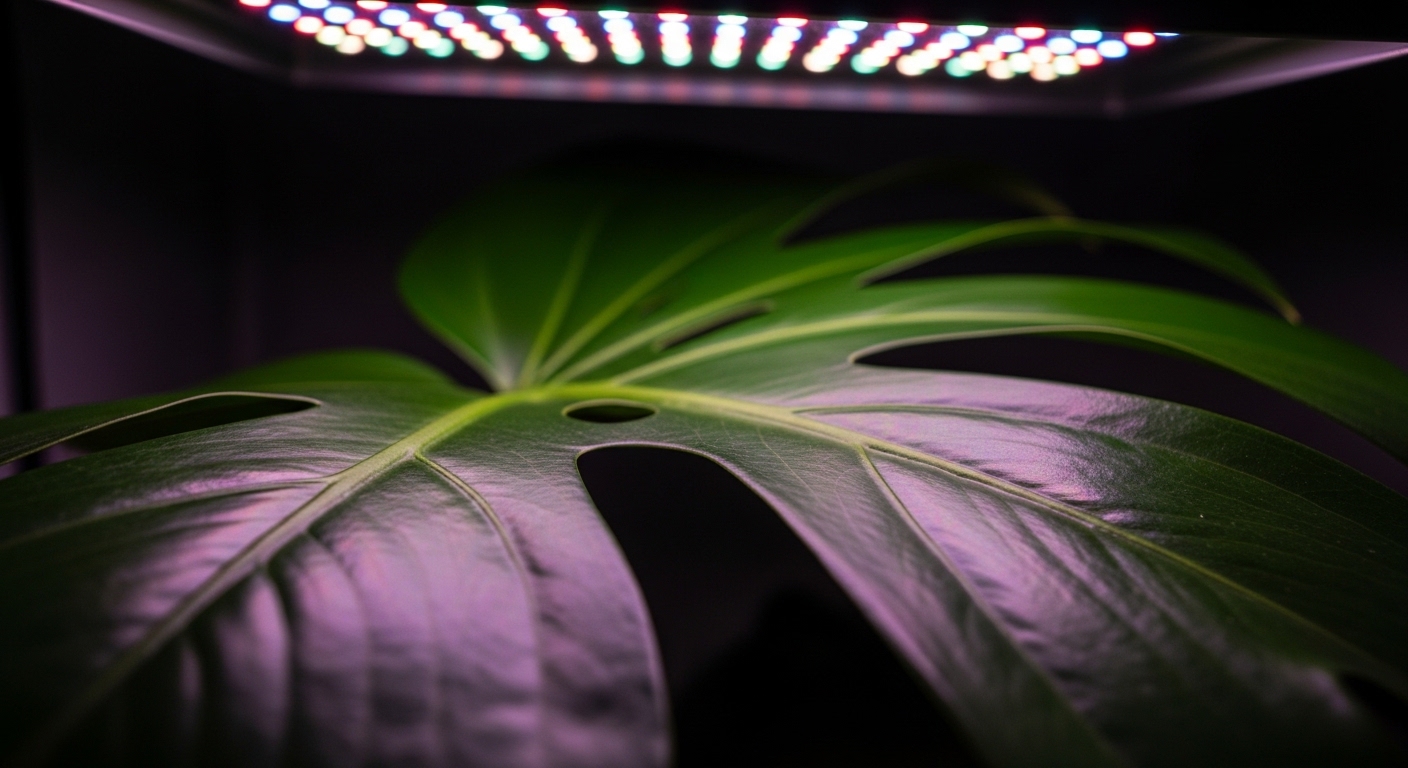
LED vs Fluorescent Grow Lights: Which Should You Choose?
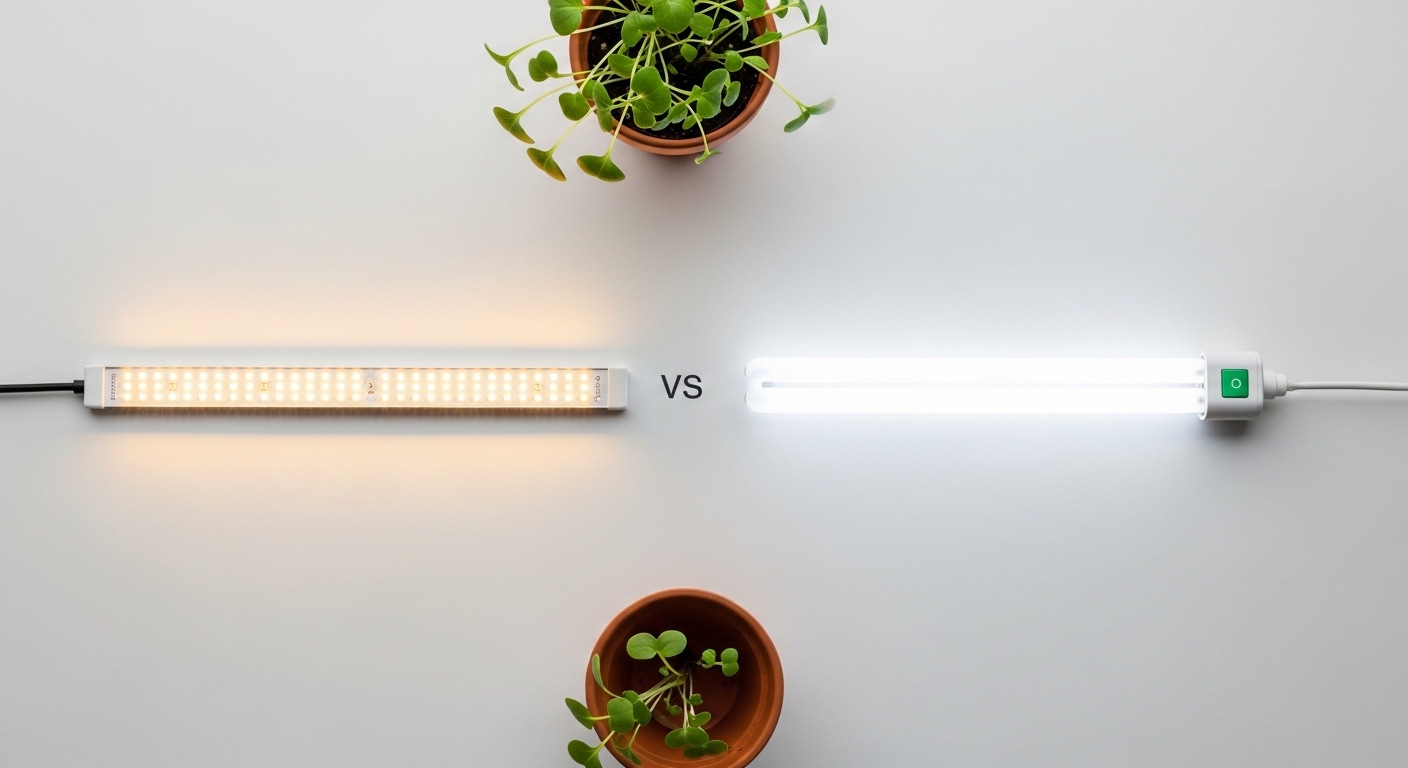
This is the question most beginners ask first, and the honest answer is that both can work well — but LED grow lights have become the clear favourite for most indoor plant setups, and for good reason.
LED grow lights run cooler, use significantly less electricity, and tend to last far longer than fluorescent alternatives. Modern full-spectrum LEDs cover the complete wavelength range your plants need, and many panels now include adjustable intensity settings. They are particularly well-suited to shelving setups, grow tents, and apartment spaces where heat management matters.
Fluorescent lights — especially T5 high-output tubes — remain a solid, budget-friendly option for seedlings, herbs, and low-light tolerant houseplants. They emit a cool, even light that works well for wide, flat growing areas. However, they generate more heat, consume more power over time, and typically need replacing more frequently than LEDs.
- LED panels: Best for long-term setups, energy efficiency, and plants with higher light demands such as succulents, herbs, and tropical foliage plants.
- LED grow bulbs (screw-in): Ideal for single plants or small collections — simply swap into an existing lamp fixture.
- T5 fluorescent tubes: A reliable choice for seedling trays, propagation stations, and herb gardens on a budget.
- CFL (compact fluorescent): Adequate for very low-light plants like pothos or ZZ plants, though generally less efficient than modern LEDs.
Many growers find that switching to a quality full-spectrum LED panel can visibly improve plant growth within just a few weeks — particularly for tropical houseplants that crave consistent, bright indirect light year-round.
Light Spectrum Explained: What Your Plants Actually Need
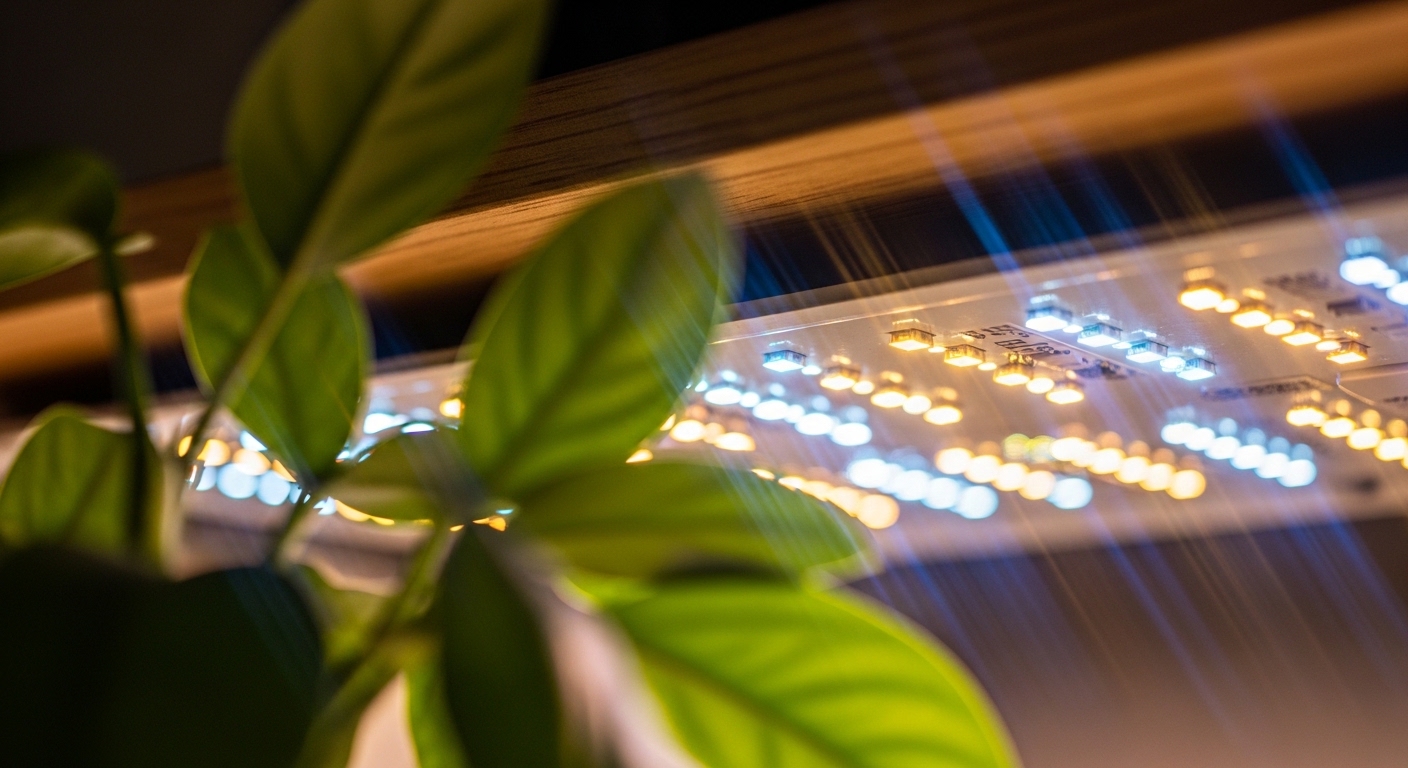
The color temperature of a grow light — measured in Kelvin (K) — tells you a lot about the kind of growth it will support. A light in the 5000K–6500K range produces a cool, bluish-white output that closely mimics daylight and promotes strong, compact vegetative growth. This is the sweet spot for most leafy houseplants, herbs, and seedlings.
Lights in the 2700K–3000K range lean warmer and redder, which can support flowering and fruiting in plants like tomatoes, peppers, or orchids. Many full-spectrum LED panels combine both ranges in a single unit, making them versatile enough for mixed plant collections.
You may also encounter grow lights with a pink or purple hue — these are "blurple" lights that combine red and blue diodes specifically. While they can be effective, many indoor plant enthusiasts prefer white full-spectrum LEDs because they are easier to work under and make it simpler to spot early signs of plant stress like yellowing or pest damage.
- 5000K–6500K (cool white/daylight): Ideal for foliage growth, seedlings, and most tropical houseplants.
- 2700K–3000K (warm white): Better suited to flowering and fruiting plants.
- Full spectrum (combined): The most versatile option for mixed indoor plant collections.
- Blurple (red + blue diodes): Effective but harder to work under; less popular for home setups.
Hours of Exposure, Placement, and Distance
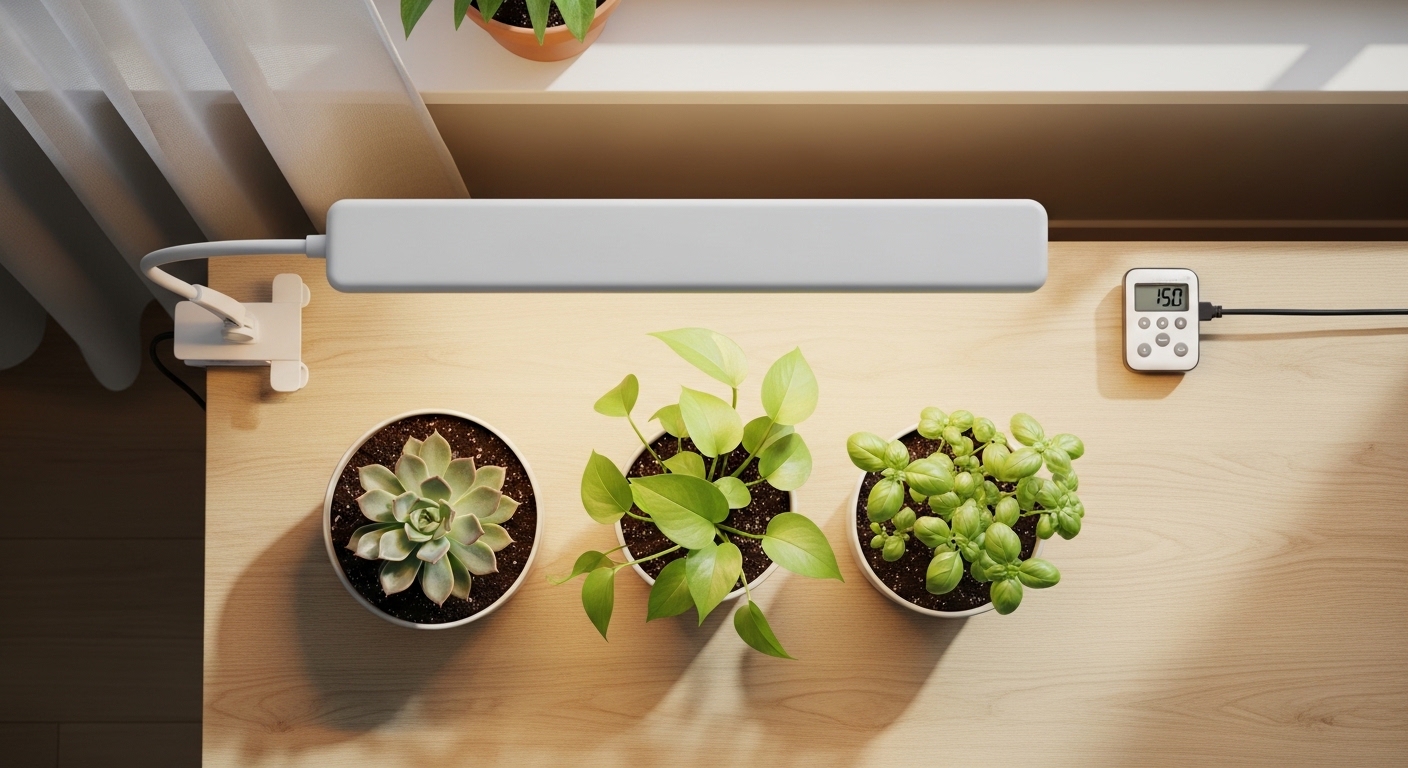
Even the best grow light will underperform if it is placed too far away or left on for the wrong number of hours. Most houseplants thrive with 12–16 hours of supplemental light per day, though low-light tolerant plants like pothos or snake plants may do well with as few as 10 hours. Using a simple plug-in timer is one of the most practical investments you can make — it ensures consistency without requiring you to remember to switch the light on and off each day.
Distance matters enormously. As a general starting point, most LED grow lights perform best when positioned 20–40 cm above the plant canopy for medium-light plants, and 10–20 cm for high-light plants like succulents or herbs. Always check the manufacturer's recommended distance for your specific unit, and watch your plants for signs of light stress: bleached or crispy leaf tips suggest the light is too close, while continued leggy growth suggests it needs to move closer.
For placement in low-light homes, prioritize rooms where the light can supplement — not fully replace — whatever natural light exists. A grow light positioned directly above a plant on a shelf or in a corner will always outperform one placed to the side, since most plants grow upward toward their light source.
- Low-light plants (pothos, ZZ, peace lily): 10–12 hours daily, light positioned 30–50 cm above.
- Medium-light plants (monstera, ferns, calathea): 12–14 hours daily, light positioned 20–35 cm above.
- High-light plants (succulents, herbs, orchids): 14–16 hours daily, light positioned 10–20 cm above.
Common Grow Light Mistakes to Avoid
Many indoor gardeners invest in a grow light and still see disappointing results — usually because of a handful of very common and very fixable mistakes. Getting these right can make the difference between a plant that merely survives and one that genuinely thrives.
- Leaving the light on 24 hours: Plants need a dark period for respiration and rest. Running grow lights continuously can stress most houseplants and disrupt their natural growth cycles. Stick to a consistent on/off schedule using a timer.
- Placing the light too far away: Light intensity drops off rapidly with distance. A light that seems bright to your eyes may be delivering far less usable energy to your plant than you think. Start closer and adjust based on plant response.
- Using the wrong spectrum for the plant type: A warm 2700K bulb may not deliver enough blue-spectrum light for compact vegetative growth in foliage plants. Match your light spectrum to your plant's growth stage and type.
- Ignoring heat output: Even LEDs produce some heat at close range. Check leaf surfaces regularly — if leaves directly under the light feel noticeably warm to the touch, raise the fixture.
- Not rotating plants: Plants naturally lean toward their light source. Rotating pots a quarter turn every week or two encourages more even, balanced growth.
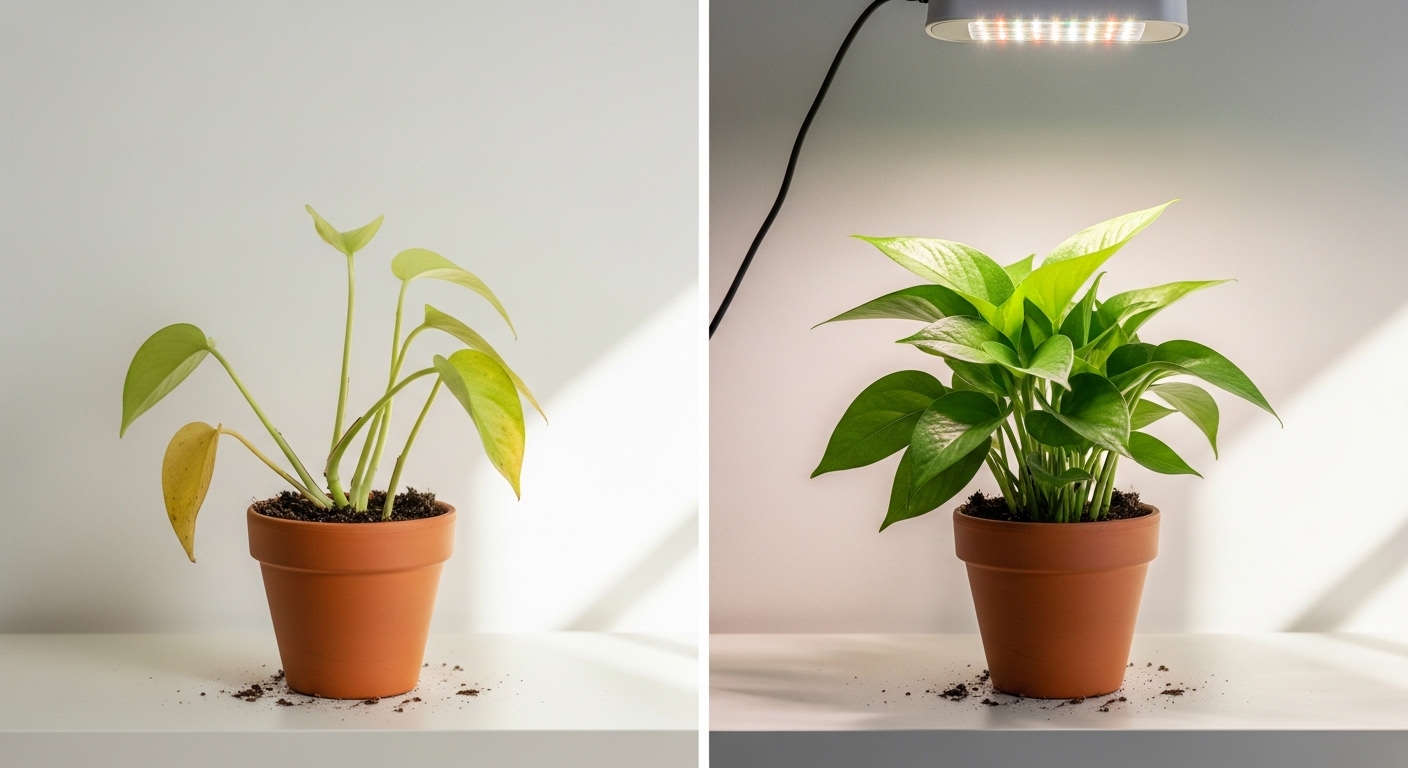
Symptom: Bleached, washed-out leaf color directly under the light → Fix: Raise the grow light 10–15 cm higher and reduce daily hours by 1–2 hours.
Symptom: Continued leggy, stretched growth despite the grow light being on → Fix: Lower the light closer to the canopy and increase daily exposure by 2 hours.
Quick Grow Light Care Checklist
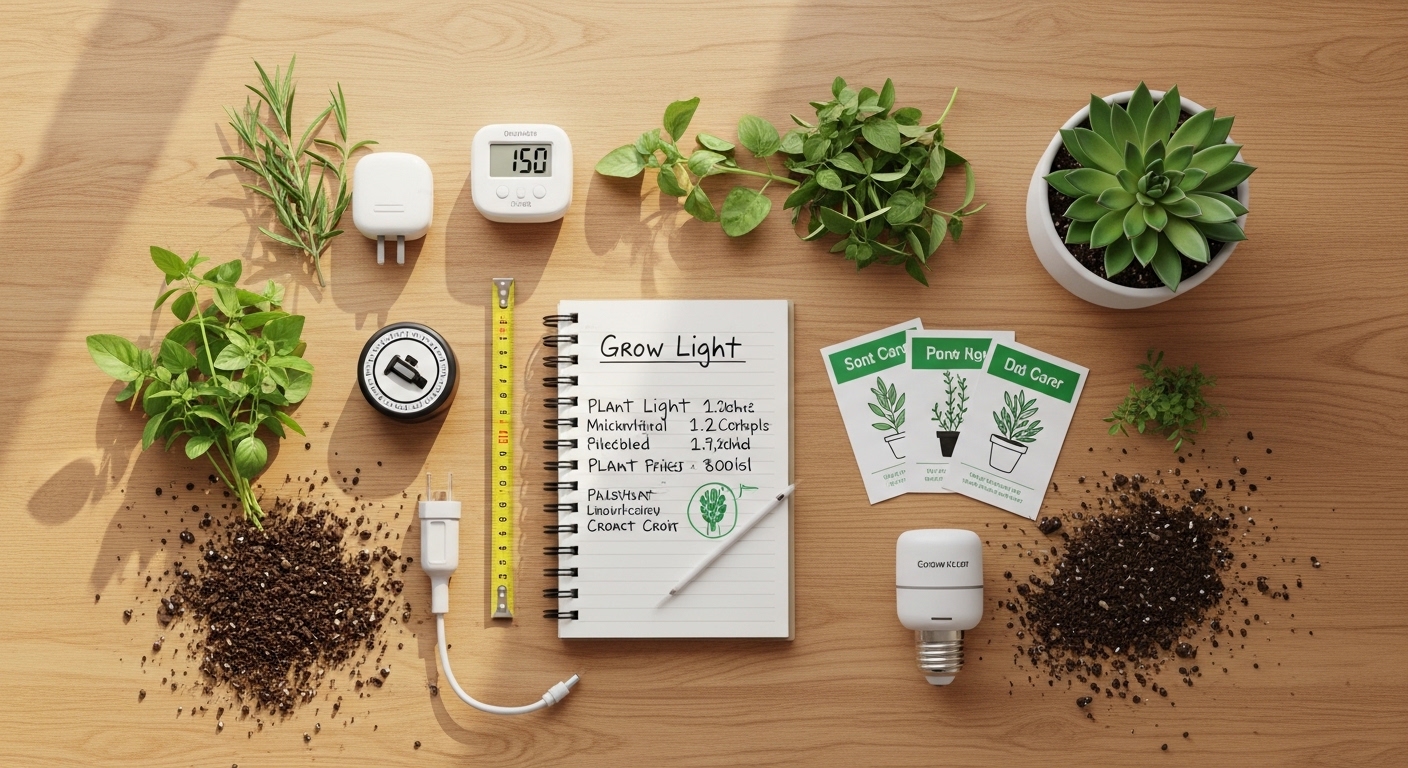
Use this checklist to set up and maintain your grow light system with confidence. Whether you are just starting out or troubleshooting an existing setup, these steps cover the essentials.
- Identify your plant's light category (low, medium, or high light) before choosing a fixture.
- Select a full-spectrum LED grow light rated for the size of your growing area.
- Position the light directly above the plant canopy at the manufacturer's recommended distance.
- Set a plug-in timer for 10–16 hours of light per day depending on plant type.
- Check for signs of light stress (bleaching or continued legginess) after the first two weeks and adjust height accordingly.
- Rotate pots a quarter turn every 7–10 days for even growth.
- Clean the light fixture with a dry cloth every 4–6 weeks to maintain full output efficiency.
- Follow manufacturer instructions for electrical installation; consult a licensed electrician if hardwiring or mounting requires it.
The right grow light genuinely transforms what is possible in a low-light home. Once your plants start receiving consistent, quality light — the right spectrum, the right duration, at the right distance — you will notice the difference within weeks. Deeper color, more compact growth, new leaves unfurling with energy. Your indoor garden does not need a south-facing window to flourish. It just needs the right light.


Comments
Post a Comment