How to Clean Dusty Plant Leaves (The Right Way)
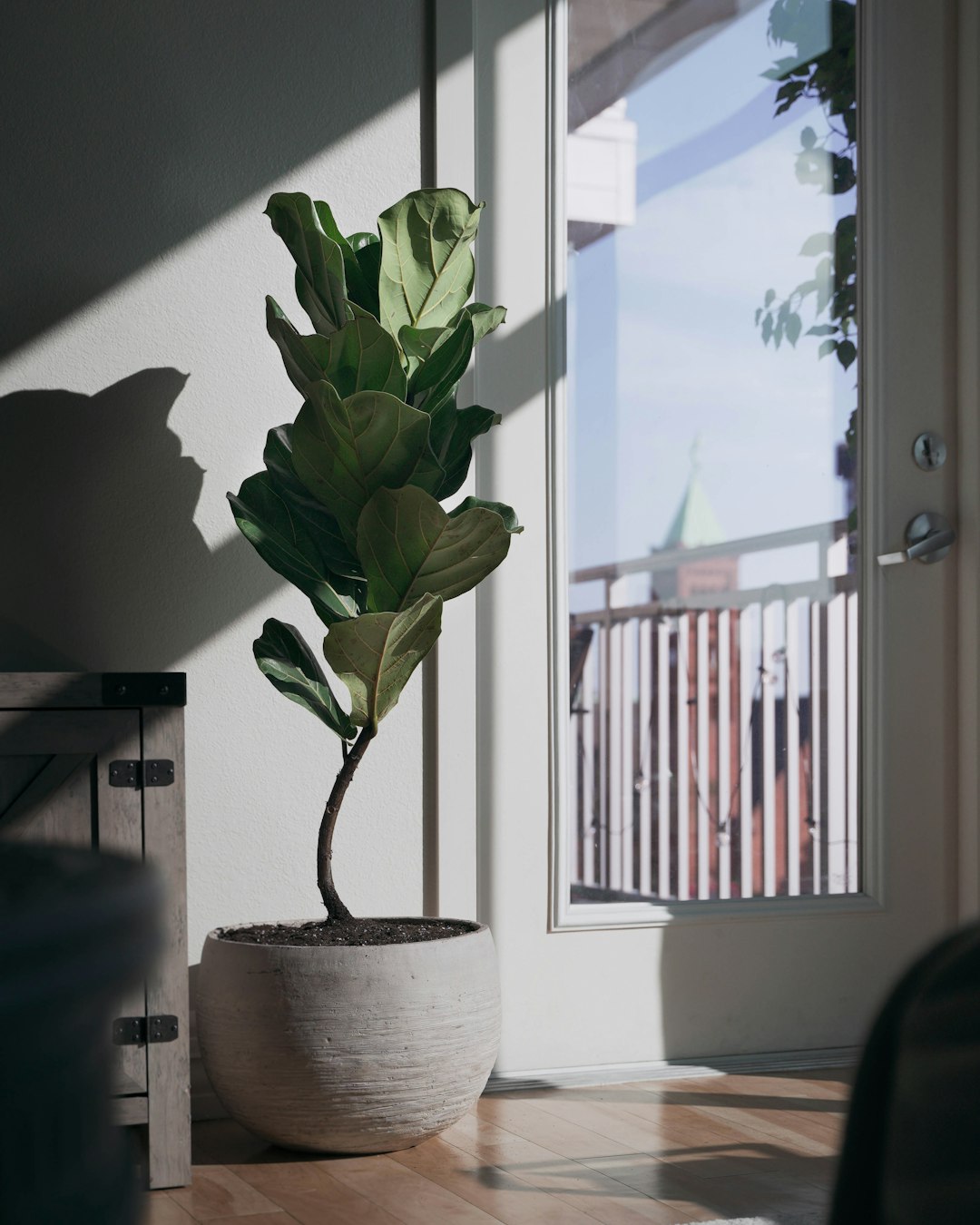
If your houseplants look a little dull lately, dusty leaves might be the quiet culprit. A thin layer of dust on leaf surfaces can block light absorption and slow photosynthesis — meaning your plant is working harder for less energy. Learning how to clean houseplant leaves is one of the simplest, most impactful things you can do for your indoor garden. Whether you have a glossy fiddle-leaf fig or a fuzzy African violet, the right technique makes all the difference.
Understanding Your Plant's Environment
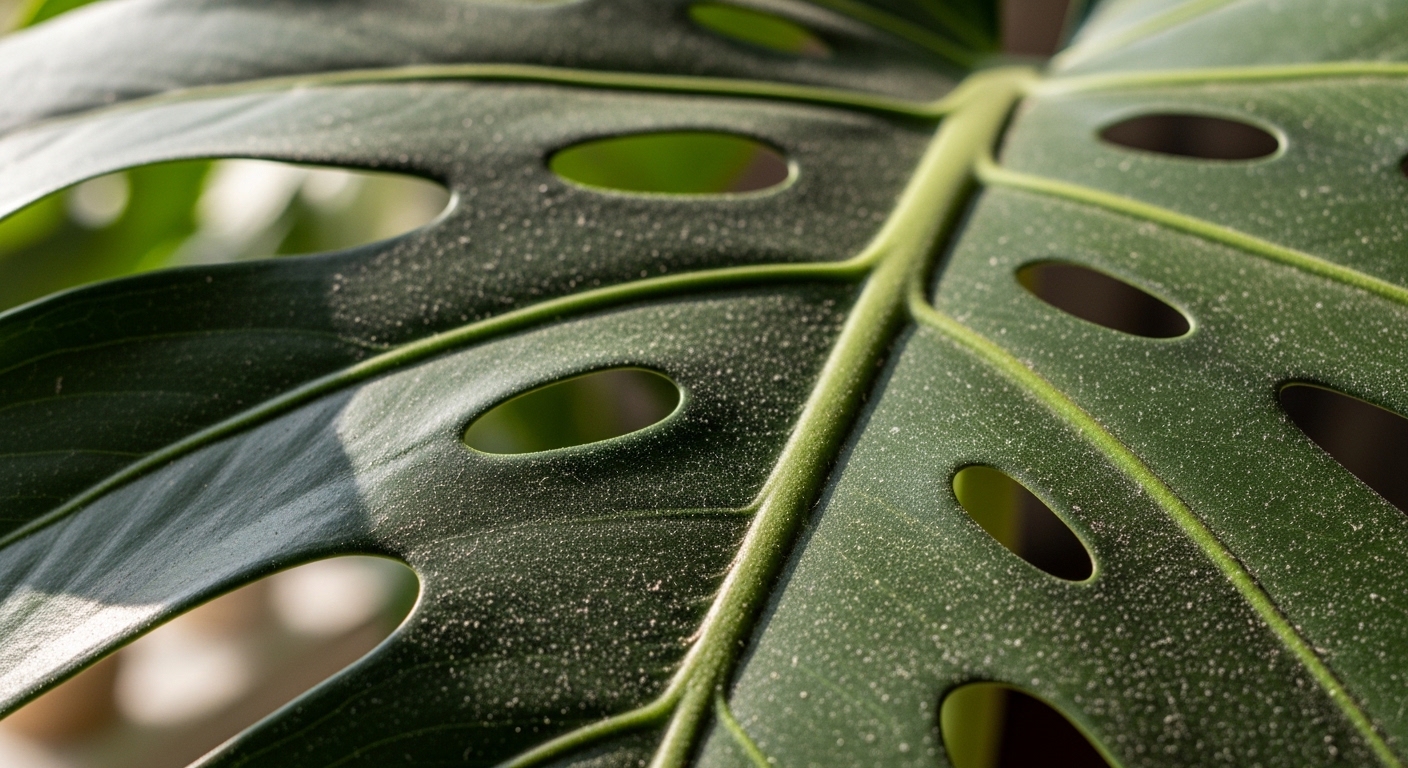
Dust accumulates on houseplant leaves just as it does on furniture — through air circulation, open windows, and everyday indoor activity. Unlike outdoor plants that get rinsed by rain, indoor plants have no natural cleaning mechanism. Over time, this dust layer acts like a filter, reducing the amount of light that reaches the chlorophyll-packed cells inside the leaf.
The stomata — tiny pores on leaf surfaces — can also become partially blocked by dust and grime, which may affect the plant's ability to exchange gases efficiently. While a single dusty week won't cause serious harm, months of neglect can visibly slow growth and dull the natural vibrancy of your plant's foliage. Think of leaf cleaning as part of your regular plant maintenance rhythm, not an occasional afterthought.
The indoor environment also plays a role in how quickly dust builds up. Homes with forced-air heating, open windows near busy streets, or low humidity tend to accumulate dust faster. Positioning plants away from high-traffic airflow zones can help slow the buildup between cleanings.
Watering the Right Way Around Leaf Cleaning
Before you reach for a cloth, timing matters. Many growers find it helpful to clean leaves on the same day they plan to water, so any moisture that drips down into the soil is accounted for. Avoid cleaning leaves in direct harsh sunlight — water droplets left on foliage can act as a lens and may cause minor leaf scorch, particularly on plants sitting in a south-facing window.
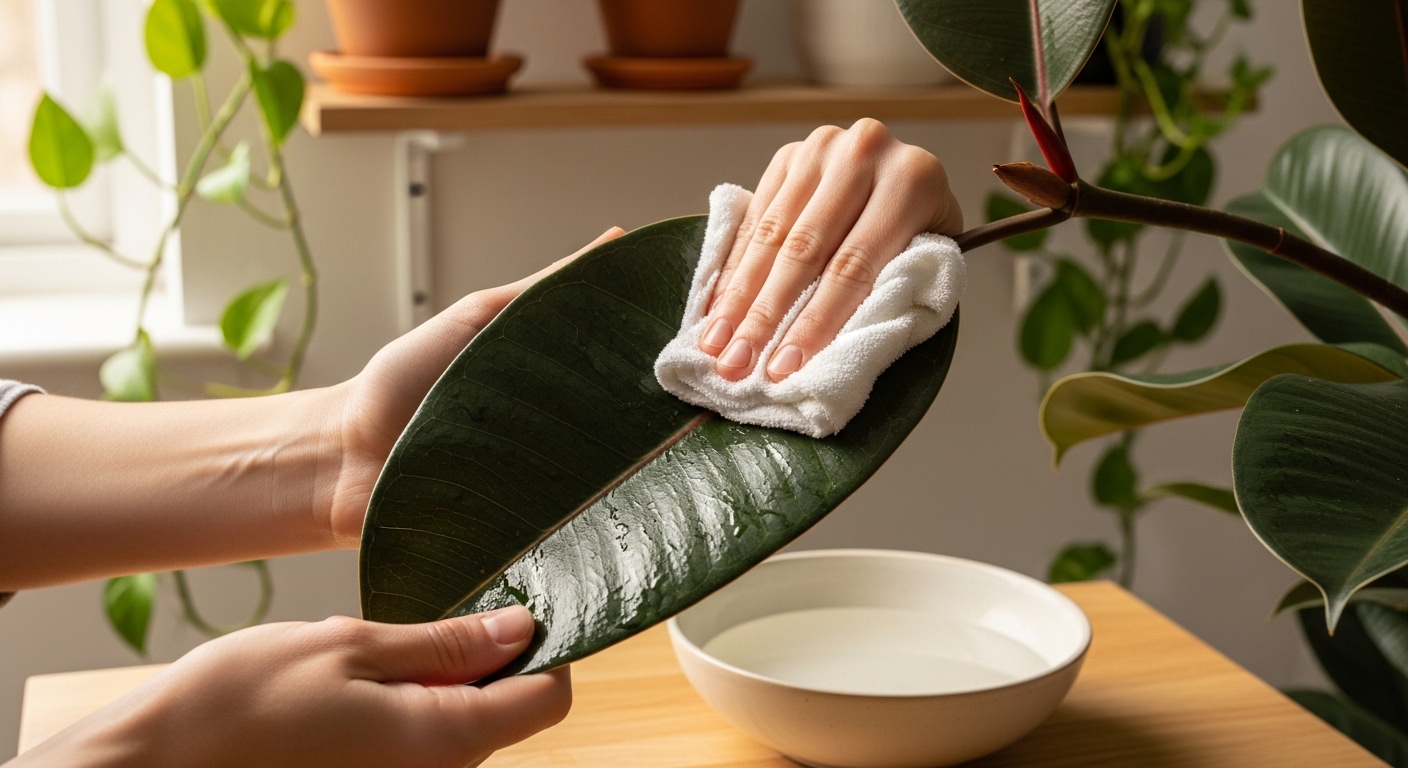
For most smooth-leaved plants, lukewarm water is the ideal cleaning agent. Cold water can cause stress spots on tropical species like calatheas and marantas, which are sensitive to temperature fluctuations. Fill a small bowl with room-temperature water and use it to dampen your cleaning cloth before wiping each leaf individually.
After cleaning, allow leaves to air dry in a spot with good indirect light and gentle air movement. Avoid leaving plants in a cold draught while their leaves are still wet, as this can stress the foliage unnecessarily.
Light Requirements and Why Clean Leaves Matter
Photosynthesis depends entirely on light reaching the chloroplasts inside leaf cells. When a dust layer sits on the upper surface of a leaf, it scatters and absorbs incoming light before it can penetrate the leaf tissue. For plants already growing in lower-light conditions — like a pothos on a north-facing windowsill — this reduction can be genuinely significant.
Cleaning leaves effectively increases the light available to your plant without moving it an inch closer to the window. Many growers notice a visible improvement in leaf color and new growth pace within a few weeks of establishing a regular cleaning routine. It is one of the most underrated care habits in indoor gardening.
Different leaf textures require different approaches to avoid damage while maximizing cleaning effectiveness:
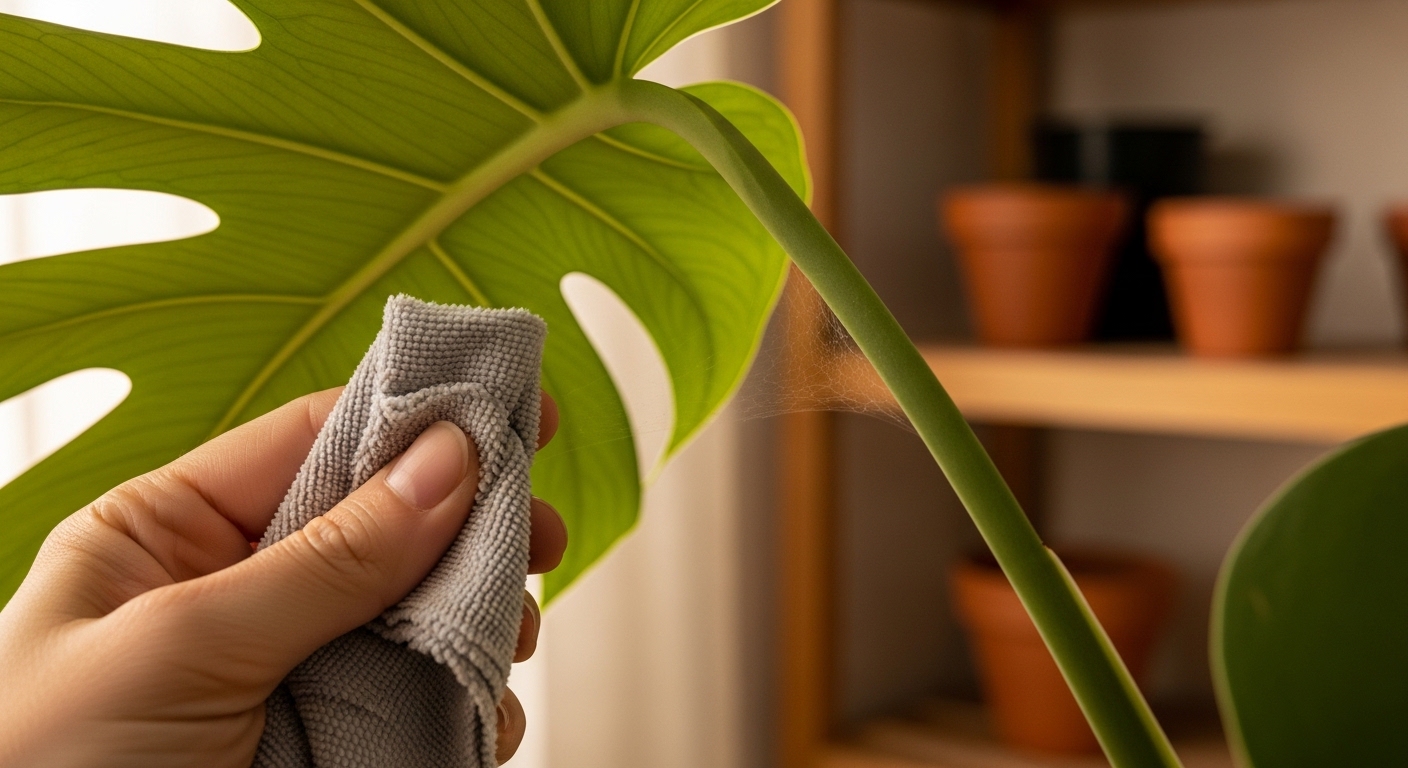
- Smooth, glossy leaves (rubber plant, monstera, pothos): wipe gently with a damp soft cloth, supporting the leaf from underneath.
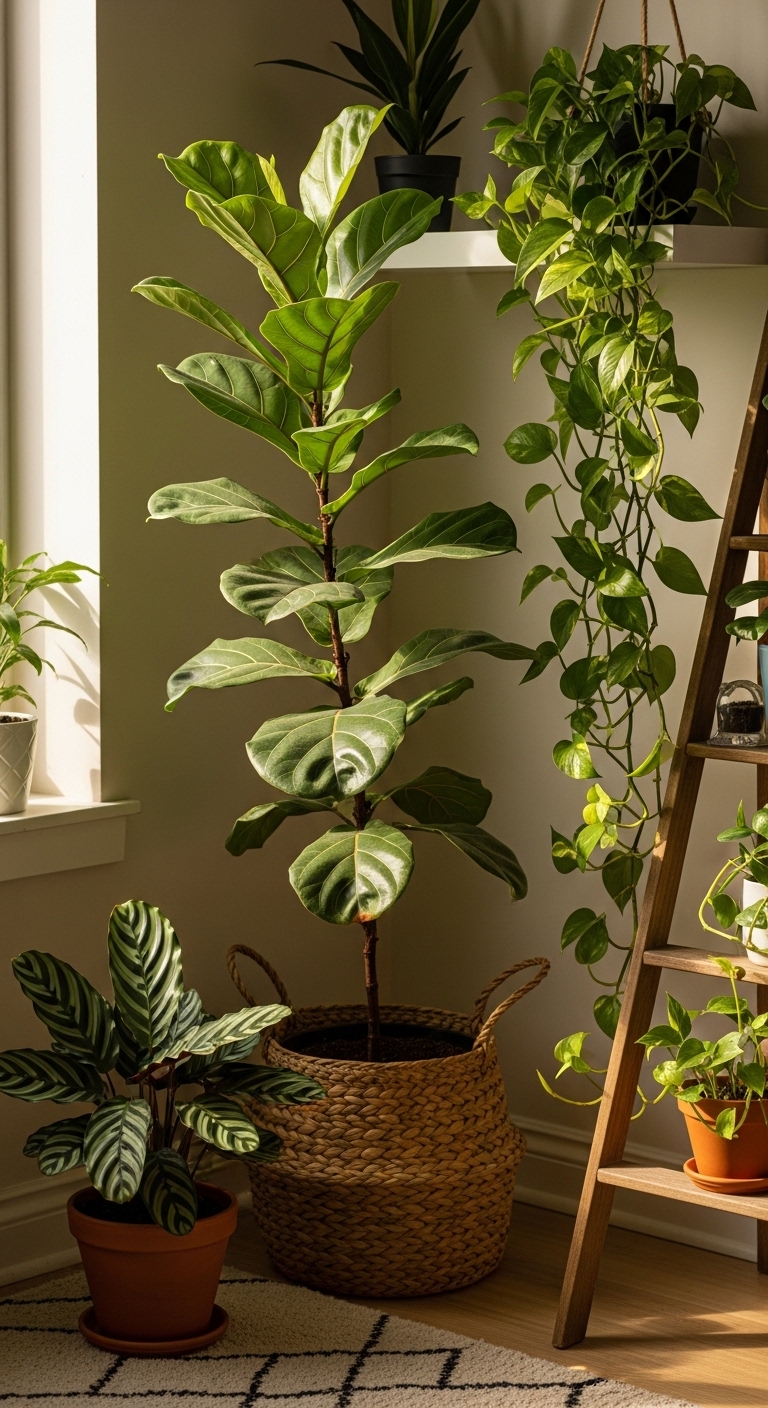
- Large, waxy leaves (fiddle-leaf fig, bird of paradise): use a damp cloth with slow, single-direction strokes from stem to tip.
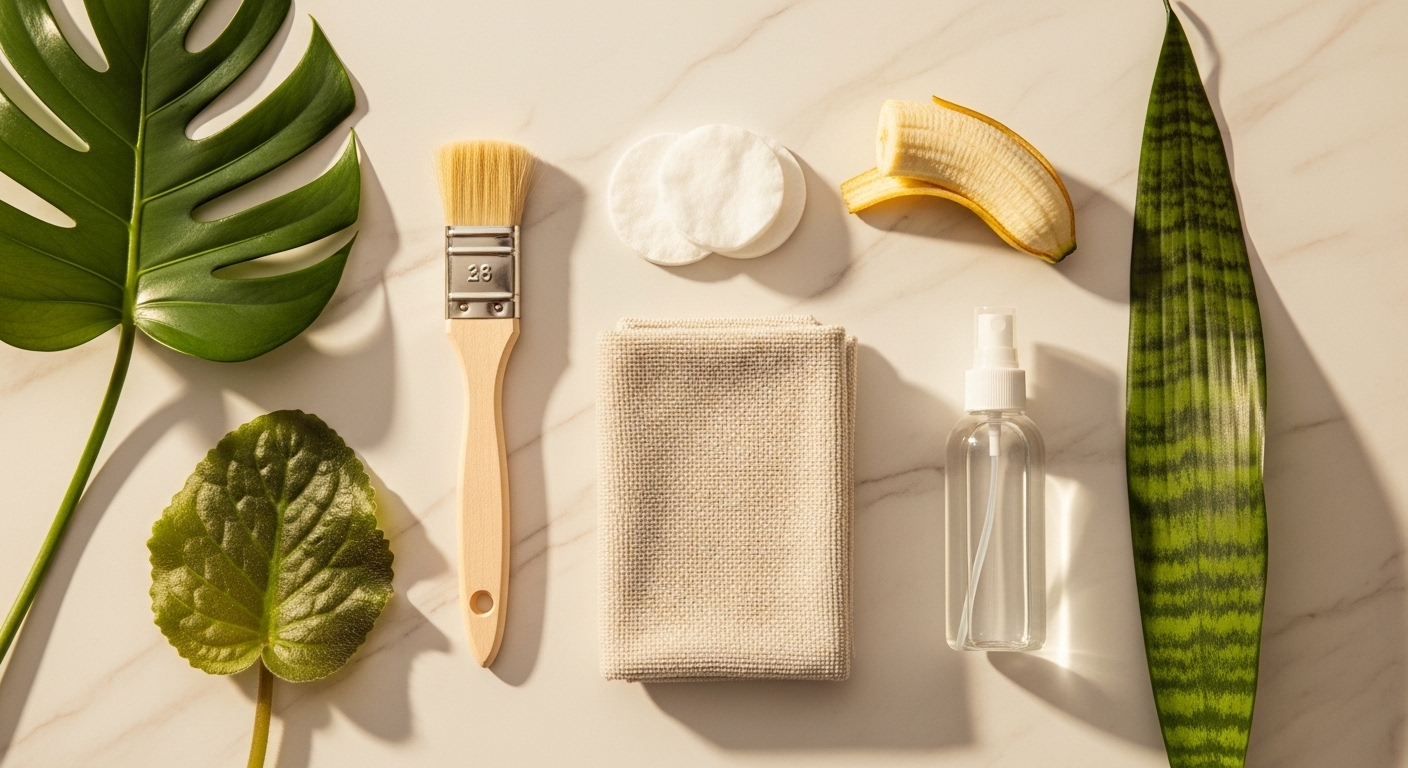
- Fuzzy or hairy leaves (African violet, begonia, kalanchoe): never use a wet cloth — use a soft dry paintbrush or makeup brush to gently dust between the hairs.
- Delicate, thin leaves (maidenhair fern, nerve plant): mist lightly with room-temperature water and allow to air dry rather than wiping.
- Spiky or structured leaves (snake plant, aloe): wipe each leaf individually with a damp cloth, working from base to tip.
Humidity, Temperature & Soil: The Bigger Picture
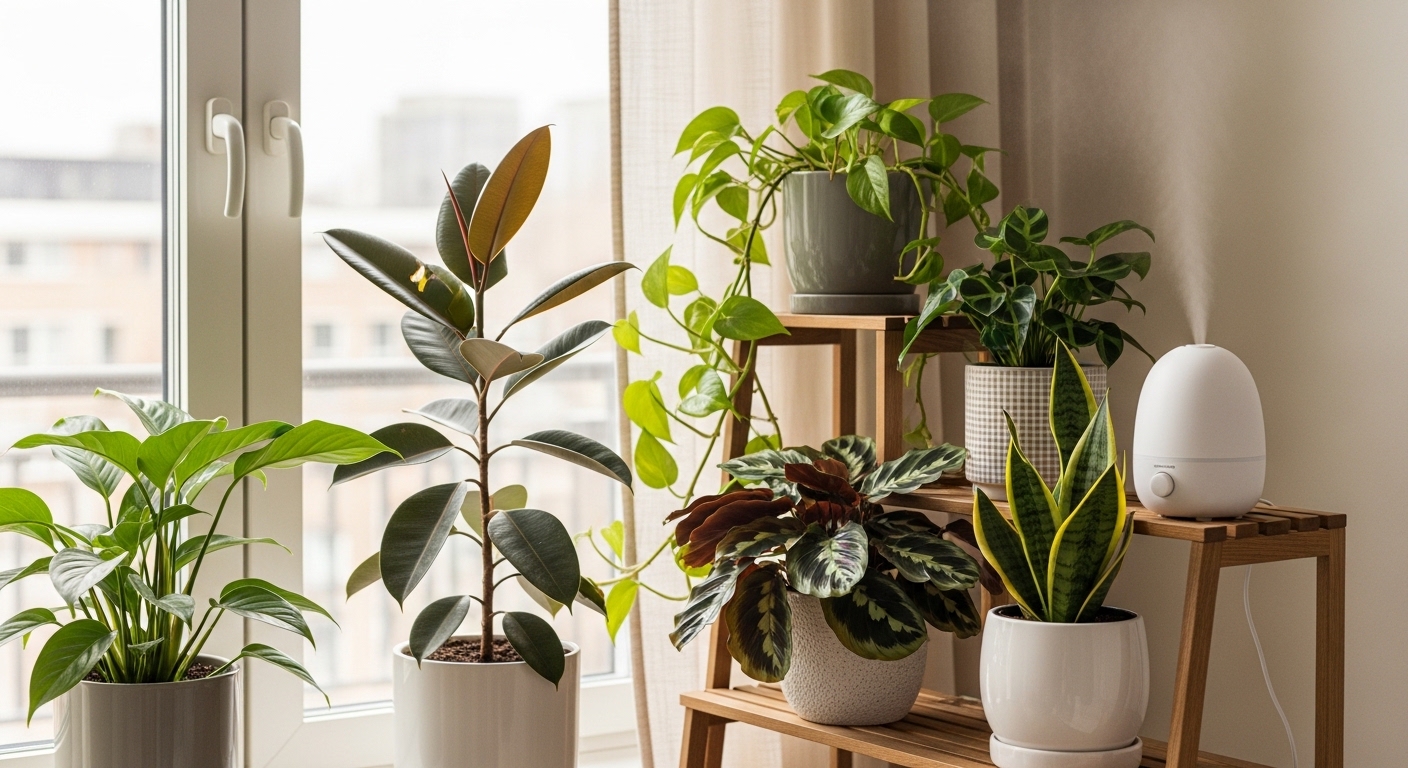
Leaf cleaning doesn't exist in isolation — it works best as part of a balanced care routine. Plants kept in the right humidity range (generally 40–60% for most tropical houseplants) tend to have more resilient leaf surfaces that resist dust adhesion slightly better than plants in very dry air. A pebble tray with water or a small humidifier near your plant cluster can help maintain ambient moisture without over-wetting the soil.
Temperature consistency also affects how your plant responds to cleaning. Avoid wiping leaves when the room is very cold, as wet foliage in a chilly environment can stress the plant. Most indoor plants prefer temperatures between 15°C and 27°C (59°F–80°F), and cleaning is best done when the room is comfortably warm.
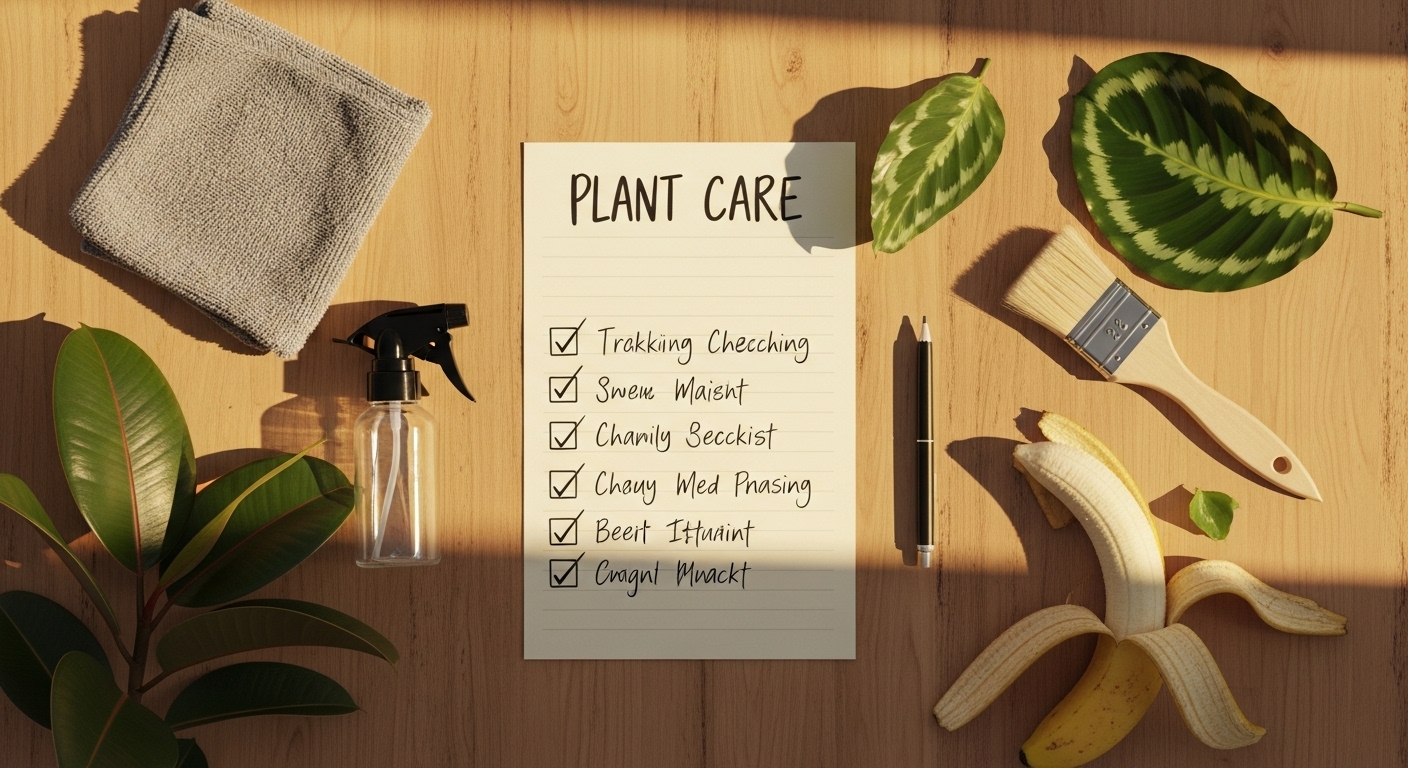
One popular leaf-shine alternative worth knowing about is the inside of a banana peel. Many growers find that gently rubbing the soft inner surface of a ripe banana peel across smooth leaves leaves a subtle natural sheen without any synthetic coating. Unlike commercial leaf-shine sprays — which can clog stomata over time — banana peel adds a tiny amount of natural oils and potassium without leaving a heavy residue. Use it sparingly, no more than once a month, and only on smooth-leaved species.
The best leaf-shine is a clean, healthy leaf. Skip the synthetic sprays and let your plant's natural waxy coating do its job — a damp cloth is all you really need.
Common Indoor Care Mistakes When Cleaning Leaves
- Using commercial leaf-shine sprays too frequently. These products often contain mineral oils or silicones that can build up on leaf surfaces and block stomata over time. If you enjoy a glossy finish, a damp cloth achieves a similar result without the residue.
- Wiping fuzzy leaves with a wet cloth. Moisture trapped between leaf hairs creates the perfect environment for fungal issues. Always use a dry brush on hairy-leaved plants like African violets and begonias.
- Cleaning leaves in direct sunlight. Water droplets on leaf surfaces in strong direct sun can concentrate light and cause small burn spots, particularly on thin-leaved tropicals.
- Using cold tap water directly from the faucet. Cold water can cause temperature shock spots on sensitive species. Let water sit at room temperature for at least 30 minutes before using it for leaf cleaning.
- Skipping the underside of leaves. Pests like spider mites, mealybugs, and scale insects often colonize the undersides of leaves first. Wiping both surfaces regularly is one of the best early-detection habits you can build.
- Cleaning too aggressively. Pressing too hard or scrubbing leaves can damage the waxy cuticle layer that protects the leaf surface. Always use gentle, single-direction strokes and support the leaf from underneath.
Quick Leaf Cleaning Checklist
Use this checklist to build a consistent leaf-cleaning habit that fits naturally into your existing plant care routine.
- Check leaf surfaces for dust buildup every 2–4 weeks, depending on your home environment.
- Prepare a bowl of room-temperature water and a clean soft cloth or microfibre pad before starting.
- For smooth-leaved plants, wipe upper and lower leaf surfaces with gentle single-direction strokes.
- For fuzzy-leaved plants, use a dry soft-bristle paintbrush to dust between the hairs — never wet.
- For delicate ferns and nerve plants, mist lightly and allow to air dry in indirect light.
- Check the undersides of leaves for early signs of pests while you clean.
- Allow leaves to dry fully before moving plants back into direct sun.
- Avoid commercial leaf-shine sprays as a regular habit — a clean damp cloth is sufficient for most plants.
- Consider a banana peel rub on smooth, glossy leaves once a month as a natural shine alternative.
Cleaning your plant's leaves is one of those small, meditative tasks that pays back far more than the effort it takes. A few minutes every few weeks can meaningfully improve light absorption, help you catch pest problems early, and keep your plants looking their vibrant best. Once it becomes part of your routine, you'll start to notice the difference — brighter leaves, stronger growth, and a collection that genuinely thrives rather than just survives.


Comments
Post a Comment