Indoor Plant Care in Winter: The Complete Guide
Every winter, countless houseplants silently suffer — not from the cold outside, but from the well-meaning habits we carry over from summer. Overwatering a dormant pothos, blasting a fiddle-leaf fig with dry heating air, or placing a tropical near a drafty window can undo months of healthy growth in just a few weeks. Indoor plant care in winter requires a genuine shift in routine, one that respects your plants' slower biological pace and the dramatically different conditions inside your home. The good news? Once you understand what your plants are actually experiencing, the adjustments are simple, logical, and deeply satisfying to make.
What's Happening in Your Garden Right Now
In winter, most houseplants enter a period of reduced metabolic activity — not true dormancy in the way outdoor perennials experience it, but a noticeable slowdown. Cell division slows, root uptake decreases, and photosynthesis drops significantly as day length shortens. Your tropical plants, which evolved near the equator where light is consistent year-round, are particularly sensitive to these shifts.
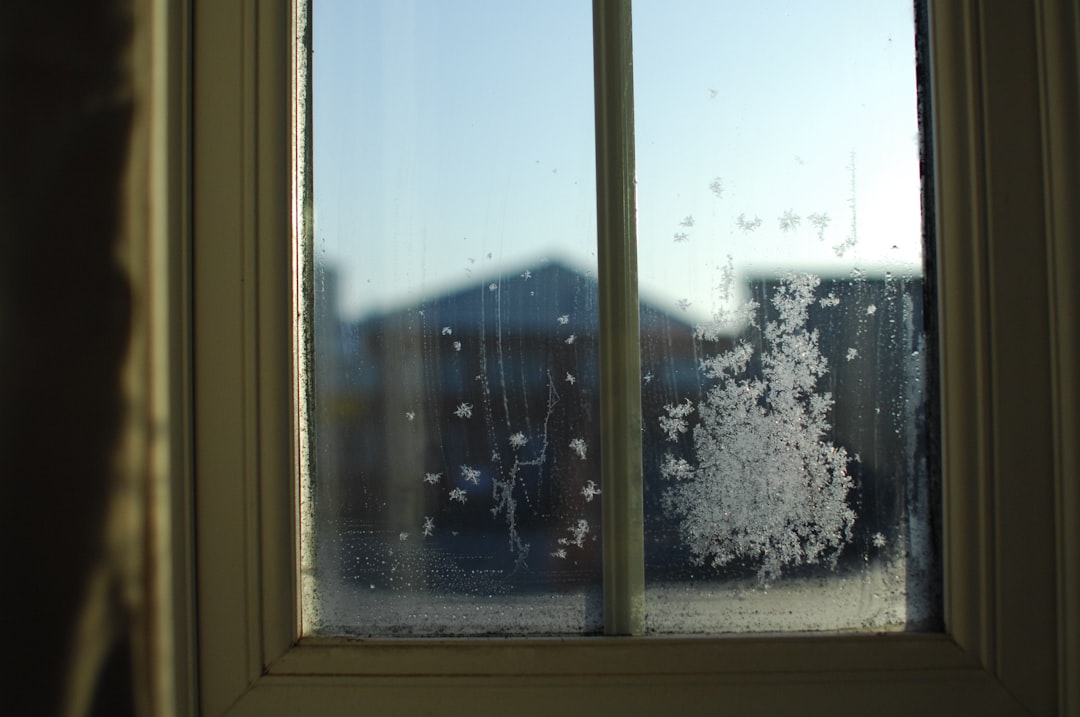
Inside your home, the challenges compound. Central heating systems reduce relative humidity, sometimes dropping it below 20% — far drier than the 50–60% most tropical houseplants prefer. Light levels near windows can fall by 50% or more compared to summer, even on sunny days. Cold air pooling near glass panes creates microclimates that can stress or damage foliage even when the room feels warm overall.
Understanding these invisible forces is the foundation of good winter plant care. Your plants aren't struggling because something is wrong with them — they're responding rationally to a changed environment.
Key Tasks for This Season
Winter plant care is largely about restraint — doing less of what you did in summer, and doing it more thoughtfully. Here are the core adjustments to make as temperatures drop:
- Reduce watering frequency immediately. With slower growth and lower light, your plants absorb water much more slowly. Water only when the top 2–3 cm of soil feels dry for most tropical houseplants, and allow the top half of the pot to dry out for succulents and cacti. Overwatering in winter is the single most common cause of root rot during this season.
- Pause or significantly reduce fertilizing. Feeding a plant that isn't actively growing pushes salts into the soil without benefit, potentially burning roots. Most growers find it best to stop fertilizing entirely from late autumn through late winter, resuming only when new growth appears in spring.
- Relocate plants away from cold drafts. Move pots at least 15–20 cm away from window glass, exterior walls, and any gaps around doors or window frames. Even a brief exposure to air below 10°C can cause cold shock in tropical species.
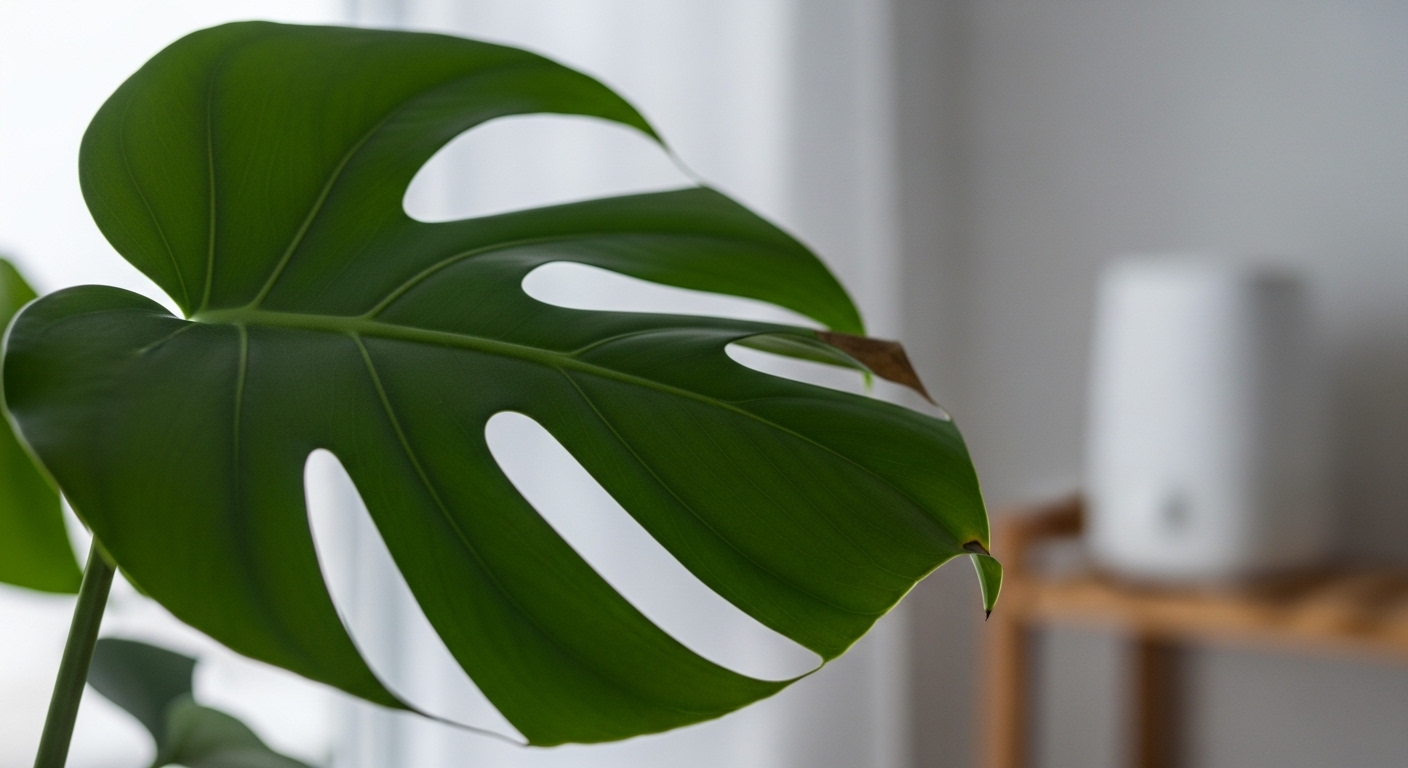
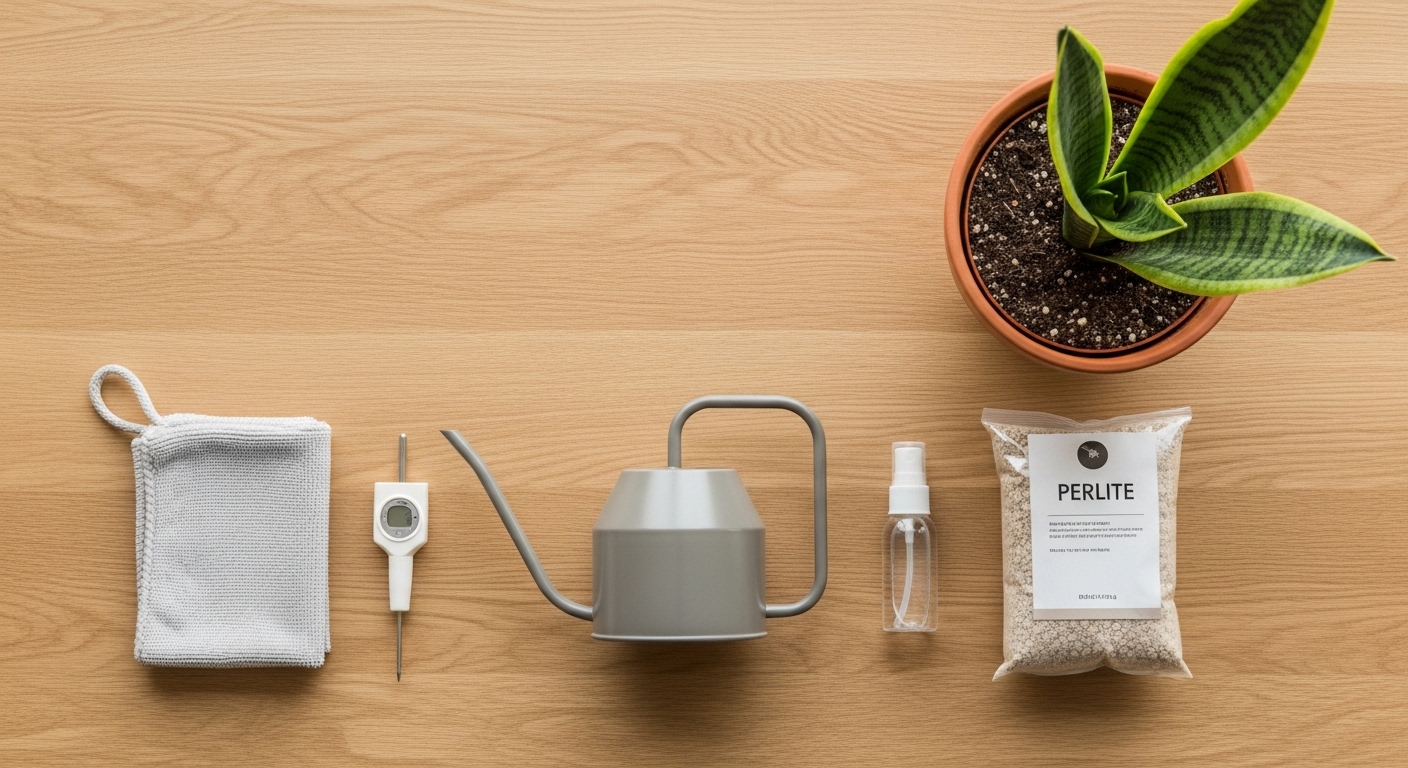
- Dust leaves regularly. A thin layer of dust on leaves meaningfully reduces the amount of light a plant can absorb. Wipe large leaves gently with a damp cloth every few weeks to keep photosynthesis as efficient as possible in low-light conditions.
- Check for pests more frequently. Dry indoor air and stressed plants create ideal conditions for spider mites and fungus gnats. Inspect the undersides of leaves and the soil surface weekly.
What to Plant (or Harvest)
Winter indoors isn't a time for planting out, but it's an excellent season for certain quiet, rewarding activities that set you up for a spectacular spring.
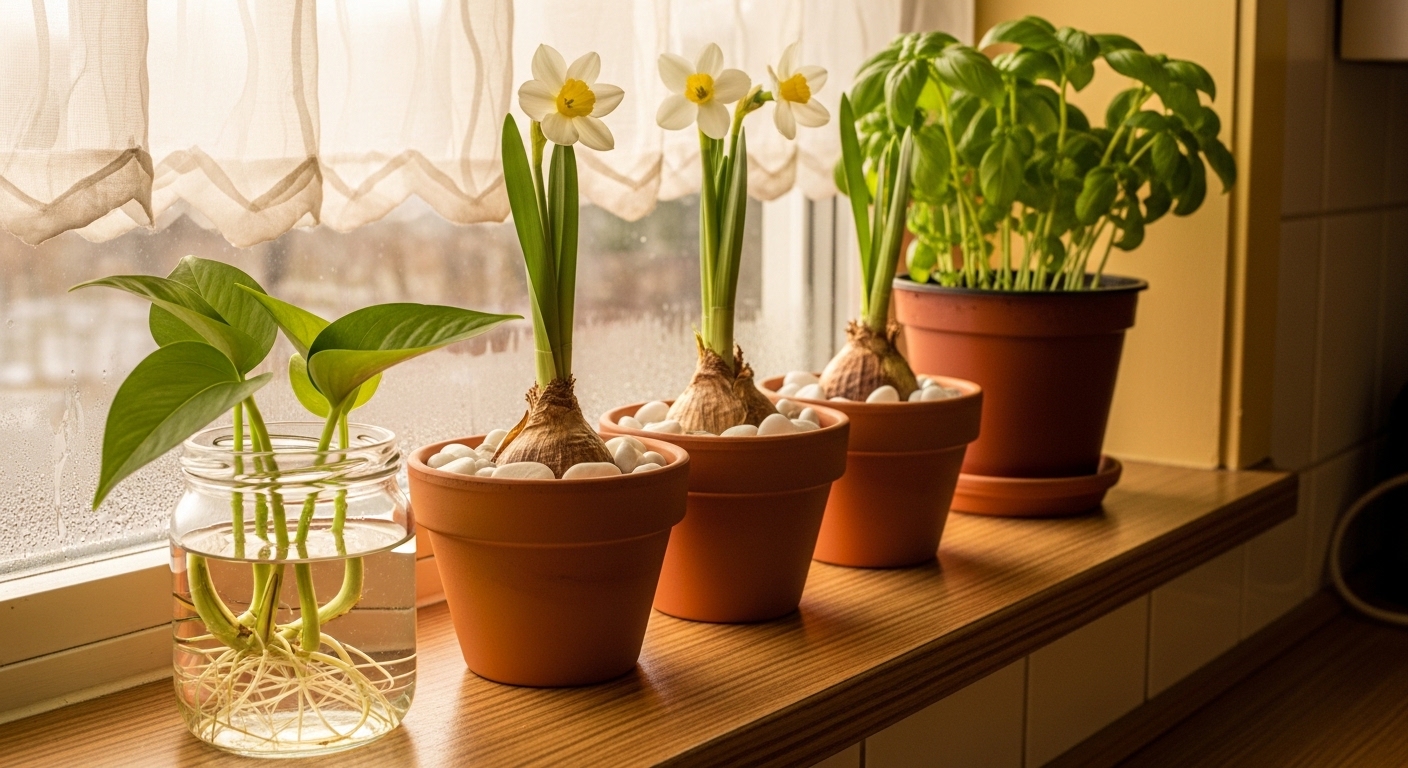
- Amaryllis bulbs — pot them up in early winter for dramatic blooms in 6–8 weeks, requiring minimal care and no natural light to initiate flowering.
- Paperwhite narcissus — force bulbs in pebbles and water for fragrant blooms within 4–6 weeks; no soil or cold period needed.
- Microgreens and herbs — a south- or west-facing windowsill can support basil, coriander, or radish microgreens with a basic grow light supplement if needed.
- Propagation cuttings — while rooting is slower in winter, many plants such as pothos, tradescantia, and spider plants will still root successfully in water on a warm, bright windowsill.
Winter is also an ideal time to harvest and dry any remaining herbs from a summer balcony garden, and to review which plants thrived versus struggled over the past year — information that will shape smarter choices come spring.
Protecting Plants from Seasonal Stress
The two biggest threats to houseplants in winter are dry air from heating systems and inconsistent temperatures near windows. Both are manageable once you know what to look for.
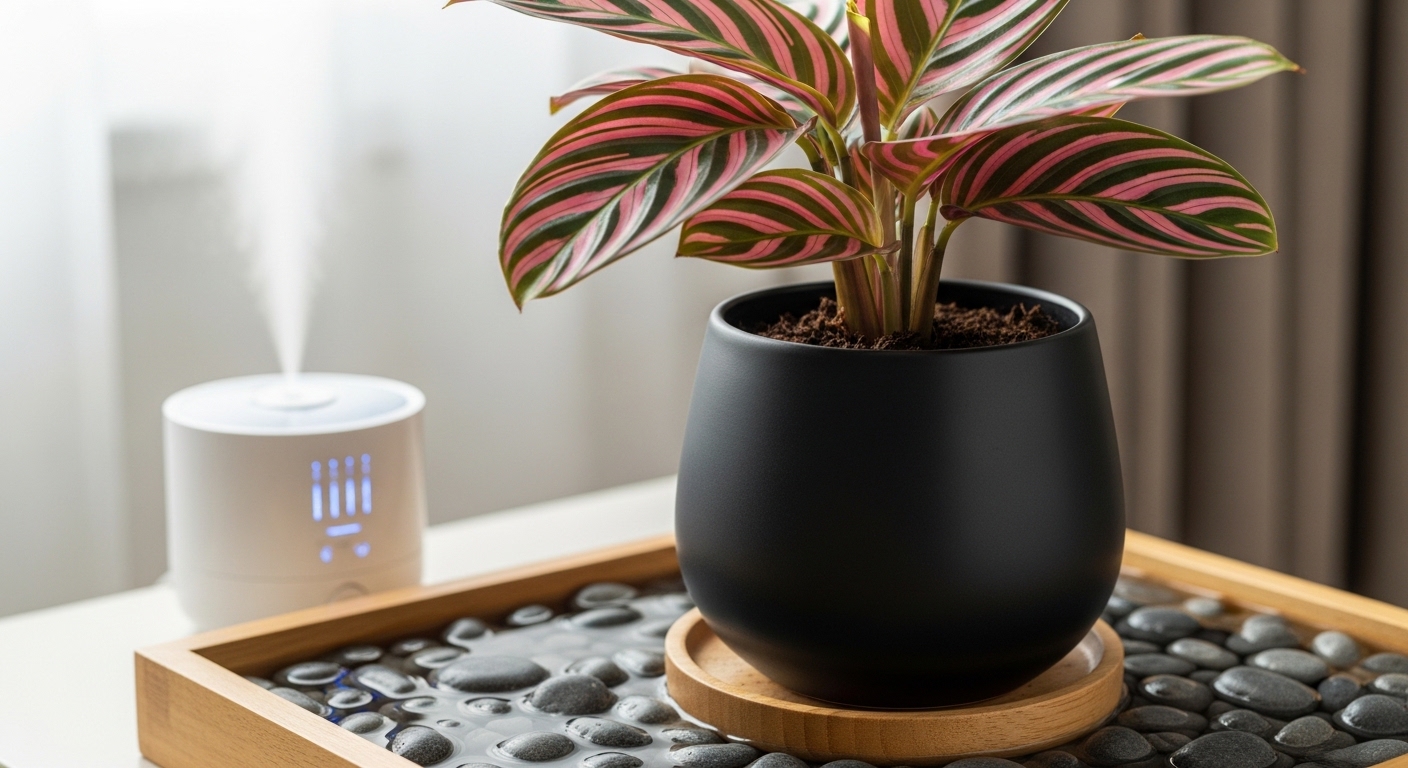
Combating low humidity: Central heating can drop indoor humidity to levels that cause leaf tip browning, curling, and increased susceptibility to spider mites. Grouping plants together naturally raises the local humidity around them through transpiration. A pebble tray filled with water placed beneath pots can also help — just ensure the pot itself sits above the waterline to prevent root rot. Many growers find that a small cool-mist humidifier placed nearby is the most reliable solution for humidity-sensitive species like calatheas, ferns, and orchids.
Managing temperature fluctuations: Most tropical houseplants prefer a stable range of 16–24°C. Temperatures below 10°C, even briefly, can cause cold shock. At night, window glass can drop significantly colder than the room air — move plants onto shelves or tables at least 20 cm from the glass before dark. Avoid placing plants directly above radiators or heating vents, as the rising hot, dry air causes rapid moisture loss from leaves.
A simple trick many experienced growers use: slide a piece of cardboard between the plant and the window glass on very cold nights. It acts as a basic insulating barrier without blocking daytime light.
Seasonal Care Checklist
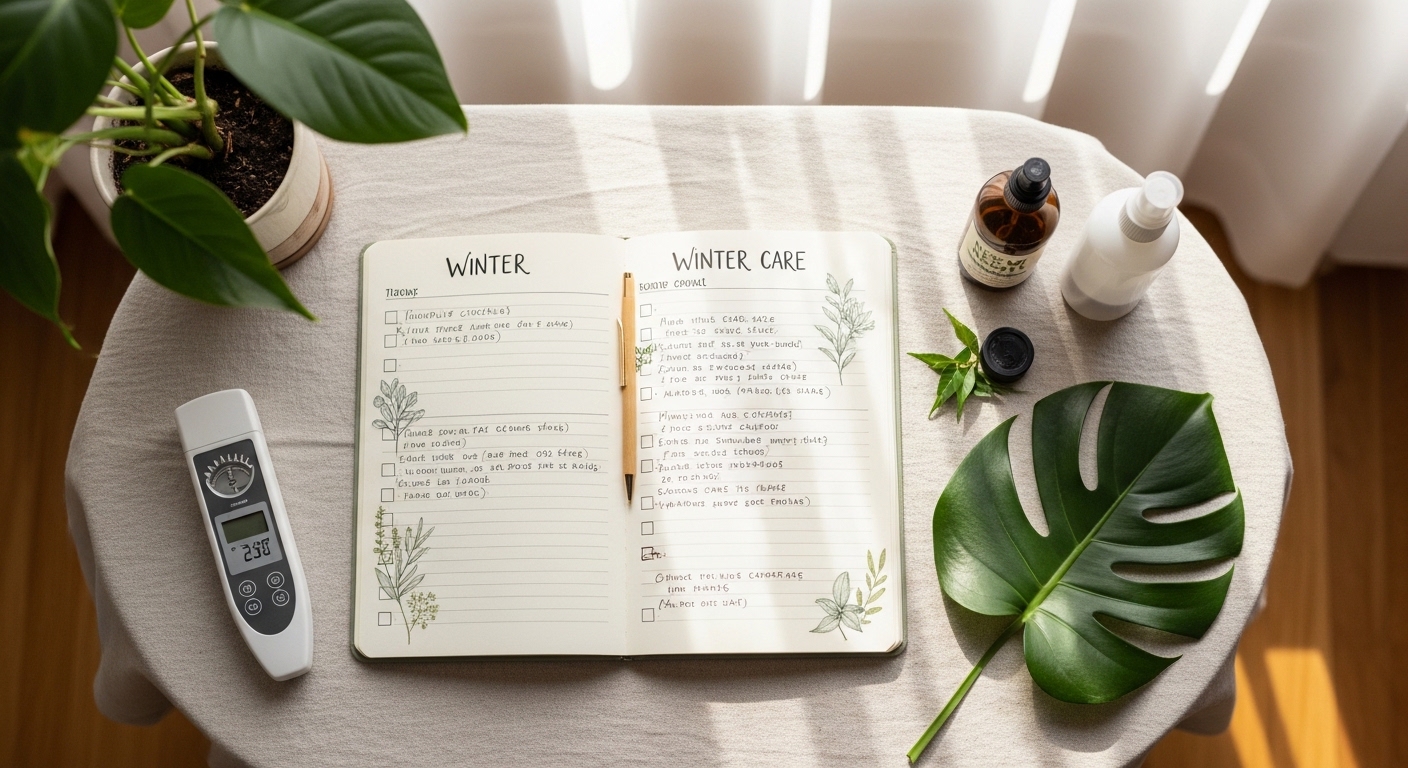
Use this checklist as a monthly rhythm through the winter months, working through tasks roughly in this seasonal sequence:
- Early winter (November–December): Reduce watering frequency across all houseplants. Stop fertilizing. Move plants away from cold window glass and exterior walls.
- Early winter: Dust all large-leaved plants with a damp cloth. Check and adjust plant positions to maximize available daylight hours.
- Mid-winter (January): Inspect all plants for spider mites, fungus gnats, and scale insects. Treat early with neem oil solution or insecticidal soap if needed — always check product instructions and consult a professional if unsure about treatment suitability.
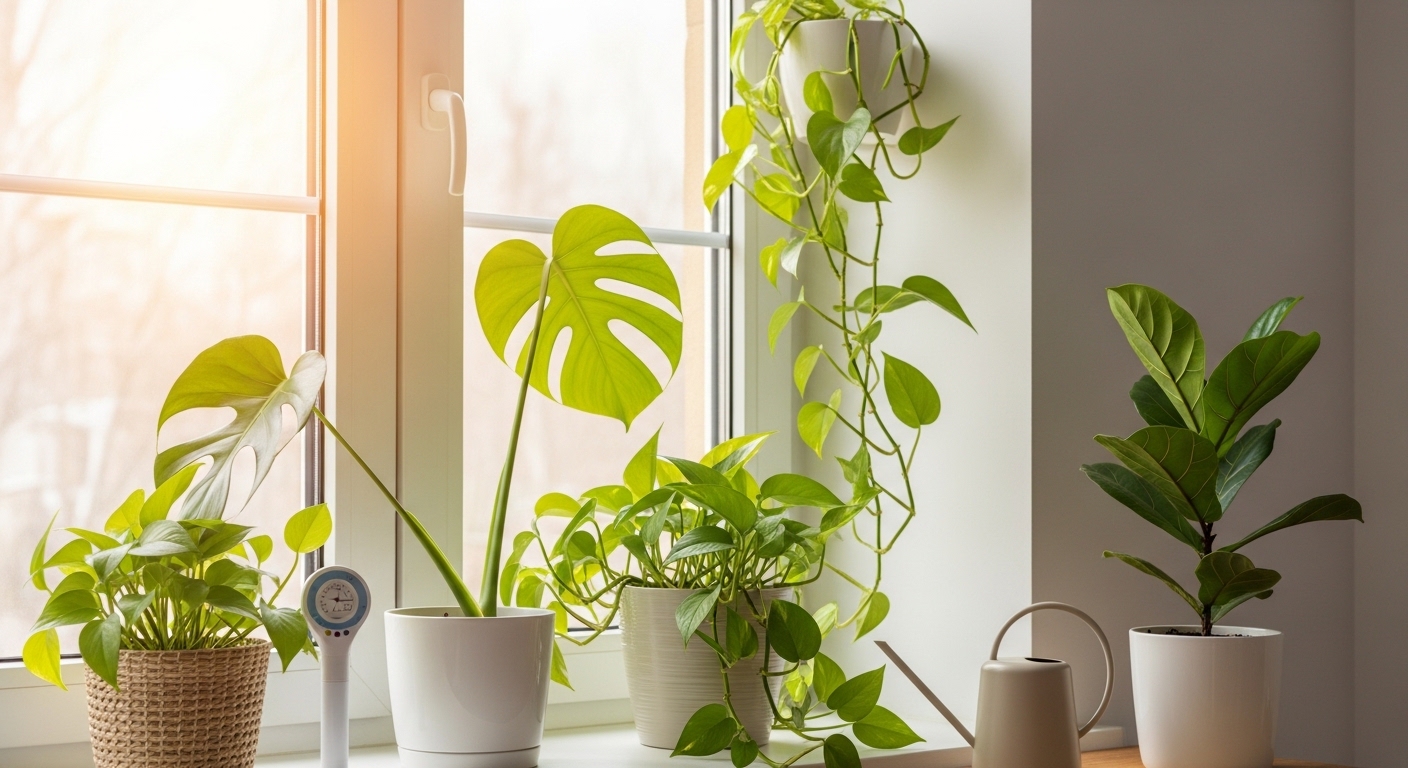
- Mid-winter: Monitor soil moisture with a finger test or moisture meter before every watering. Err on the side of underwatering rather than overwatering.
- Mid-winter: Consider supplementing light with a full-spectrum grow light (generally 5000–6500K) for 12–14 hours per day for light-hungry species. Follow manufacturer instructions for installation and electrical safety.
- Late winter (February–March): Watch for the first signs of new growth — a signal that your plants are beginning to wake up. Resume a light half-strength fertilizer dose when new leaves appear.
- Late winter: Begin gradually reintroducing plants to brighter positions and slightly more frequent watering as day length increases.
As February edges toward March and the angle of sunlight shifts noticeably higher in the sky, you'll start to see the reward for all that careful restraint — a new unfurling leaf here, a fresh shoot there. Winter plant care isn't about keeping plants alive despite the season. It's about working with the season so your plants emerge into spring stronger and more resilient than ever.
Winter is the season that separates reactive plant owners from truly attentive ones. By reducing water, pausing fertilizer, managing humidity, and protecting your plants from drafts and temperature swings, you're not just keeping them alive — you're building the foundation for a spectacular growing season ahead. Trust the slowdown. Your plants know what they're doing, and now, so do you.



Comments
Post a Comment