How to Fertilize Indoor Plants Correctly
If your houseplants look a little dull, grow slowly, or keep dropping leaves despite good watering habits, the missing piece might be nutrition. Fertilizing indoor plants correctly is one of the most misunderstood parts of plant care — and one of the most rewarding to get right. This beginner guide covers when to fertilize, which nutrients actually matter, how to read an NPK ratio, and how to avoid the most common feeding mistakes that can set your plants back.
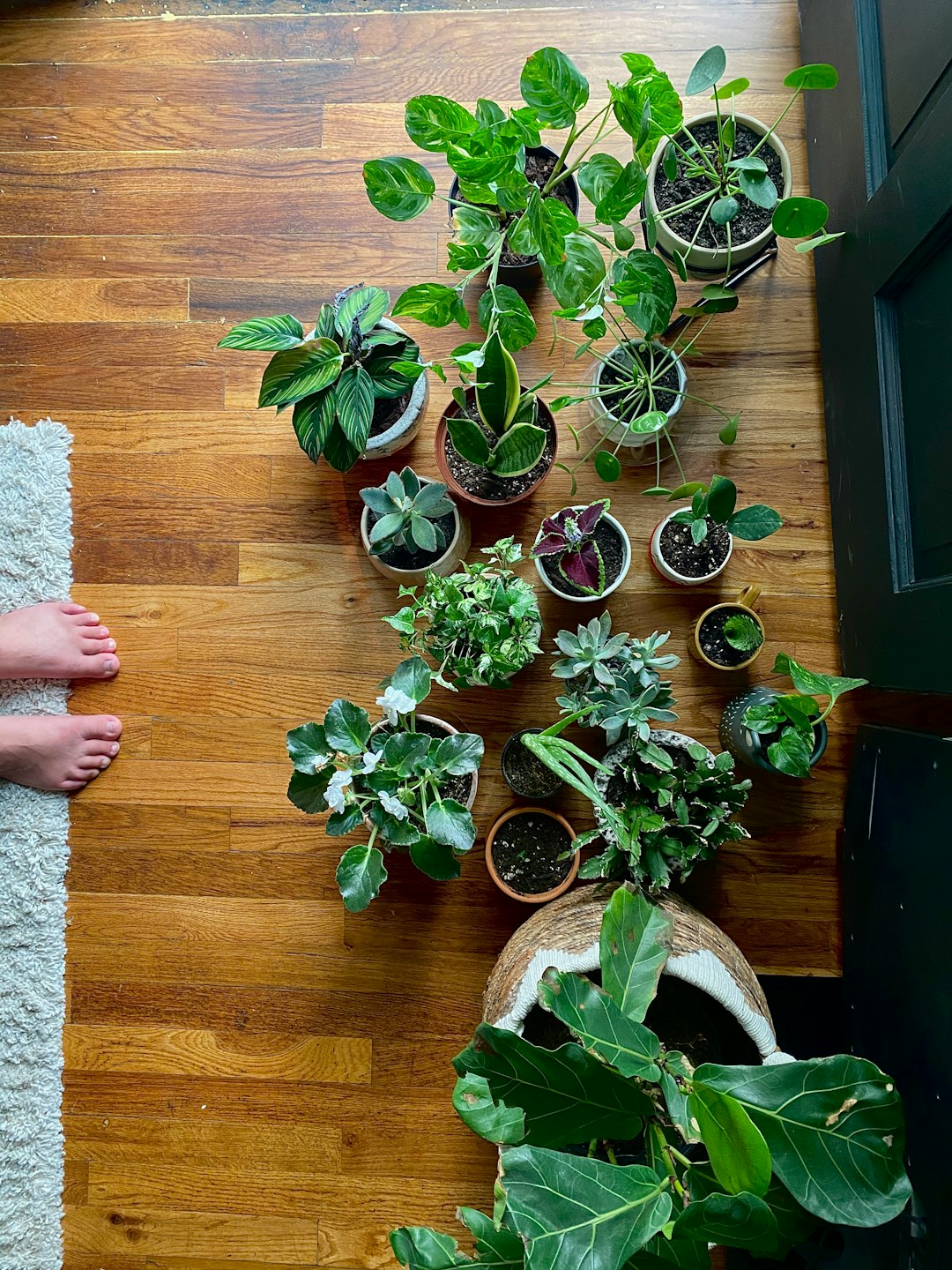
Understanding Your Plant's Nutritional Environment
In nature, plants access a continuous supply of nutrients through decomposing organic matter, rainfall, and living soil ecosystems. Indoors, that cycle is completely interrupted. Potting mix starts with a limited nutrient reserve — most commercial mixes are depleted within 4 to 8 weeks of regular watering — and there is no natural replenishment happening in a sealed pot.
This is why fertilizing indoor plants is not optional for long-term health; it is simply replacing what the growing medium can no longer provide. Think of it less like giving your plant a treat and more like refilling a tank that drains a little with every watering session.
Understanding this context helps you fertilize with intention rather than guesswork. Your plant is not being fussy — it is operating in an artificially limited environment and counting on you to bridge the gap.
Watering the Right Way Before You Fertilize
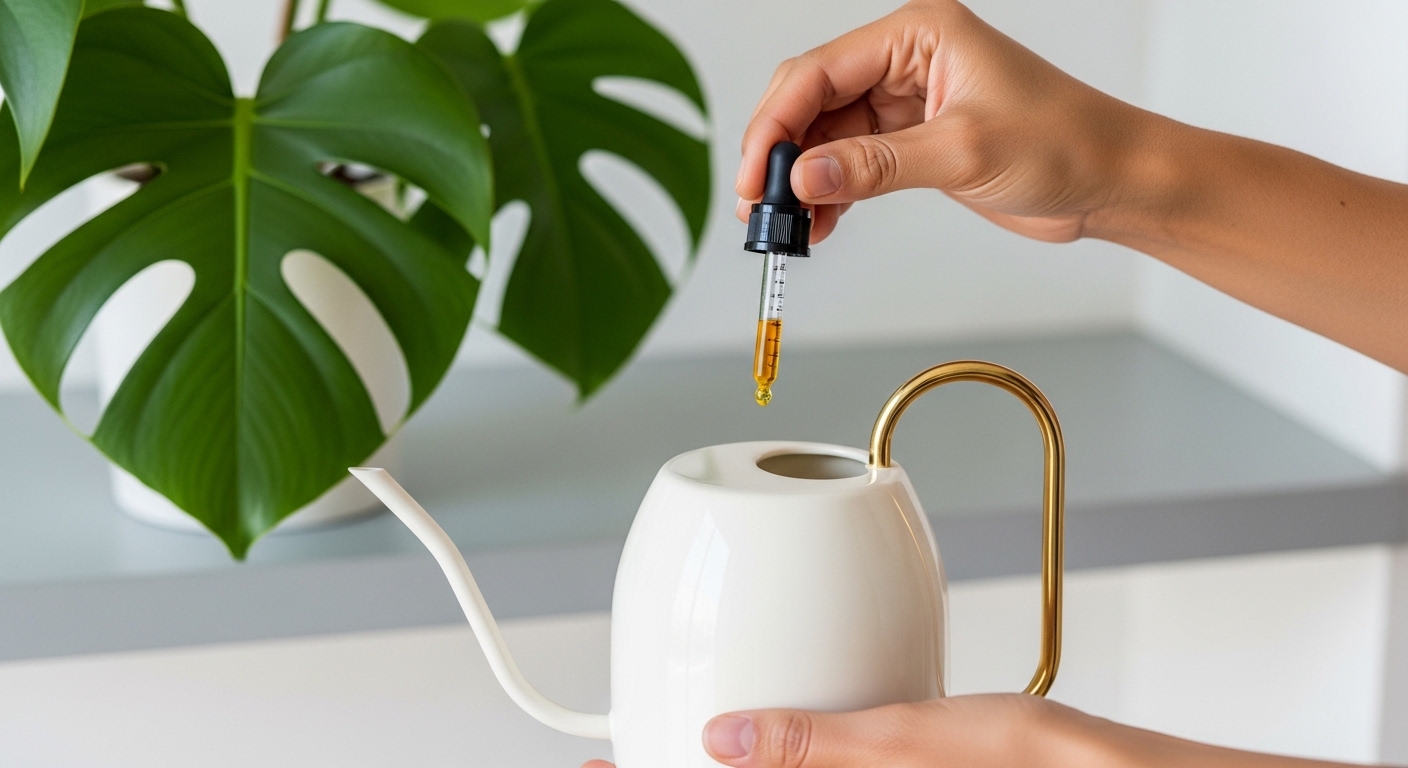
Before any fertilizer touches your plant, the soil should already be moist. Applying fertilizer — especially liquid concentrate — to dry soil is one of the fastest ways to cause root burn, because the concentrated salts have no buffer and sit directly against dry root tissue. Always water your plant first, then apply a diluted fertilizer solution as a follow-up, or water and fertilize in the same step using a pre-diluted mix.
For most liquid fertilizers, diluting to half the recommended label strength is a widely recommended starting point for houseplants. Indoor plants generally grow more slowly than outdoor plants and have a lower nutrient demand, so a lighter, more frequent approach tends to work better than occasional heavy doses.
A practical rhythm many growers use is the "fertigation" method: fertilize every second or third watering during the active growing season, and skip fertilizer entirely during the rest of the watering sessions. This keeps nutrient levels consistent without risking salt buildup.
Water first, fertilize second. A well-hydrated root system absorbs nutrients more efficiently and is far less vulnerable to fertilizer burn than a dry one.
Light Requirements and Fertilizing: The Connection
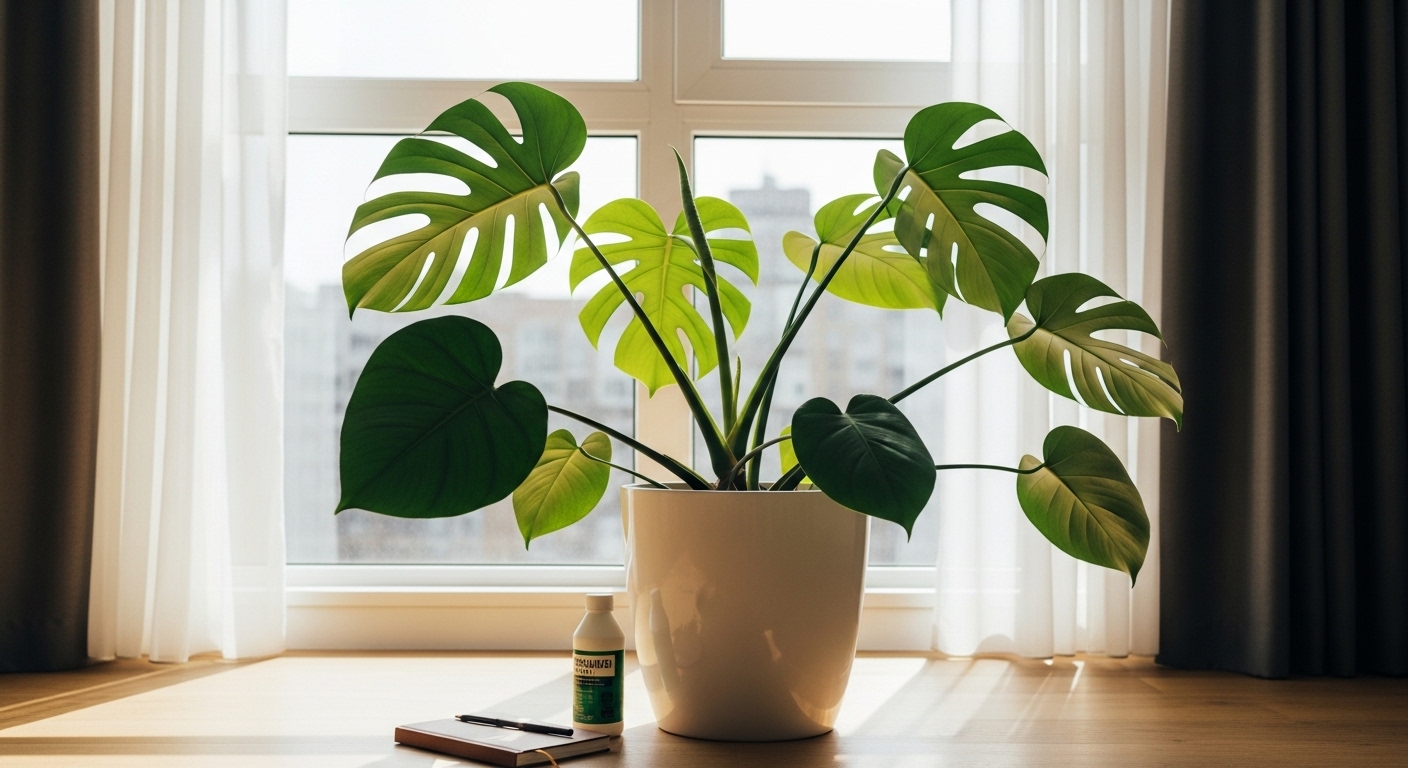
Light and fertilizer are deeply linked, and understanding this connection can save you from a very common mistake. A plant that does not receive enough light cannot photosynthesize efficiently, which means it cannot process and use the nutrients you provide. Fertilizing a light-starved plant does not compensate for poor light — it simply increases the salt load in the soil with no benefit to the plant.
As a general rule, only fertilize plants that are actively growing. Active growth is visible: you will see new leaves unfurling, stems extending, or fresh root tips appearing at drainage holes. If your plant has been sitting still for weeks with no new growth, it is likely in a low-light or dormant state and does not need feeding.
Most tropical houseplants — pothos, monsteras, philodendrons, peace lilies — grow actively from roughly spring through early autumn in the Northern Hemisphere. This is the window when fertilizing makes the most meaningful difference. During winter, when light levels drop and growth slows, most indoor plants benefit from a feeding pause.
NPK Ratios, Humidity, Temperature & Soil Explained
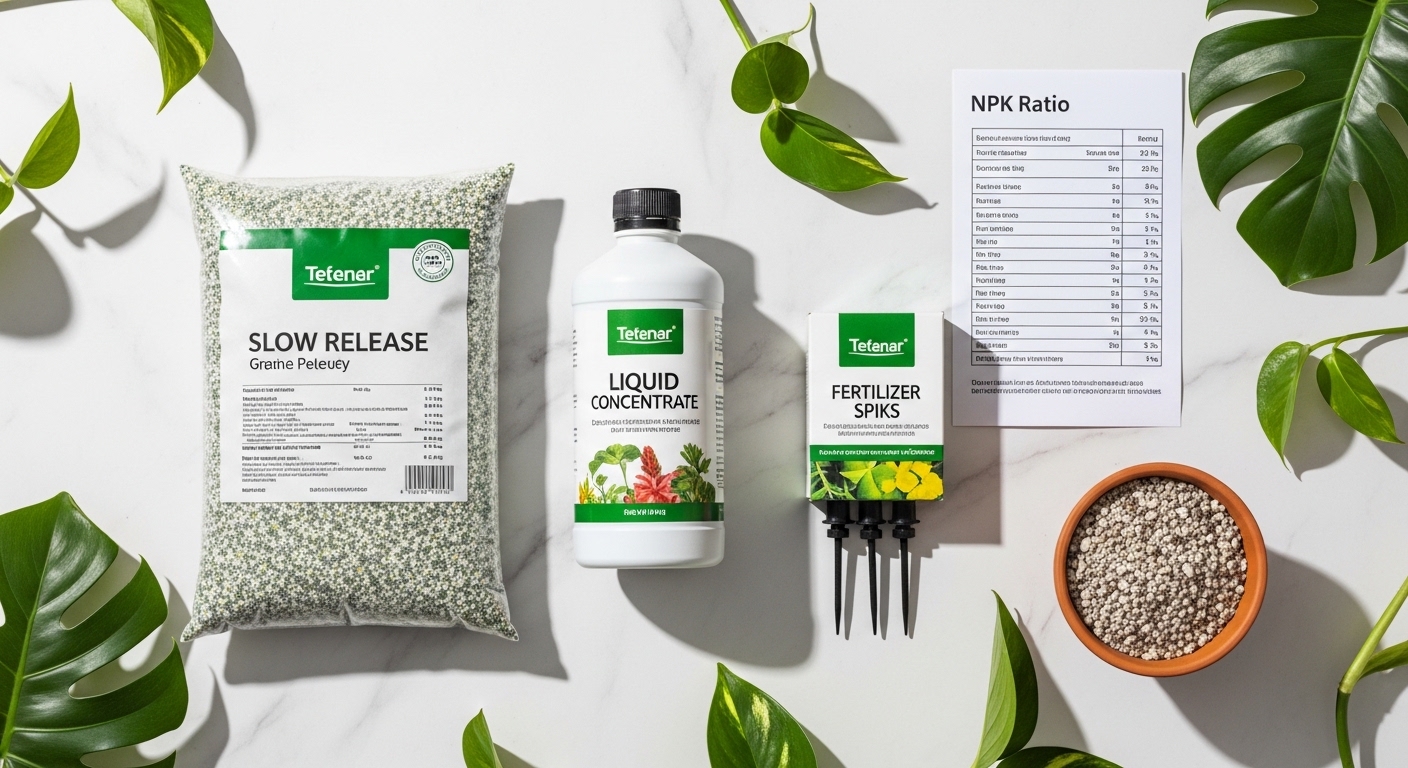
Every fertilizer label carries three numbers separated by hyphens — this is the NPK ratio, and it tells you the percentage of nitrogen (N), phosphorus (P), and potassium (K) in the formula. Each plays a distinct role in plant health:
- Nitrogen (N): Drives leafy, green growth and is the nutrient most responsible for lush, full foliage. Foliage plants like pothos and ferns generally benefit from a higher N ratio.
- Phosphorus (P): Supports root development and flowering. Blooming houseplants like African violets or peace lilies tend to respond well to a higher P formula during bud development.
- Potassium (K): Strengthens overall plant structure, supports water regulation, and helps plants resist stress. A balanced K level contributes to general resilience.
For most general-purpose houseplant feeding, a balanced ratio such as 10-10-10 or 20-20-20 (diluted to half strength) works well across a wide range of species. Specialty formulas — such as a 5-10-5 for flowering plants or a high-nitrogen 3-1-2 ratio for foliage — can be useful once you understand your specific plant's needs.
Soil quality also affects how well nutrients are absorbed. A well-draining mix with good aeration — typically a blend of potting soil, perlite, and sometimes bark or coco coir — allows roots to access nutrients without sitting in waterlogged conditions that can cause root rot and nutrient lockout. Temperature and humidity matter too: most tropical houseplants absorb nutrients most efficiently in temperatures between 18°C and 27°C (65°F–80°F) and in moderate to high humidity environments.
Common Indoor Fertilizing Mistakes
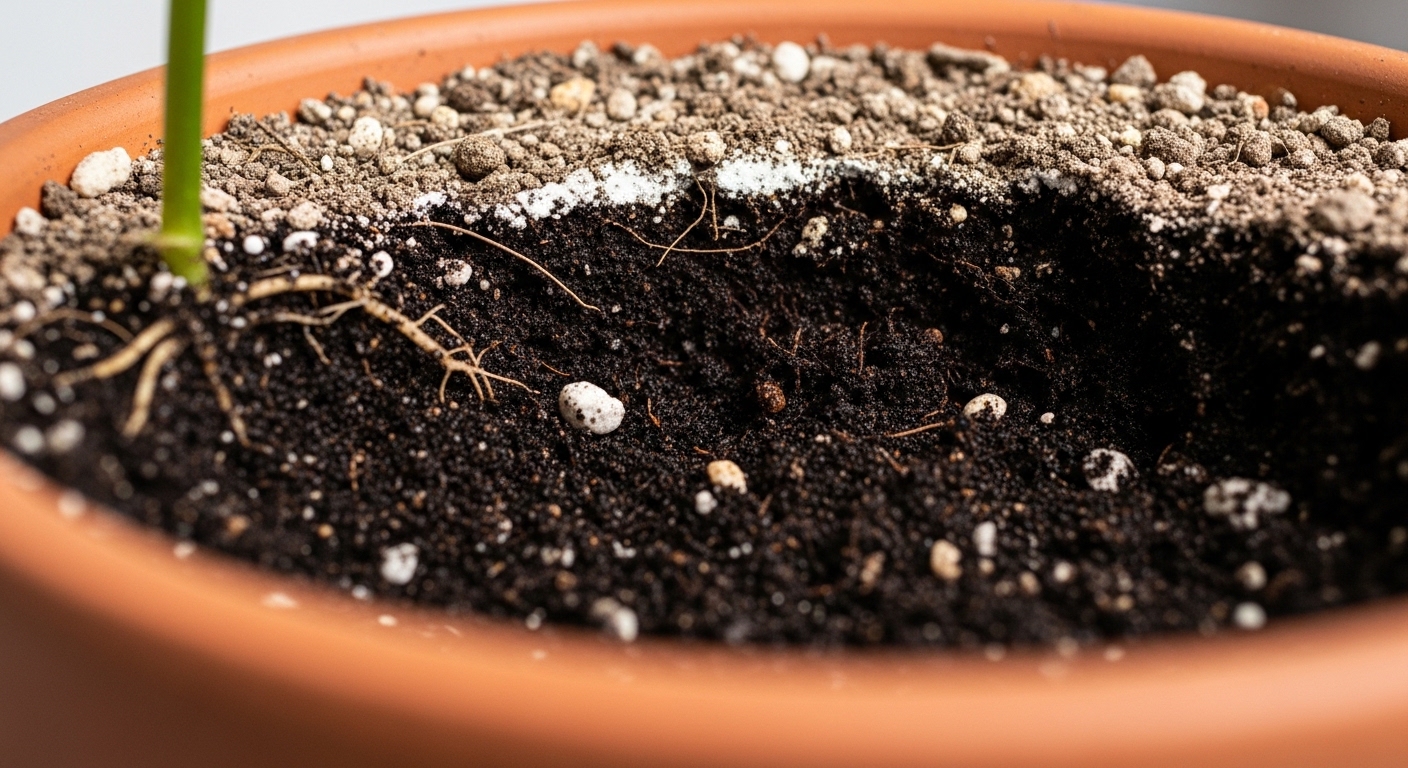
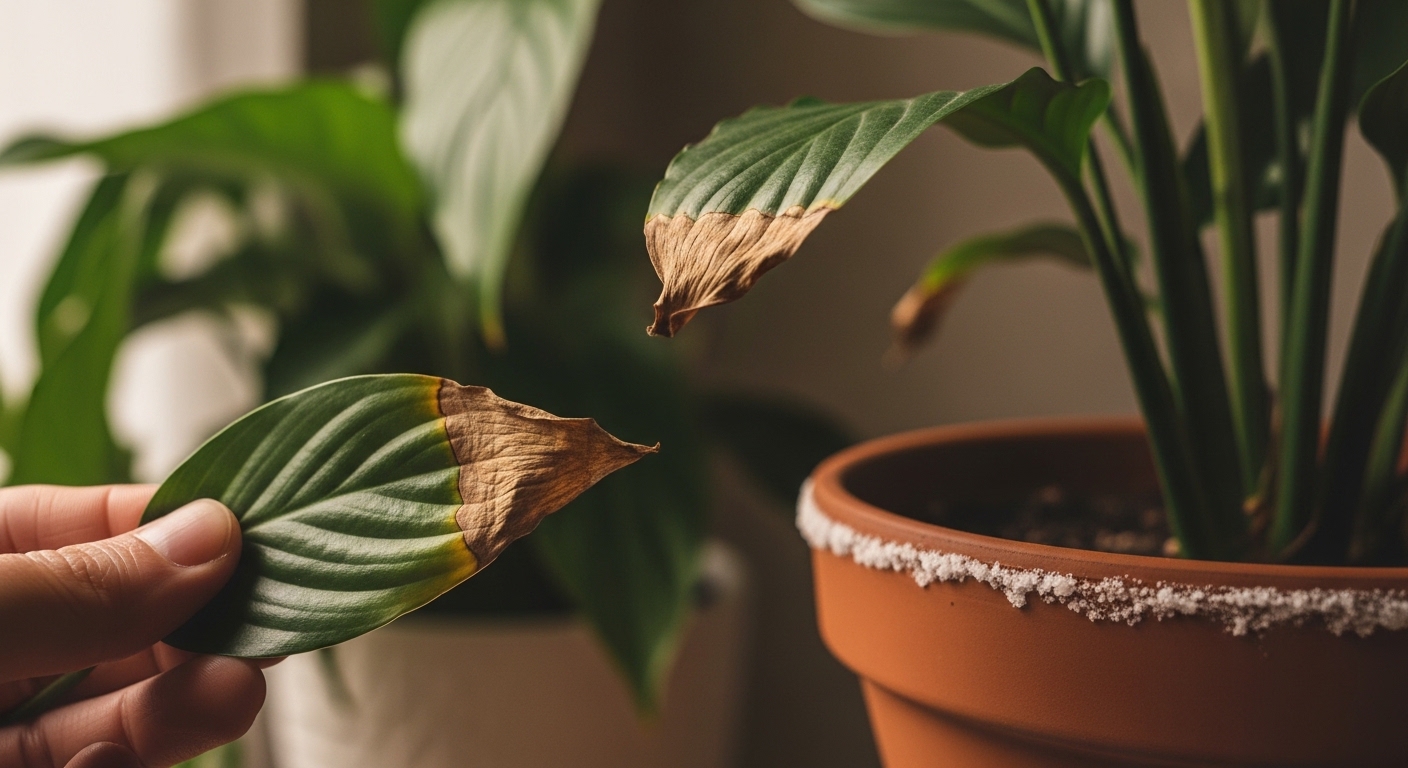
- Over-fertilizing: Applying too much fertilizer — or feeding too frequently — leads to salt buildup in the soil. Visible signs include white crusty deposits on the soil surface or pot rim, brown leaf tips, and wilting despite moist soil. If you notice these symptoms, flush the soil thoroughly with plain water to help leach excess salts.
- Fertilizing a stressed or sick plant: A plant dealing with root rot, pest infestation, or severe underwatering is already under significant stress. Adding fertilizer in this state can worsen the problem rather than help. Stabilize the plant's core conditions first, then resume feeding once it shows signs of recovery.
- Fertilizing in winter without checking growth: Many beginners continue their summer feeding schedule through winter, not realizing their plant has slowed or stopped growing. Nutrients that cannot be used simply accumulate as salts in the soil.
- Using undiluted concentrate directly on soil: Liquid fertilizer concentrates are formulated to be diluted before use. Applying them at full strength — even once — can cause immediate root burn and lasting damage to fine root hairs.
- Ignoring the type of water used: Tap water in many areas contains minerals that can interact with fertilizer salts over time. Many growers find that using filtered or rainwater for fertilizing helps maintain a cleaner soil environment, particularly for sensitive species like calatheas or ferns.
Brown leaf tips after fertilizing? This is a classic sign of fertilizer burn or salt accumulation. Flush the soil with plain water two or three times in succession, allow it to drain fully, and reduce your fertilizer concentration going forward.
Quick Fertilizing Care Checklist
Use this checklist as a seasonal reference to keep your feeding routine on track throughout the year.
- Check for active growth (new leaves, extending stems) before fertilizing — if growth has paused, hold off.
- Water the plant thoroughly before applying any fertilizer.
- Dilute liquid fertilizer to half the recommended label strength for most houseplants.
- Fertilize every second or third watering during spring and summer.
- Pause or reduce fertilizing from late autumn through winter when light levels drop.
- Flush the soil with plain water once a month during the growing season to prevent salt buildup.
- Match your NPK ratio to your plant type: higher N for foliage plants, higher P for flowering plants.
- Never fertilize a plant that is visibly stressed, wilting from root issues, or recovering from pest damage.
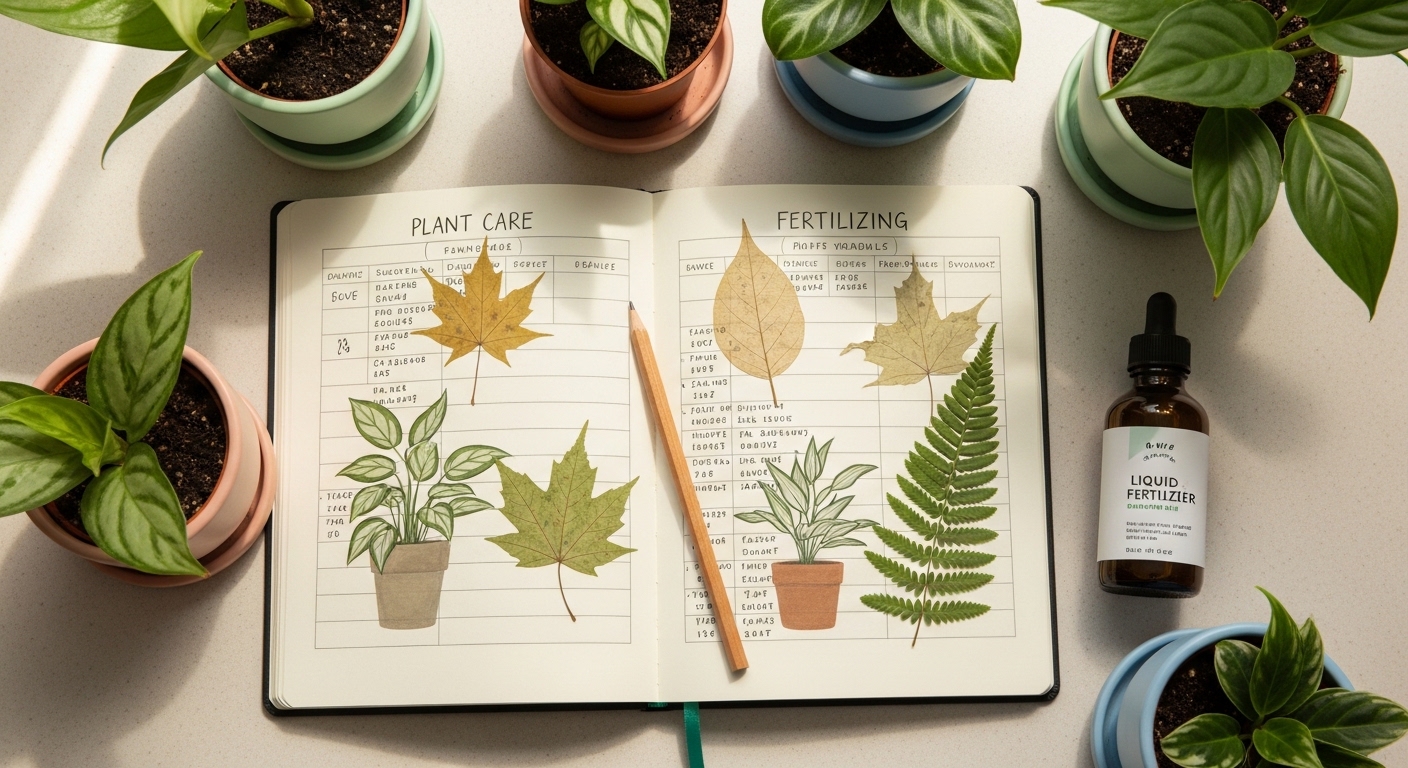
Keeping a simple plant journal — even just a few notes on your phone — can help you track when you last fertilized, which formula you used, and how your plant responded. Over time, this builds an intuitive understanding of each plant's rhythm that no general guide can fully replicate.
Fertilizing your indoor plants does not need to be complicated or intimidating. Once you understand the basic rhythm — feed during active growth, dilute generously, and pause in low-light seasons — it becomes a natural and genuinely satisfying part of your plant care routine. Your plants will show you when things are working: deeper green color, faster growth, and that unmistakable vitality that makes a houseplant feel truly alive. Start simple, observe closely, and adjust as you go.


Comments
Post a Comment