Fall Garden Tasks: Preparing Plants for Winter
There's a particular kind of satisfaction in putting a garden to bed well. The air is cooler, the light is lower, and the plants are telling you — through yellowing leaves, dying stems, and slowing growth — that the season is shifting. Fall garden tasks aren't just about tidying up. They're about setting the stage for everything that comes next: the bulbs that will push through cold soil in March, the perennials that will return stronger after a proper cutback, the beds that will be richer for a layer of mulch laid down in October. Get these autumn essentials right, and spring will feel like a reward you actually earned.
What's Happening in Your Garden Right Now
Autumn isn't decline — it's redistribution. As temperatures drop and day length shortens, most plants begin pulling energy downward, away from leaves and stems and back into their root systems. This is a survival mechanism, and it's worth understanding because it shapes every task on your fall list.
Perennials are storing carbohydrates in their crowns and roots. Annuals are completing their life cycle and setting seed. Tender bulbs like dahlias and cannas are sitting in soil that will soon freeze, unable to protect them. And your compost pile, if you have one, is slowing down as microbial activity drops with the temperature. Everything is winding down — but not in a way that means nothing matters. Quite the opposite.
One frustrating part of autumn gardening is the timing pressure. There's a window — usually between the first light frost and the hard ground freeze — when most of these tasks need to happen. Miss it, and spring bulbs don't get planted, tender plants get damaged, and mulch goes down too late to do much good. Knowing what to prioritize makes all the difference.
Key Tasks for This Season
Autumn garden prep generally falls into five core actions. Done in roughly the right order, they build on each other naturally.
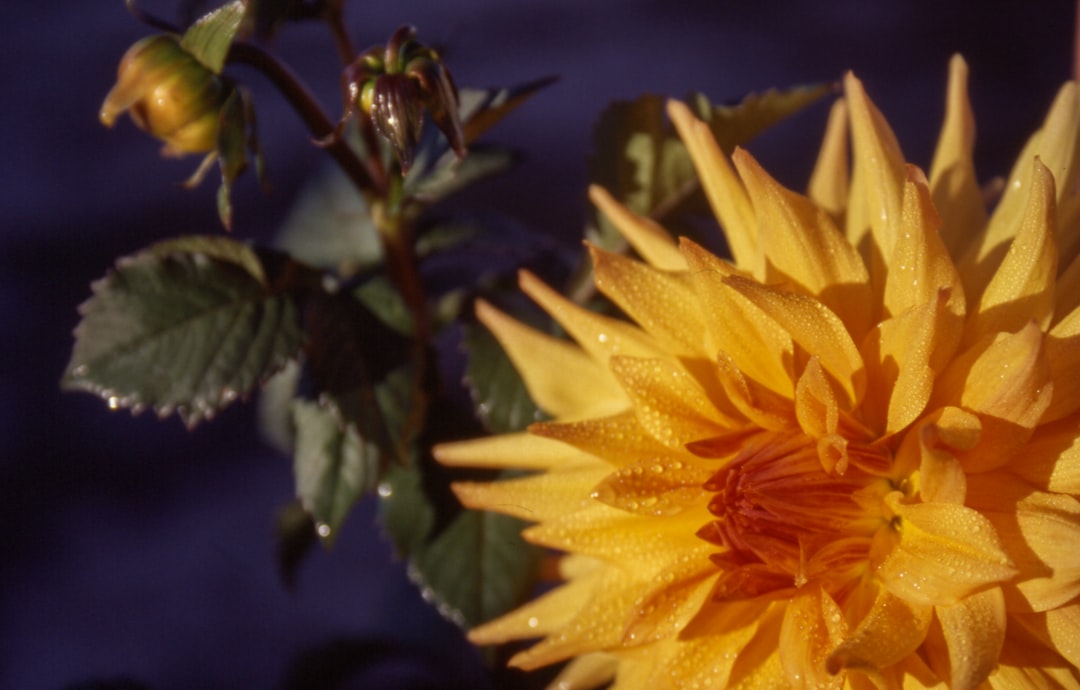
- Lift and store tender bulbs — Dahlias, cannas, gladioli, and begonias won't survive a hard freeze in the ground in most climates. Dig them after the first frost blackens the foliage, allow them to dry for a few days, then store in a cool, frost-free space in paper bags or trays of barely damp vermiculite.
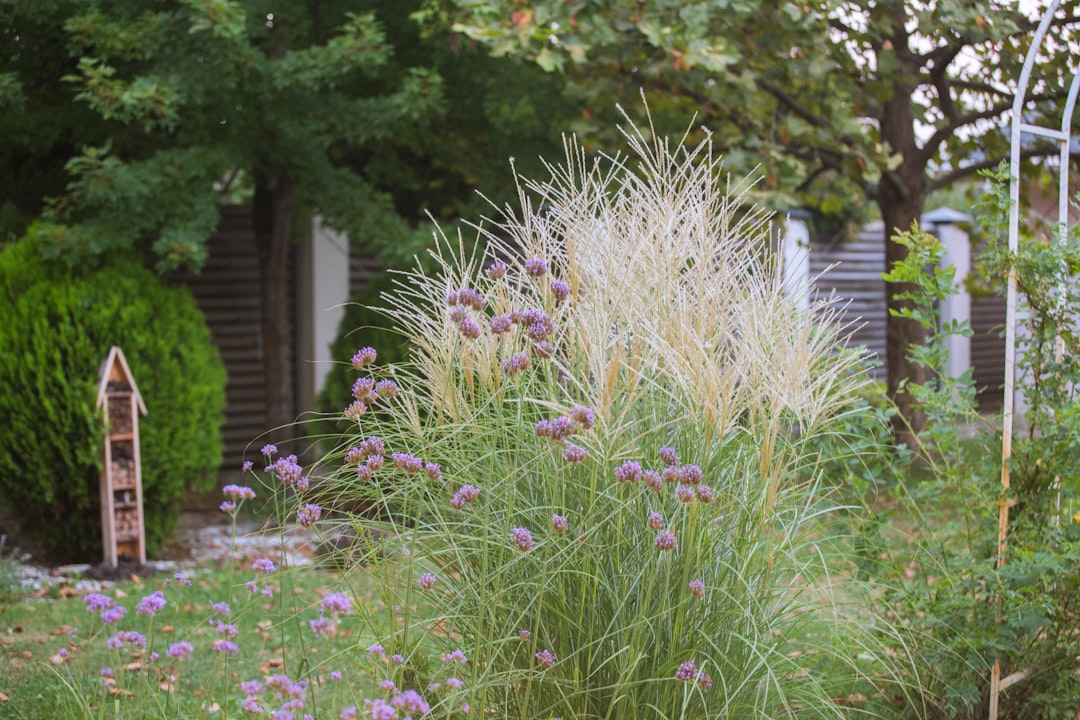
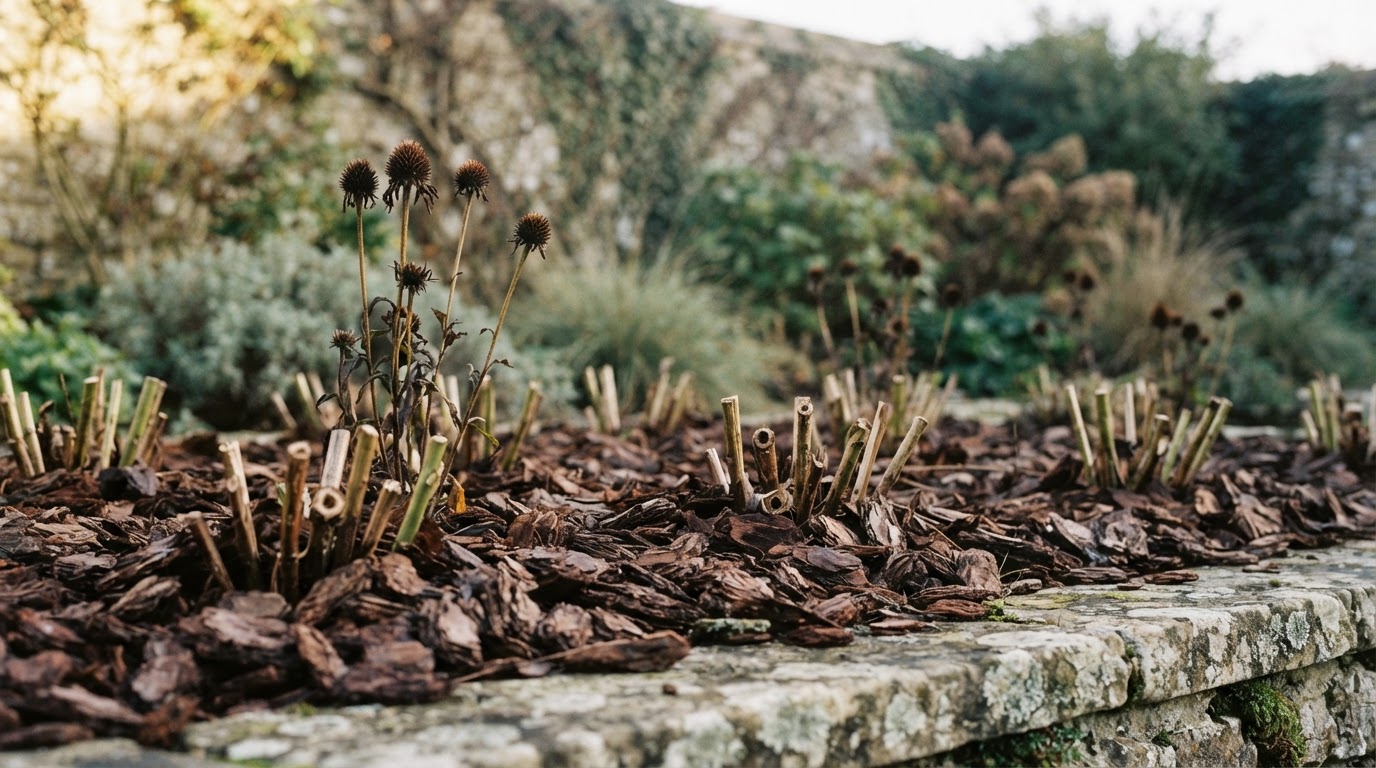
- Cut back perennials selectively — Not everything needs to be cut to the ground. Ornamental grasses, echinacea, and rudbeckia offer winter structure and wildlife habitat if left standing. Hostas, daylilies, and peonies, on the other hand, benefit from being cut back to a few centimetres above the crown once foliage has died back.
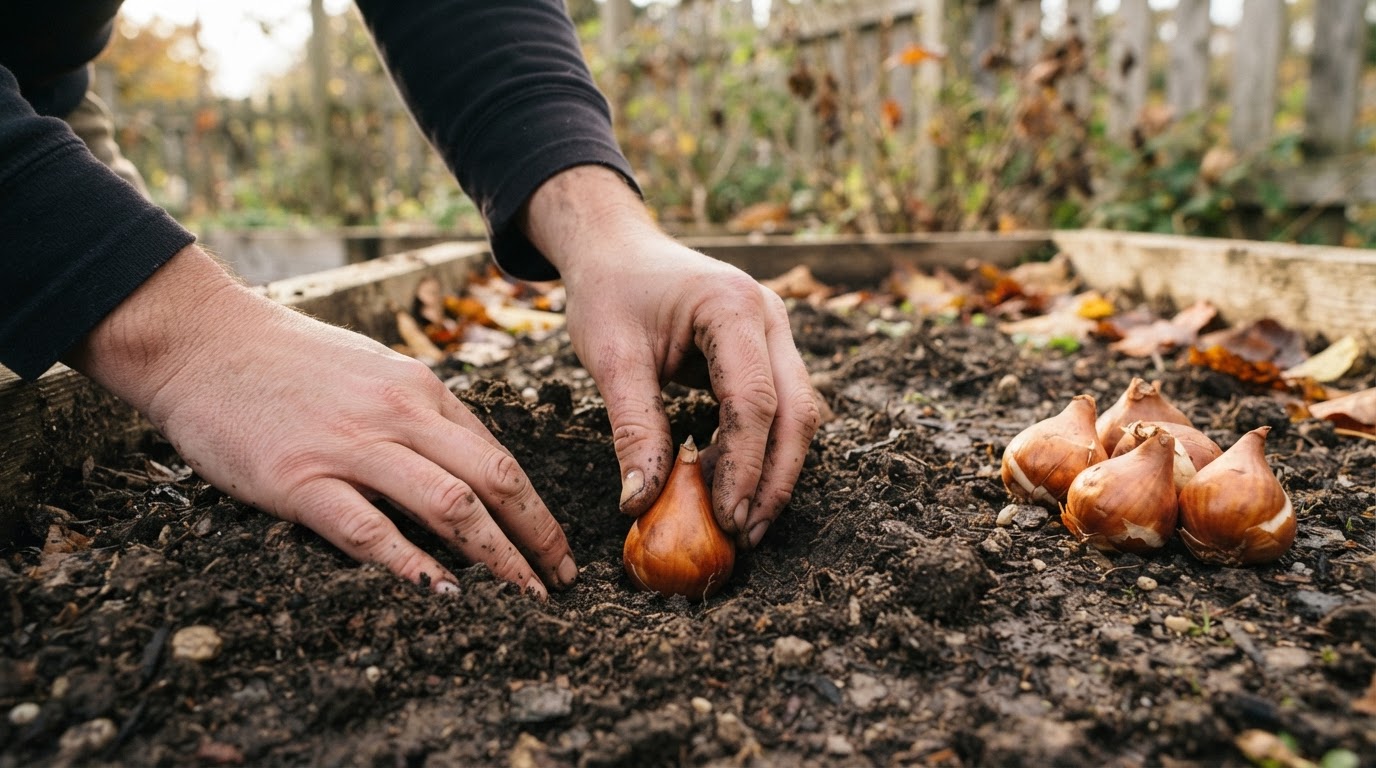
- Plant spring-flowering bulbs — Tulips, daffodils, alliums, and hyacinths need a cold period to bloom. They go in the ground in autumn, typically 6–8 weeks before the ground freezes hard.
- Mulch beds — A 5–8 cm layer of mulch insulates soil, moderates freeze-thaw cycles, and suppresses early spring weeds. Apply after the ground has cooled but before it freezes solid.
- Compost spent crops and clear annual beds — Removing diseased plant material and composting healthy spent crops closes the loop on the growing season and feeds next year's garden.
Mulching too early — while the soil is still warm — can encourage rodents to nest and delay the natural hardening-off process plants need. Wait until nighttime temperatures are consistently below 5°C before laying it down.
What to Plant (or Harvest) This Season
Autumn is genuinely one of the best planting windows of the year — not just for bulbs, but for a surprising range of plants that establish better in cool soil than in the heat of summer.
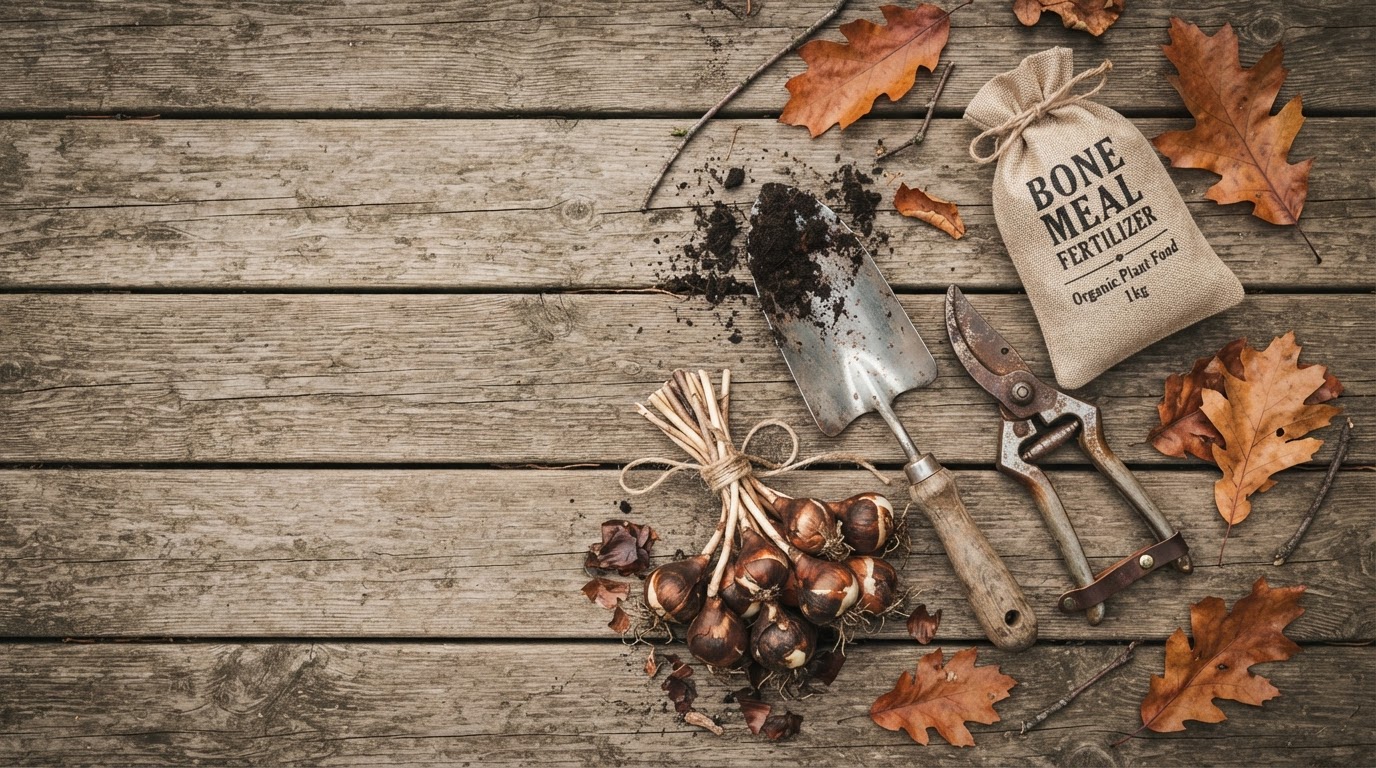
Spring-flowering bulbs are the obvious priority. Plant them at a depth roughly two to three times their diameter, with the pointed end facing up. Tulips prefer a sunny, well-drained spot; daffodils are more forgiving of partial shade and heavier soil. Alliums add architectural interest and are largely deer-resistant, which many growers find makes them worth including even in small gardens.
Beyond bulbs, autumn is also a good time to:
- Plant bare-root roses and fruit trees (once dormant)
- Sow hardy annual seeds like larkspur, nigella, and calendula directly into beds for early spring germination
- Divide and replant overcrowded perennials like hostas, astilbes, and ornamental grasses
- Harvest and cure winter squash, root vegetables, and any remaining herbs before hard frost
If you grow garlic, now is the time. Plant individual cloves 5 cm deep and 15 cm apart in rich, well-drained soil. They'll establish roots before winter and be ready to harvest the following summer.
Protecting Plants from Seasonal Stress
Moving tender plants indoors is one of those tasks that always seems more straightforward than it turns out to be. The challenge isn't just the physical move — it's helping the plant adjust to a completely different light environment without going into shock.
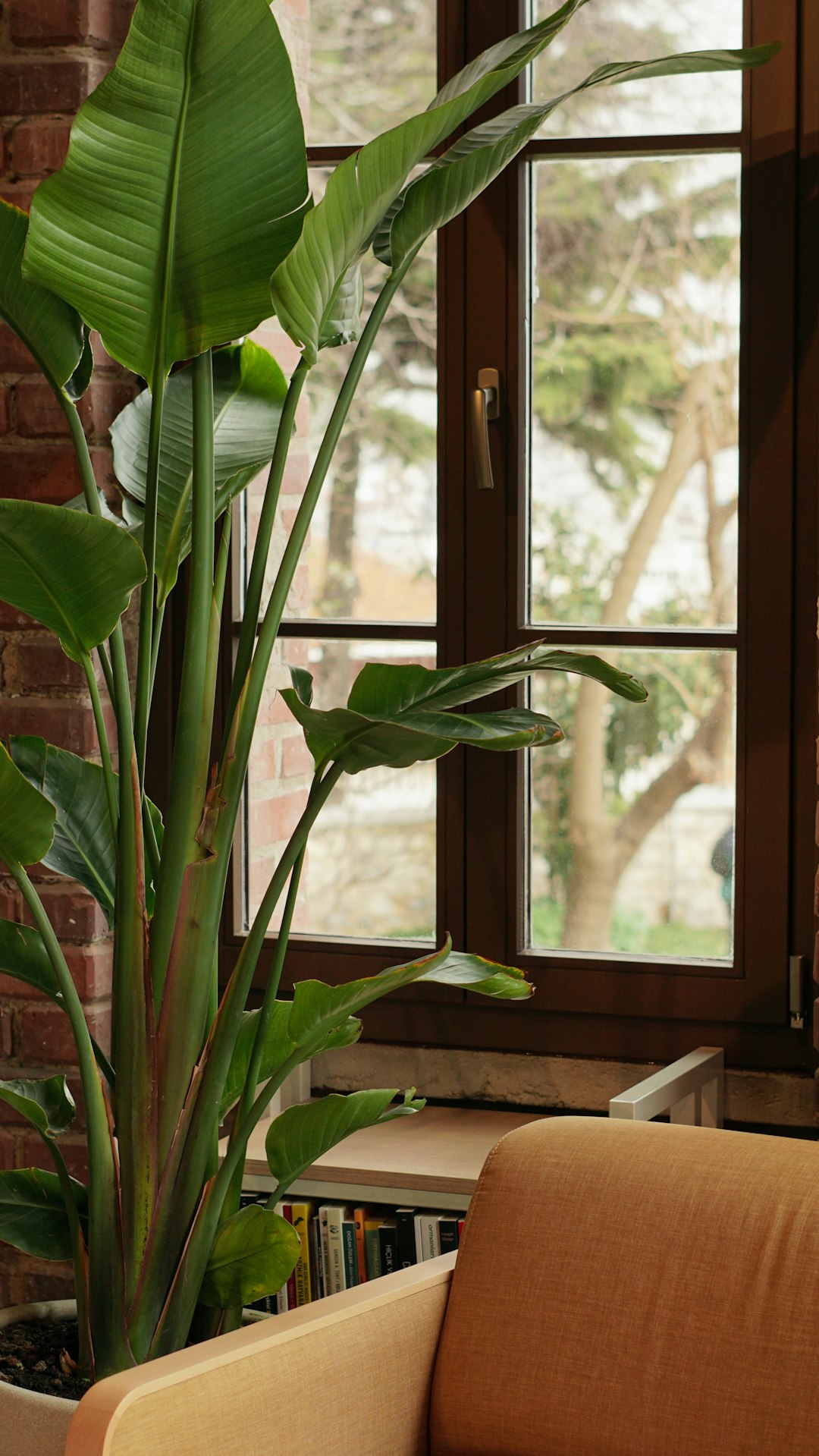
Tropical houseplants that spent summer outdoors — things like bird of paradise, citrus, and large-leafed begonias — should come inside before nighttime temperatures drop below 10°C consistently. Bring them in gradually if possible: a few days in a sheltered porch or garage can help bridge the transition. Inspect carefully for pests before they come in. Spider mites, mealybugs, and scale insects often hitch a ride indoors and can spread quickly in the dry air of a heated home.
For plants staying in the ground, a few protective measures go a long way:
- Frost cloth or horticultural fleece — Drape loosely over borderline-hardy plants during early frosts. Remove during the day to allow light and air circulation.
- Mounding soil or compost over crowns — For marginally hardy perennials like agapanthus or gunnera, a mound of loose compost over the crown can provide several degrees of extra protection.
- Wrapping container plants — Pots freeze faster than ground soil. Wrap terracotta or ceramic containers in bubble wrap or hessian, or move them to a sheltered wall.
Many growers notice that the plants most likely to be lost over winter are the ones in containers that were forgotten against an exposed wall. A little repositioning in October can save a lot of disappointment in April.
Seasonal Care Checklist
Use this as a working reference for the weeks ahead. The order roughly follows the seasonal timeline — earlier tasks first, later tasks toward the end of the list.
- Harvest remaining vegetables and herbs before the first hard frost
- Lift and store tender bulbs (dahlias, cannas, gladioli) after first frost blackens foliage
- Bring tropical and tender container plants indoors before nights drop below 10°C
- Cut back dead or dying perennial foliage, leaving structural seedheads where possible
- Divide overcrowded perennials and replant or pot up divisions
- Plant spring-flowering bulbs (tulips, daffodils, alliums, hyacinths)
- Plant garlic cloves for next summer's harvest
- Clear annual beds and add spent (disease-free) plant material to the compost heap
- Turn and aerate the compost pile before activity slows in cold weather
- Apply a 5–8 cm layer of mulch to beds once soil has cooled
- Wrap or reposition vulnerable container plants against a sheltered wall
- Clean, oil, and store garden tools before winter
Autumn gardening rewards patience and attention to timing more than any other season. The work you do now — quiet, unglamorous, often done in a light drizzle — is what makes spring feel effortless. Plant the bulbs. Lay the mulch. Let the seedheads stand. Your future self will notice.
If you're also thinking about which plants to bring indoors and how to keep them healthy through the darker months, caring for houseplants in winter light is worth exploring next. And if your spring bulb planting has you curious about container gardening, there's a whole world of balcony and patio growing that builds naturally from here.
Comments
Post a Comment