What to Plant in Summer for a Productive Garden
Summer gardening has a reputation for being brutal — and honestly, some of that is earned. The soil dries out fast, cool-season crops bolt overnight, and a few scorching afternoons can undo weeks of careful work. But summer is also when the garden can be most generous. The key is knowing what to plant in summer and how to work with the heat rather than against it. Heat-tolerant vegetables, resilient herbs, and sun-loving flowers can carry your garden through the hottest months with real productivity — you just need to plant the right things at the right time.
What's Happening in Your Garden Right Now
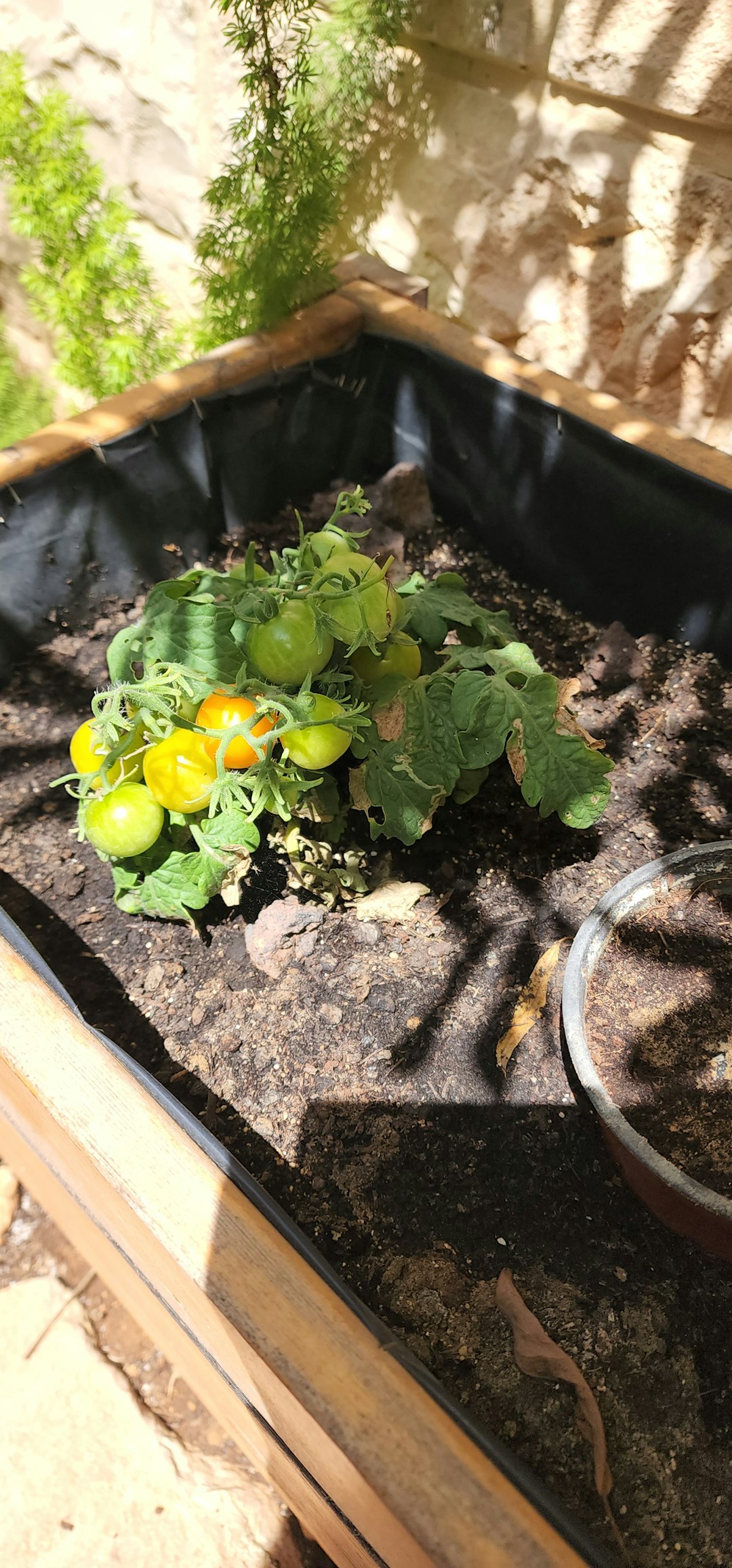
In summer, your garden is operating under a different set of rules. Soil temperature rises well above what cool-season crops can tolerate — often reaching 27–35°C (80–95°F) just a few centimeters below the surface. This warmth is actually ideal for germinating heat-loving seeds like beans, squash, and basil, but it also accelerates moisture loss and can push some plants into survival mode rather than productive growth.
One frustrating part of midsummer gardening is watching plants that looked great in spring suddenly stall or bolt. Lettuce, spinach, and cilantro are classic culprits — they read the long days and rising temperatures as a signal to flower and set seed, shifting energy away from the edible leaves you actually want. Recognizing this shift early helps you make better decisions about what to pull and what to direct-sow in its place.
The soil biology is also more active in summer heat. Beneficial microbes break down organic matter faster, which means nutrients cycle more quickly — but also that your soil can deplete faster than in cooler months. Top-dressing with compost every few weeks can help maintain that biological activity without overwhelming roots with concentrated fertilizer.
Key Tasks for This Season
Summer garden management is less about planting everything at once and more about timing, protection, and consistent maintenance. A few focused habits make the difference between a productive plot and a stressed one.
Watering in hot weather is the single most important task to get right. Water deeply and less frequently rather than giving plants a shallow daily sprinkle. Deep watering — soaking the soil to at least 15–20 cm — encourages roots to grow downward where the soil stays cooler and retains moisture longer. Water in the early morning when possible; this reduces evaporation and gives foliage time to dry before nightfall, which helps prevent fungal issues.
Many growers find that switching to drip irrigation or soaker hoses in summer cuts water use significantly while actually improving plant health — roots get consistent moisture at the root zone without the stress of wet-dry cycles from overhead watering.
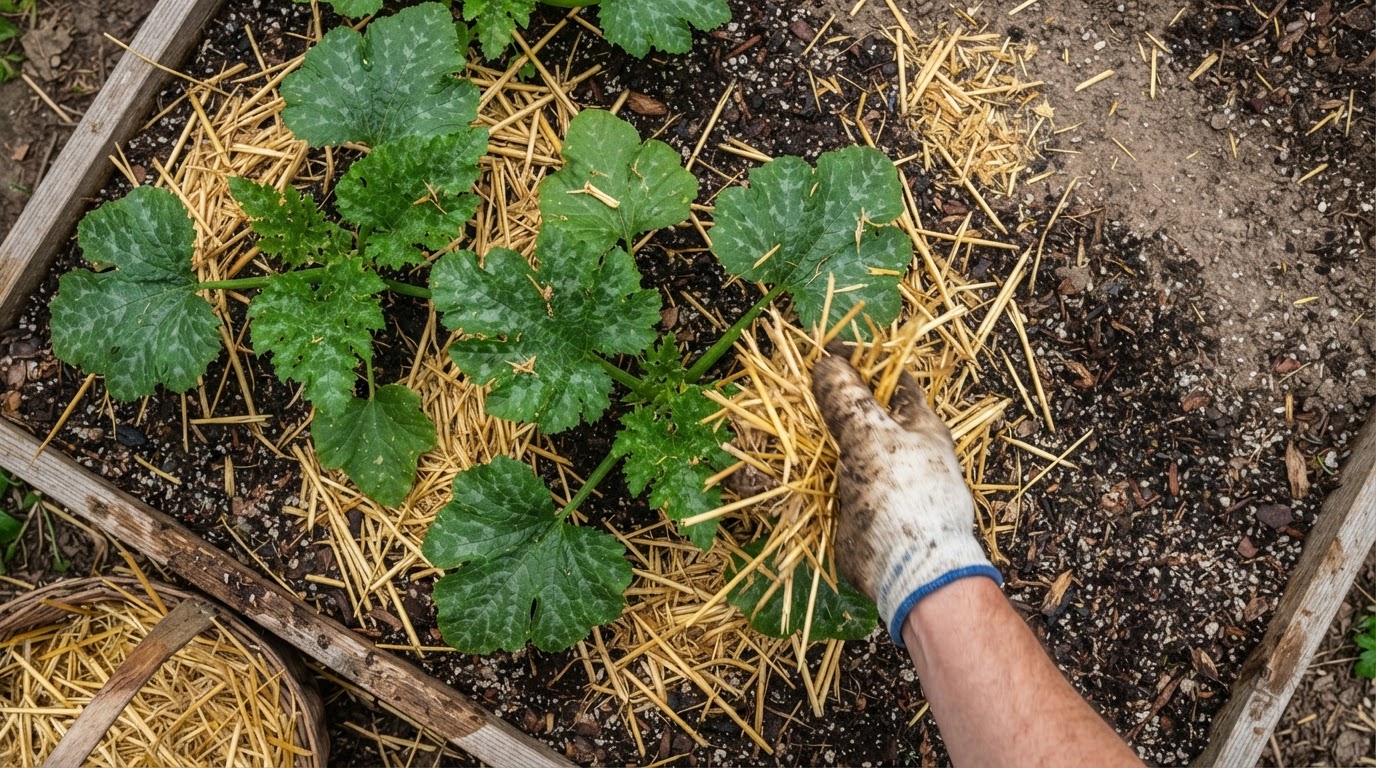
Mulching is non-negotiable in summer heat. A 5–8 cm layer of organic mulch — straw, shredded leaves, or wood chips — can reduce soil surface temperature by several degrees and dramatically slow moisture evaporation. Apply mulch after watering, keeping it a few centimeters away from plant stems to prevent rot. As it breaks down, it also feeds the soil.
Other key summer tasks include:
- Removing bolted cool-season crops promptly to free up space and reduce pest habitat
- Pinching back basil flower heads as soon as they appear to extend leaf production
- Checking for pest pressure in the early morning when insects are most visible
- Side-dressing heavy feeders like tomatoes and squash with compost or a balanced slow-release fertilizer
- Providing shade cloth (30–40% shade) over sensitive crops during heat waves
What to Plant (or Harvest) in Summer
The best summer crops share a few traits: they germinate well in warm soil, tolerate heat without immediately bolting, and often produce more prolifically as temperatures rise. Here's where to focus your planting energy.
Heat-tolerant vegetables to direct sow or transplant in summer:
- Tomatoes — Set out transplants by early summer; they need warmth to set fruit but may drop blossoms above 35°C, so afternoon shade helps in extreme heat.
- Zucchini and summer squash — Fast-growing and productive; direct sow seeds 2–3 cm deep and expect germination within 5–7 days in warm soil.
- Beans (bush and pole) — Direct sow every 3 weeks for a continuous harvest; they fix nitrogen and improve soil as they grow.
- Okra — One of the most genuinely heat-loving vegetables; sow after soil reaches at least 21°C and it will reward you with weekly harvests.
- Sweet corn — Needs warm nights as well as warm days; plant in blocks rather than rows for better pollination.
- Cucumbers — Fast to mature (50–65 days from seed); keep consistently watered to prevent bitter fruit.
- Eggplant — Slow to establish but highly productive once settled; prefers full sun and consistent moisture.
Herbs that genuinely love summer heat:
- Basil — Thrives above 20°C; pinch flowers weekly to keep leaves coming.
- Rosemary — Drought-tolerant once established; avoid overwatering in summer.
- Thyme — Intensifies in flavor under heat stress; let soil dry between waterings.
- Lemongrass — Loves heat and humidity; grows vigorously in large containers.
- Dill — Sow successionally every 2–3 weeks; it will bolt eventually, but new sowings stay productive.
Summer flowers that support pollinators and companion planting:
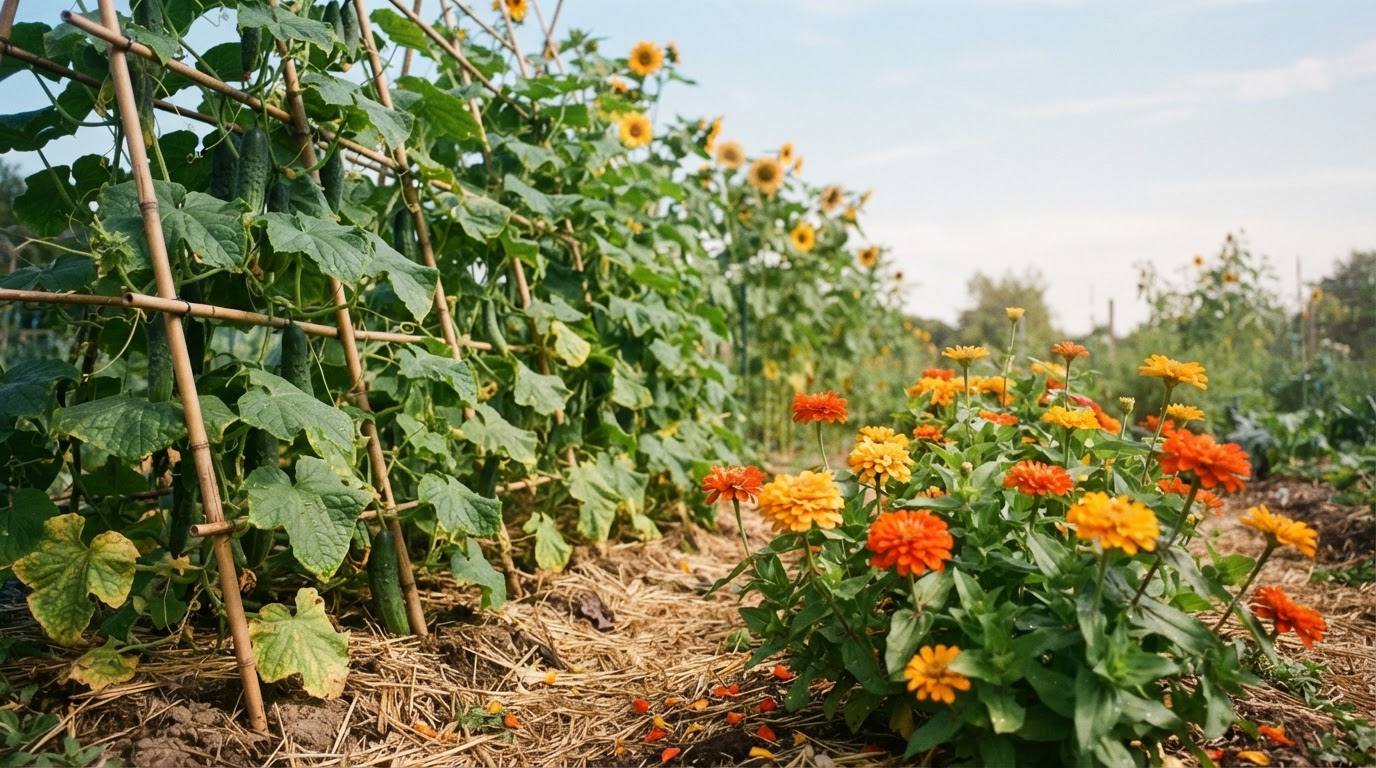
- Zinnias — Extremely heat-tolerant; attract pollinators that benefit nearby vegetable crops.
- Marigolds — Interplant with tomatoes and squash to deter aphids and whitefly.
- Sunflowers — Provide afternoon shade for heat-sensitive crops and attract beneficial insects.
- Nasturtiums — Edible flowers that act as a trap crop for aphids, drawing them away from vegetables.
Protecting Plants from Seasonal Stress
Heat stress in plants shows up in recognizable ways. Wilting during the hottest part of the afternoon is not always a sign of underwatering — many plants temporarily close their stomata and droop to reduce moisture loss, then recover by evening. If a plant is still wilted in the early morning before temperatures rise, that's when to water deeply.
Yellowing lower leaves → Often a sign of nitrogen depletion accelerated by summer heat and heavy watering; top-dress with compost or apply a diluted liquid feed.
Blossom drop on tomatoes and peppers → Typically triggered by nighttime temperatures above 24°C or daytime temperatures above 35°C; improve air circulation and consider temporary shade cloth during heat waves.
Bitter cucumbers → Usually caused by inconsistent watering or heat stress; maintain even soil moisture and harvest frequently.
Sudden bolting in herbs → Triggered by long days and heat; harvest aggressively and pinch flower buds as soon as they appear. For cilantro and dill, succession sowing every 2–3 weeks is more effective than fighting bolting.
Managing bolting is really about accepting the plant's biology rather than fighting it. Annual herbs and leafy greens are genetically programmed to flower and set seed when conditions signal summer. Working with that cycle — harvesting before it happens, sowing heat-tolerant replacements, and letting some plants go to seed for next year — is a more sustainable approach than trying to extend every plant past its natural season.
Seasonal Care Checklist
Use this as a working reference for the summer months, roughly ordered by timing through the season:
- Early summer: Set out tomato, pepper, eggplant, and cucumber transplants once nighttime temperatures stay consistently above 15°C.
- Early summer: Direct sow beans, zucchini, okra, and basil directly into warm soil (soil temp ideally 21°C or above).
- Ongoing: Apply a 5–8 cm mulch layer around all beds and containers; refresh as it breaks down.
- Ongoing: Water deeply 2–3 times per week rather than lightly every day; adjust based on rainfall and container size.
- Ongoing: Pinch basil flower heads weekly; harvest herbs regularly to slow bolting.
- Midsummer: Succession sow fast-maturing crops — beans, dill, cilantro — every 2–3 weeks for continuous harvest.
- Midsummer: Side-dress heavy feeders (tomatoes, squash, corn) with compost or balanced slow-release fertilizer.
- Midsummer: Install shade cloth over heat-sensitive crops during forecast heat waves.
- Late summer: Begin sowing cool-season crops (kale, spinach, carrots, brassicas) 6–8 weeks before your first expected autumn frost date.
- Late summer: Save seeds from bolted herbs and flowers for next season.
Frequently Asked Questions
Can I still start a vegetable garden in midsummer?
Yes, absolutely. Many fast-maturing crops — bush beans, zucchini, cucumbers, and basil — can be direct sown in midsummer and still produce a meaningful harvest before autumn. Focus on varieties with shorter days-to-maturity (under 60 days) and keep new seedlings consistently moist during germination.
How do I know if my plants are heat-stressed or just dry?
Check the soil first. Push your finger 3–4 cm into the soil — if it feels moist, the plant is likely wilting from heat stress rather than drought and will recover on its own by evening. If the soil is dry at that depth, water deeply. Persistent morning wilting (before 9am) is a more reliable sign of underwatering than afternoon drooping.
What's the best way to prevent bolting in herbs?
Harvest frequently and pinch flower buds as soon as they appear. For herbs like cilantro that bolt quickly in heat regardless of what you do, succession sowing every 2–3 weeks is generally more effective than trying to extend a single planting. Choosing slow-bolt varieties when available also helps.
Is it too hot to use fertilizer in summer?
Concentrated liquid fertilizers applied to dry, heat-stressed roots can cause fertilizer burn. It's generally safer to water first, then apply a diluted liquid feed, or to use slow-release granular fertilizers or compost top-dressing. Avoid fertilizing during the hottest part of the day.
Do I need to water container plants differently in summer?
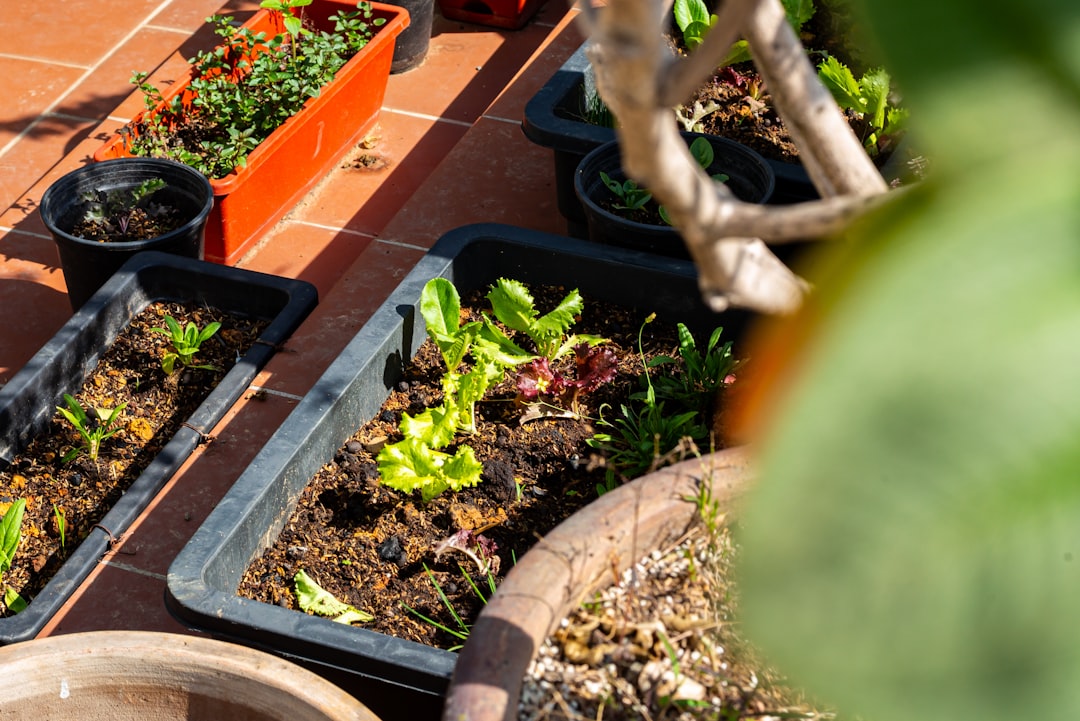
Yes. Containers dry out significantly faster than in-ground beds — sometimes needing water daily or even twice daily during heat waves. Check moisture by lifting the pot (a light pot is dry) or inserting a finger 3–4 cm into the soil. Dark-colored pots absorb more heat and dry out faster; consider grouping containers together to reduce heat exposure.
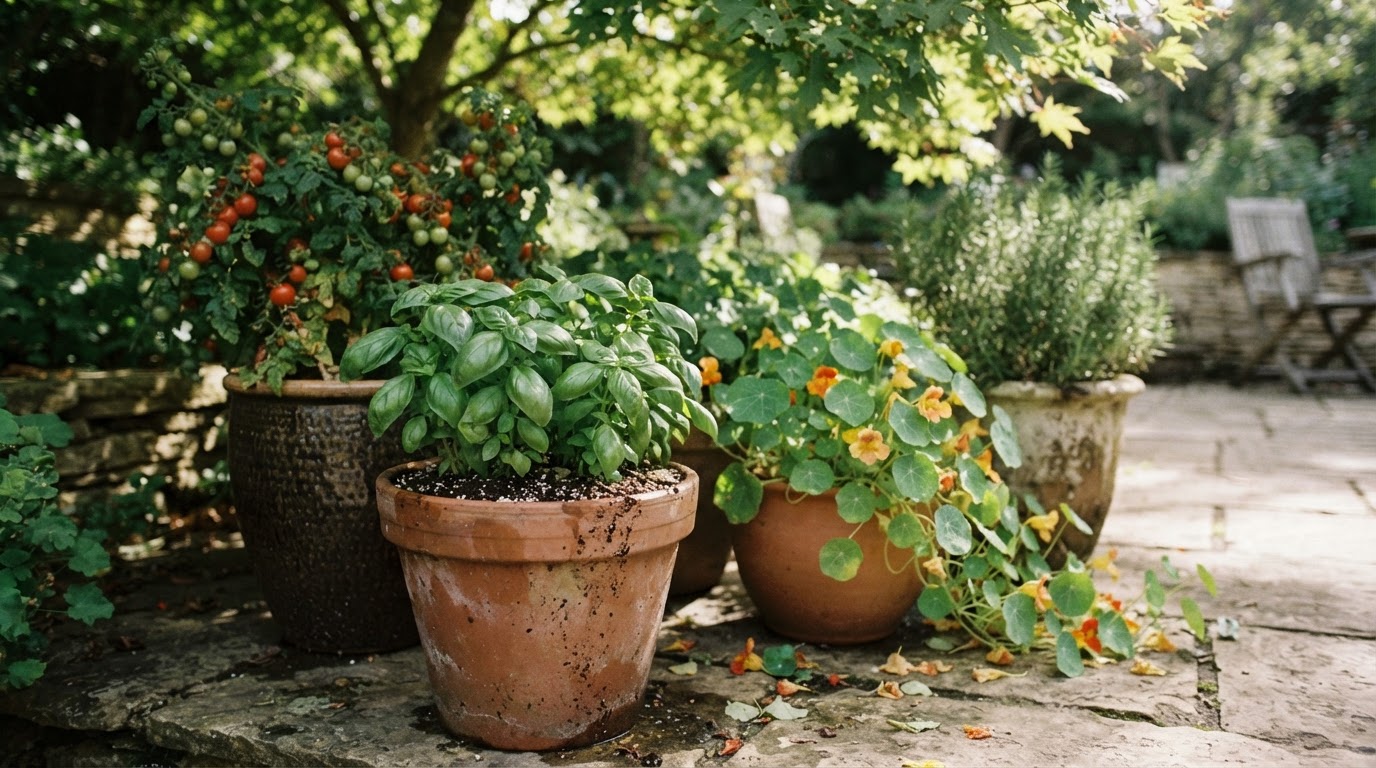
Summer gardening rewards the growers who stay observant and stay flexible. Start with one or two heat-tolerant crops you genuinely want to eat, get your watering and mulching routine established, and build from there. The season is longer than it feels in the first hot week of June.
If you're heading into late summer and thinking about what comes next, planning your autumn sowing schedule now — while the beds are still full — is worth exploring. And if container growing is your main setup, diving deeper into soil mixes and watering strategies for pots can make a real difference in how your summer crops perform.


Comments
Post a Comment