How to Overwinter Tender Plants Indoors: Full Guide
Every autumn, the same quiet anxiety sets in. Temperatures start dipping at night, and you find yourself glancing at the forecast, wondering how long your frost-sensitive plants can stay outside. Overwintering tender plants indoors is one of those skills that feels complicated the first time — but once you understand the timing, the prep work, and how to adjust care through the darker months, it becomes a reliable seasonal rhythm. This guide walks you through every stage, from knowing when to act to easing your plants back outside in spring.

Understanding When to Bring Plants Inside
Timing is everything. Bring tender plants indoors too early and they struggle with the sudden shift from outdoor conditions to dry indoor air. Wait too long and a surprise frost does the damage for you — often overnight, without warning.
The general rule: move frost-sensitive plants inside when nighttime temperatures consistently approach 10°C (50°F), and definitely before the first forecast frost. Many tropical and subtropical species — including hibiscus, bougainvillea, caladiums, and elephant ears — begin showing stress well before actual freezing temperatures arrive. Cold soil chills roots faster than cold air chills foliage, so container plants are especially vulnerable.
Check your local frost date as a rough anchor, but watch the actual forecast more closely. A warm October followed by a sudden cold snap is common in many climates, and that's when plants get caught outside unprepared.
Tip: Set a phone alert for the first week your region historically sees frost. It takes 30 seconds and saves a season's worth of work.
Cleaning and Inspecting Before They Come Inside
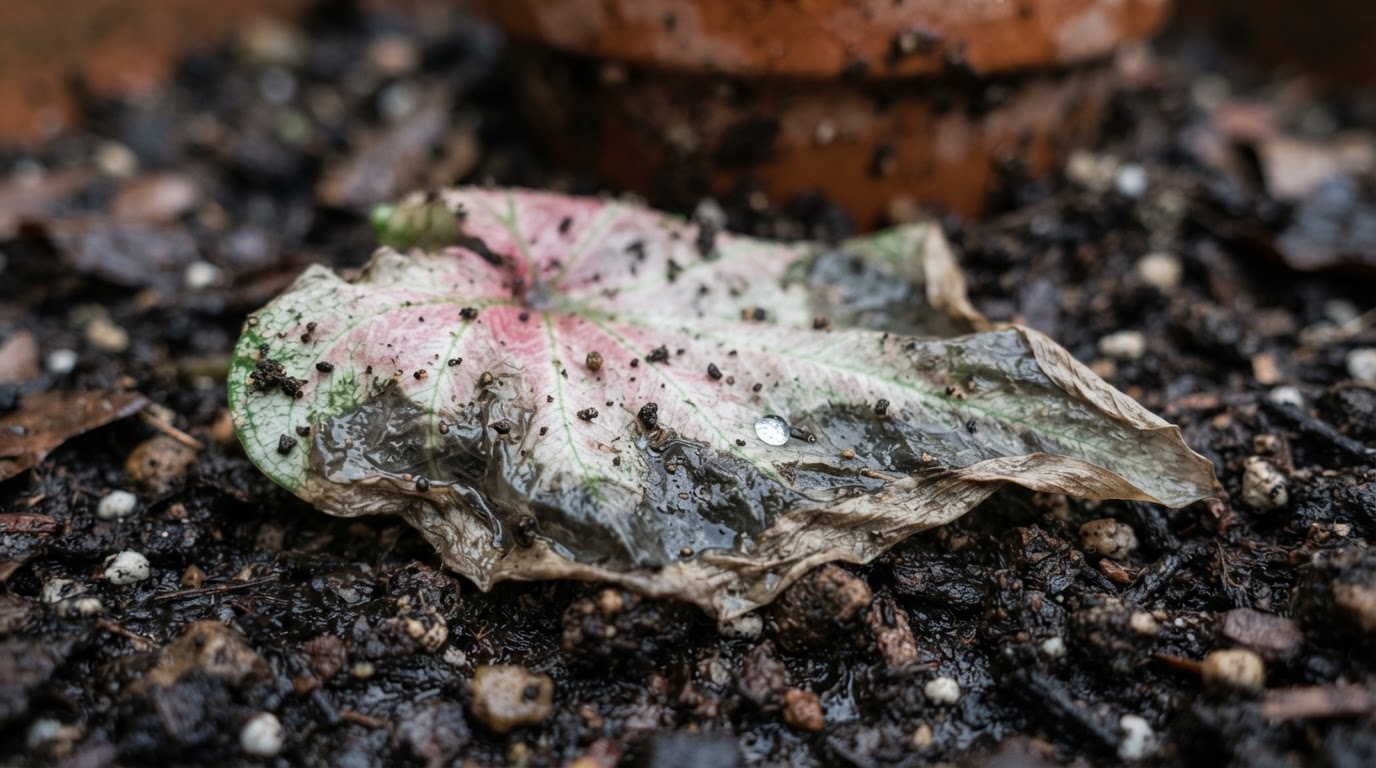
Never bring a plant straight from the garden into your home. Outdoor plants carry hitchhikers — soil-dwelling pests, fungal spores, spider mites, scale insects, and the occasional slug tucked under a pot saucer. A thorough pre-entry inspection is non-negotiable.
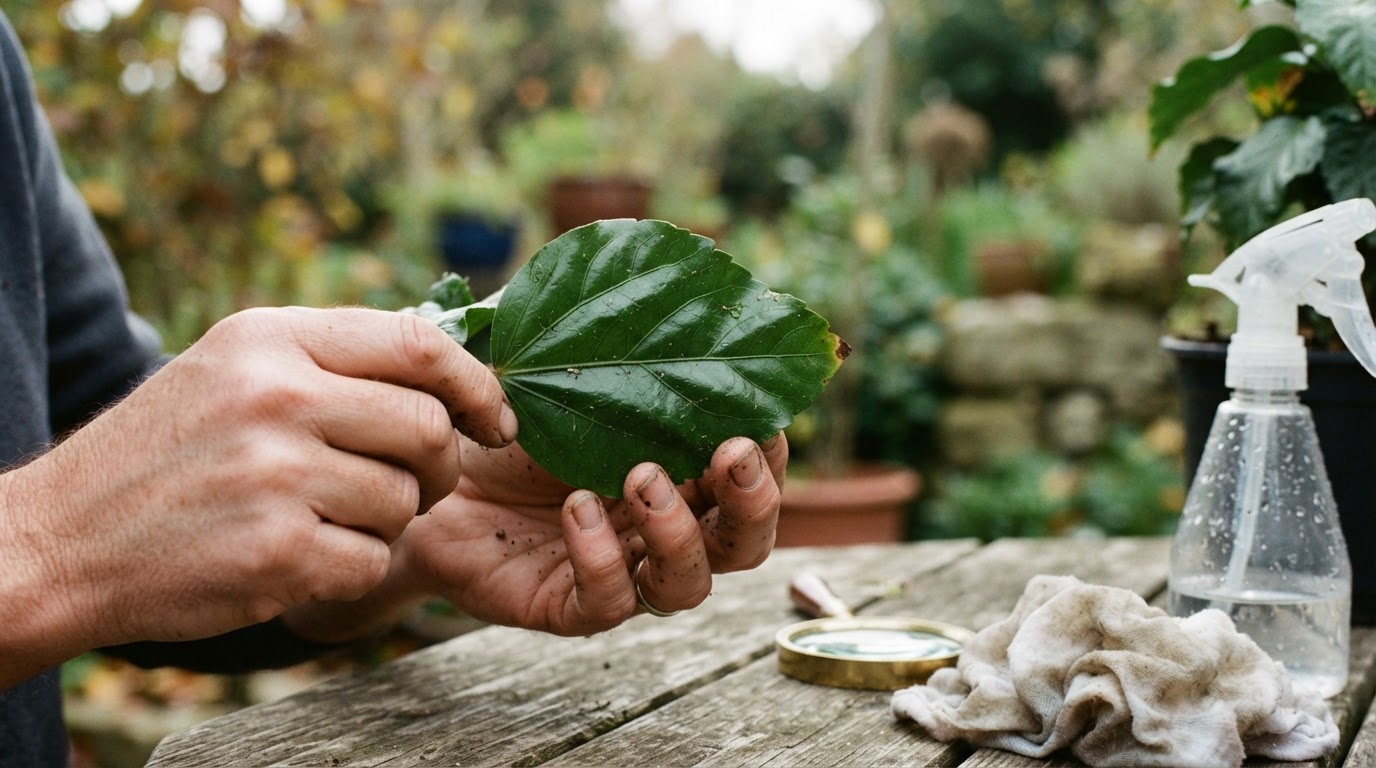
Start outside, in good light. Work through this process methodically:
- Remove dead or yellowing leaves and any spent flowers. These create hiding spots for pests and invite fungal issues indoors.
- Inspect the undersides of leaves carefully — spider mites and scale often cluster there. Check stem joints and new growth tips too.
- Lift the pot and check the drainage holes and saucer for slugs, earwigs, or soil-dwelling larvae.
- Gently knock the pot to dislodge any surface-dwelling insects, then wipe the pot exterior with a damp cloth.
- If you spot any active pest activity, treat the plant before it comes inside — not after.
For a general preventative rinse, many growers find that spraying foliage with a diluted neem oil solution (following product label instructions) before bringing plants in helps reduce the chance of an indoor infestation. Allow the plant to dry fully before moving it inside.
It's also worth checking the soil surface. Fungus gnat larvae live in the top few centimetres of moist soil — if you notice tiny flies around your outdoor plants, let the soil dry out more than usual before the move, or consider replacing the top layer of soil entirely.
Setting Up the Right Indoor Environment
Most tender plants spend their outdoor lives in full or partial sun. Indoors, even a bright south-facing window delivers a fraction of that light intensity. Managing this transition well is what separates plants that simply survive winter from those that come back strong in spring.
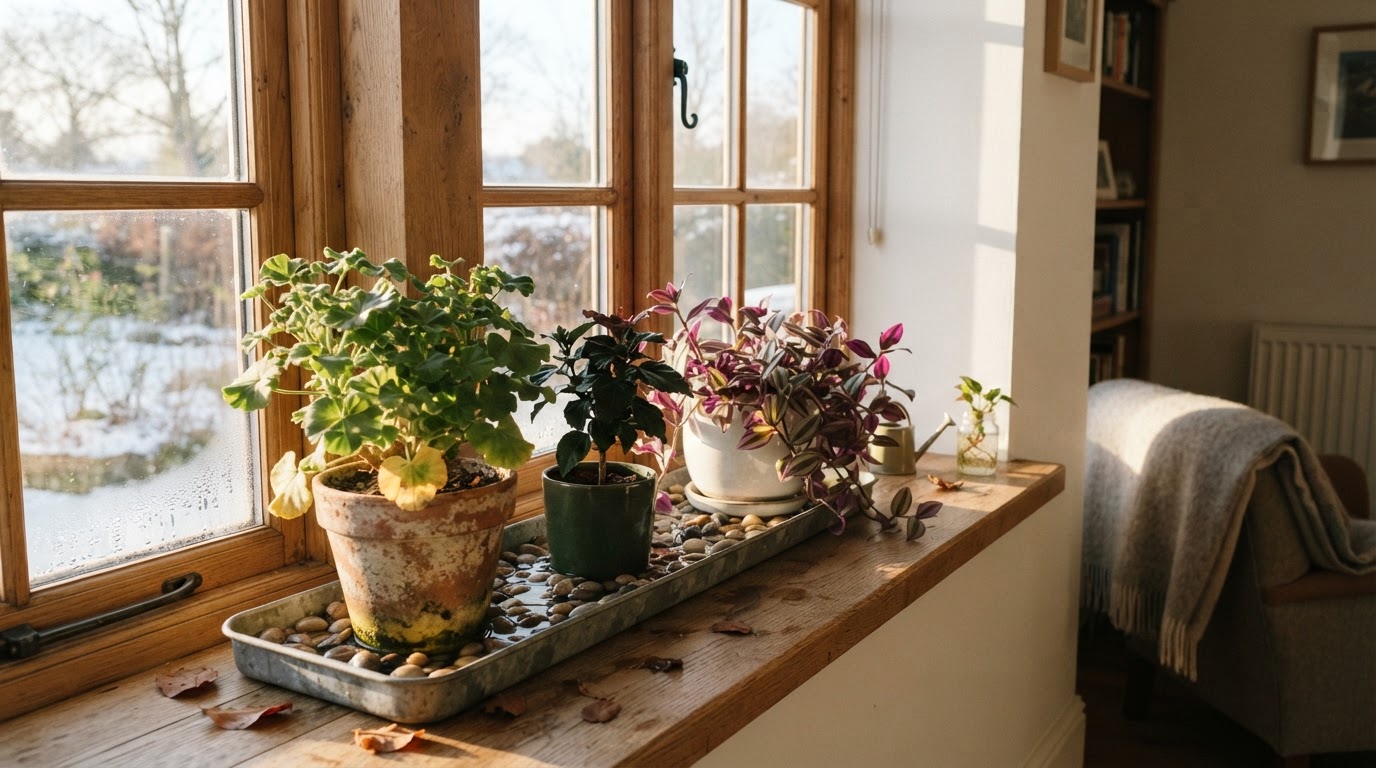
Light is the first priority. Place overwintering plants in the brightest available spot — typically a south or west-facing window in the northern hemisphere. If natural light is genuinely limited, a grow light in the 5000–6500K spectrum range can supplement effectively. Follow manufacturer instructions for distance and duration, and consult a licensed electrician if you need to install new outlets or circuits for multiple lights.
Temperature matters too. Most frost-sensitive plants prefer indoor temperatures between 13–18°C (55–65°F) during winter dormancy — cool enough to slow growth but warm enough to avoid cold stress. Keep plants away from heating vents, which blast dry warm air, and away from cold draughts near single-glazed windows.
Humidity is often the silent struggle. Indoor heating dramatically reduces air moisture, and many tropical plants respond with crispy leaf edges and increased susceptibility to spider mites. Grouping plants together, placing pots on a tray of damp pebbles, or running a small humidifier nearby can all help maintain more comfortable humidity levels.
Adjusting Watering Through the Winter Months
Overwatering is the most common reason overwintered plants decline indoors. Reduced light means slower photosynthesis, which means slower water uptake. A plant that needed watering twice a week outdoors in summer may only need water every ten to fourteen days in a cool, dim indoor winter spot.
The reliable method: water when the top 2–3 cm of soil feels dry to the touch. For larger pots, lift the pot — a noticeably lighter pot signals that moisture has been used up through the root zone. Always water thoroughly until it drains from the bottom, then empty the saucer after 30 minutes to prevent root rot.
One frustrating part of winter care is that soil can look dry on the surface while remaining quite wet deeper down, especially in dense or peat-heavy mixes. A simple wooden skewer inserted into the soil and left for a minute can reveal actual moisture levels more accurately than surface touch alone.
Fertilizing should largely stop or be significantly reduced from late autumn through midwinter. Without adequate light to drive growth, feeding a dormant or semi-dormant plant pushes weak, leggy growth and can cause salt buildup in the soil. Resume a diluted feeding schedule in late winter as day length begins to increase noticeably.
Managing Common Winter Problems
Even well-prepared plants can run into trouble indoors. Knowing what to look for early makes the difference between a quick fix and losing the plant entirely.
Yellowing lower leaves: Often normal as the plant adjusts to lower light. If widespread, check for overwatering or root rot.
Leggy, pale new growth: A clear sign of insufficient light. Move the plant closer to the window or add supplemental grow lighting.
Crispy leaf edges: Usually low humidity or proximity to a heat source. Move the plant away from vents and increase ambient moisture.
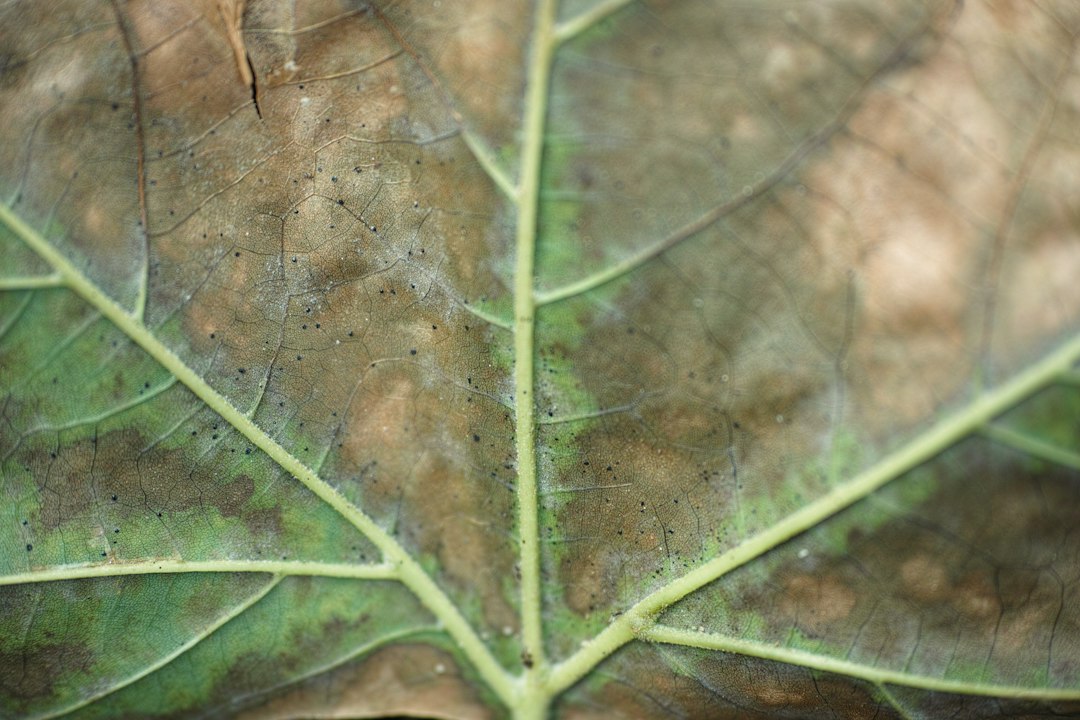
Sticky residue or fine webbing on leaves: Inspect closely for scale insects or spider mites. Treat promptly with an appropriate method before the infestation spreads to neighbouring plants.
Sudden leaf drop: Often caused by a dramatic temperature or light change during the transition indoors. Most plants stabilise within two to three weeks once conditions are consistent.
- Isolate any newly brought-in plant for at least one to two weeks before placing it near other houseplants.
- Check all overwintering plants weekly — a quick visual scan takes less than five minutes and catches problems early.
- Avoid repotting during winter unless root rot forces the issue. Repotting stresses plants and encourages growth the plant cannot sustain in low light.
Seasonal Care Checklist: Autumn Through Spring
Use this as a working reference rather than a rigid schedule — every home and every plant is slightly different.
- Early autumn: Monitor nighttime temperatures. Identify which plants need to come inside and prepare their indoor spots.
- Before first frost: Clean, inspect, and treat plants for pests. Allow foliage to dry before moving indoors.
- First two weeks indoors: Keep plants isolated from existing houseplants. Observe for stress signs or pest activity.
- Midwinter: Reduce watering frequency. Stop or significantly reduce fertilizing. Check humidity levels regularly.
- Late winter (as days lengthen): Resume a diluted fertilizing schedule. Begin watering slightly more frequently as light increases.
- Early spring (after last frost risk): Begin hardening off — move plants outside for a few hours daily, gradually increasing exposure over one to two weeks before leaving them out permanently.
Hardening off in spring is just as important as the autumn transition. A plant that has spent months in filtered indoor light will sunburn quickly if moved directly into full outdoor sun. Start with a shaded or dappled spot and increase sun exposure gradually over ten to fourteen days.

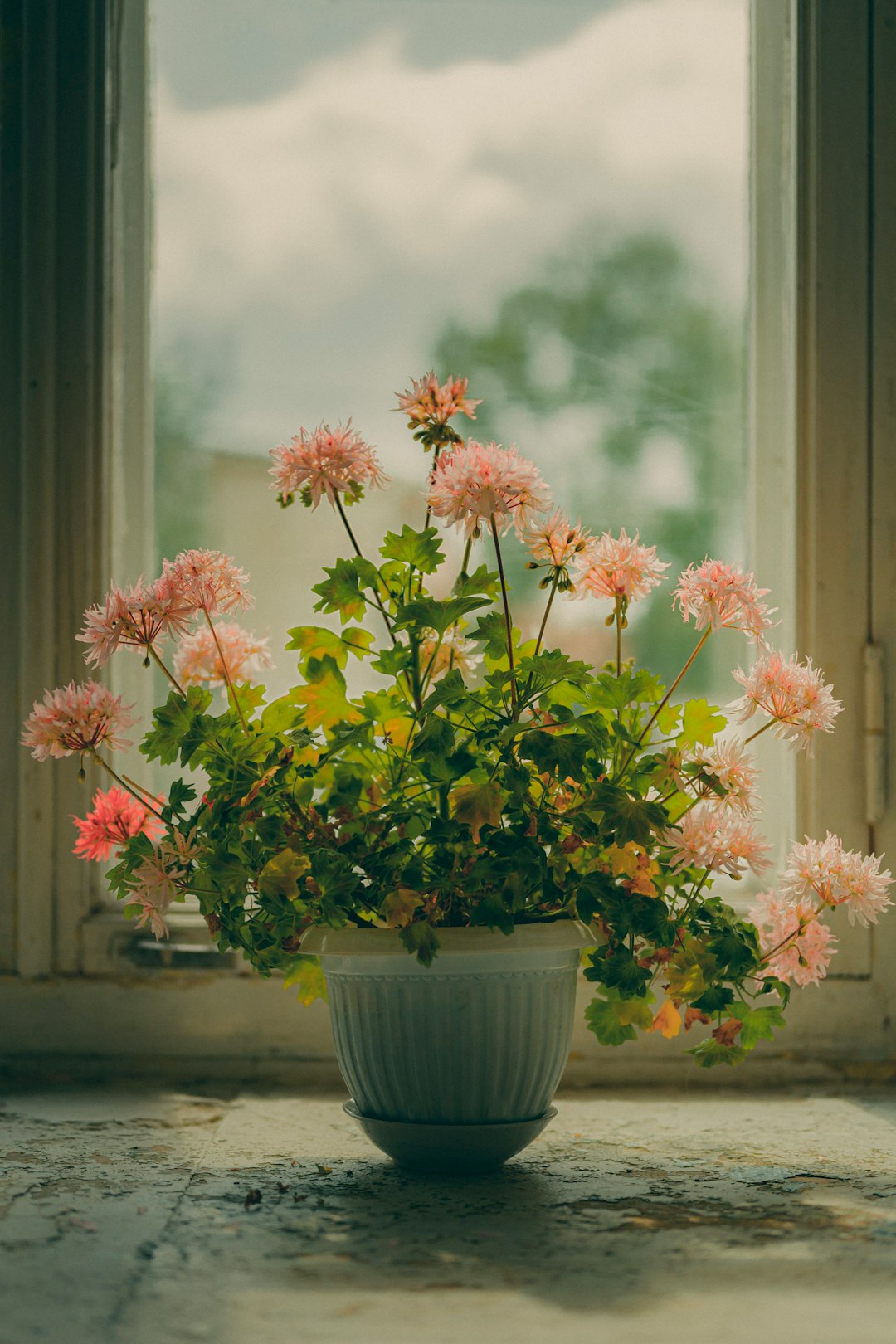
Bringing tender plants through winter successfully is genuinely satisfying — there is something quietly rewarding about watching a geranium or a hibiscus push out its first new leaves in late February, proof that the effort was worth it. Start this season by identifying your most frost-sensitive plants and preparing their indoor spots before the first cold night catches you off guard. If you are also thinking about what to do with bulbs and tubers like dahlias and cannas, that is a closely related topic worth exploring alongside this one.


Comments
Post a Comment