Balcony Vegetable Garden Ideas for Beginners
A balcony vegetable garden sounds ambitious until you realize how little space you actually need. Even a narrow railing, a few square meters of floor space, and a handful of containers can produce real, edible harvests — cherry tomatoes, herbs, lettuce, even compact peppers. The challenge isn't space. It's knowing where to start. This guide walks you through everything: how to plan your balcony layout, which containers actually work, what crops suit limited conditions, and how to keep plants fed and watered without it becoming a daily chore.
Planning Your Balcony Space
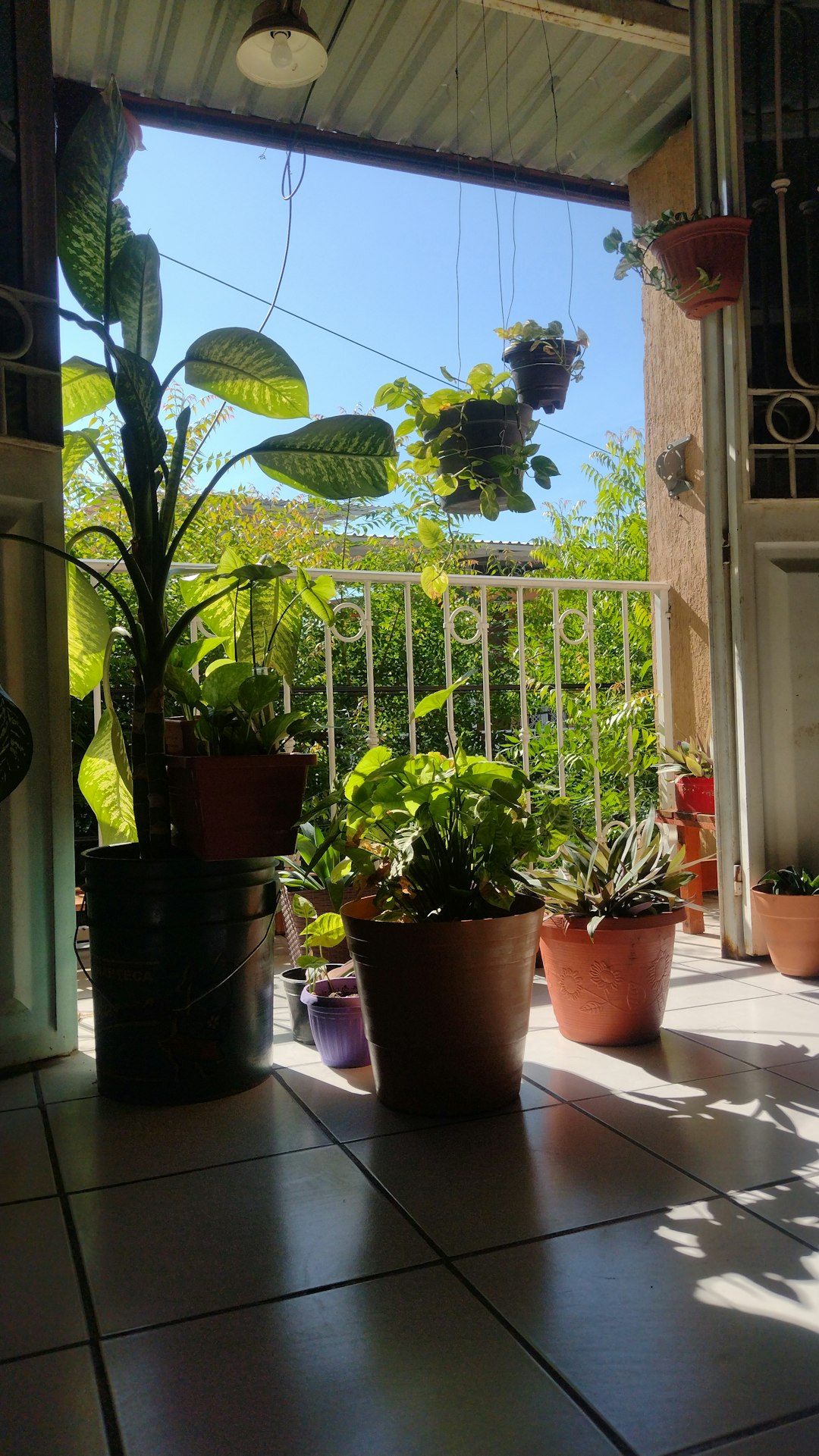
Before buying a single pot, spend a few days observing your balcony. How many hours of direct sun does it receive? Which direction does it face? These two factors determine almost everything — what you can grow, how often you'll water, and where to position your containers.
A south-facing balcony receiving six or more hours of direct sun daily opens up the widest range of crops: tomatoes, peppers, courgettes, beans. East or west-facing balconies with four to six hours of sun suit leafy greens, herbs, and radishes well. North-facing balconies are genuinely limiting for fruiting vegetables, though shade-tolerant crops like spinach, mint, and some lettuces can still produce reasonably.
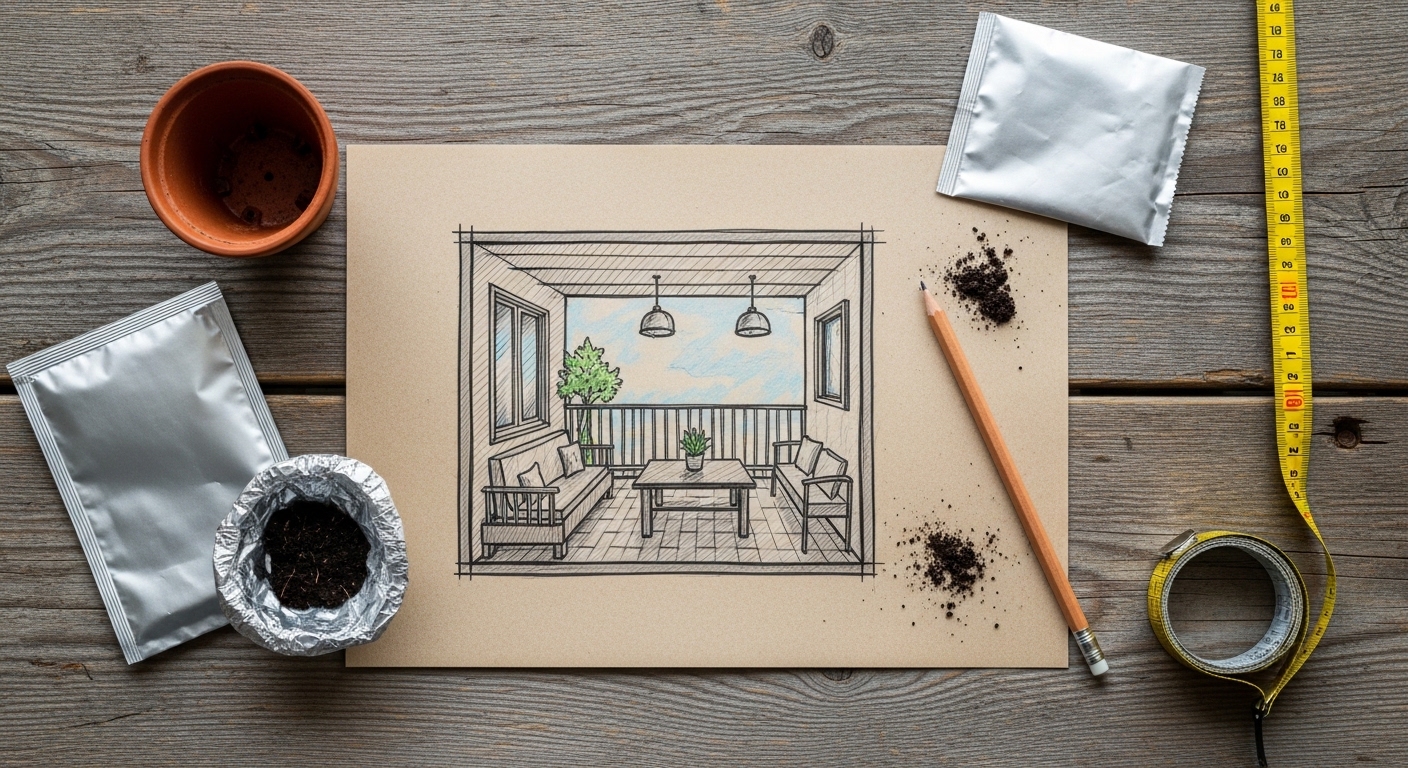
Sketch a rough layout before you shop. Think about:
- Floor space available without blocking access or fire exits
- Weight limits — check with your building if unsure, as wet soil is surprisingly heavy
- Wind exposure, which increases water loss and can damage tall plants
- Proximity to a water source or tap
Many growers underestimate wind on upper-floor balconies. Even on calm days, consistent airflow dries out containers faster than expected — factor this into your watering rhythm from the start.
Best Containers and Setup Ideas
Container choice matters more than most beginners expect. The right pot size, material, and drainage setup can be the difference between a plant that produces well and one that stalls out by midsummer.
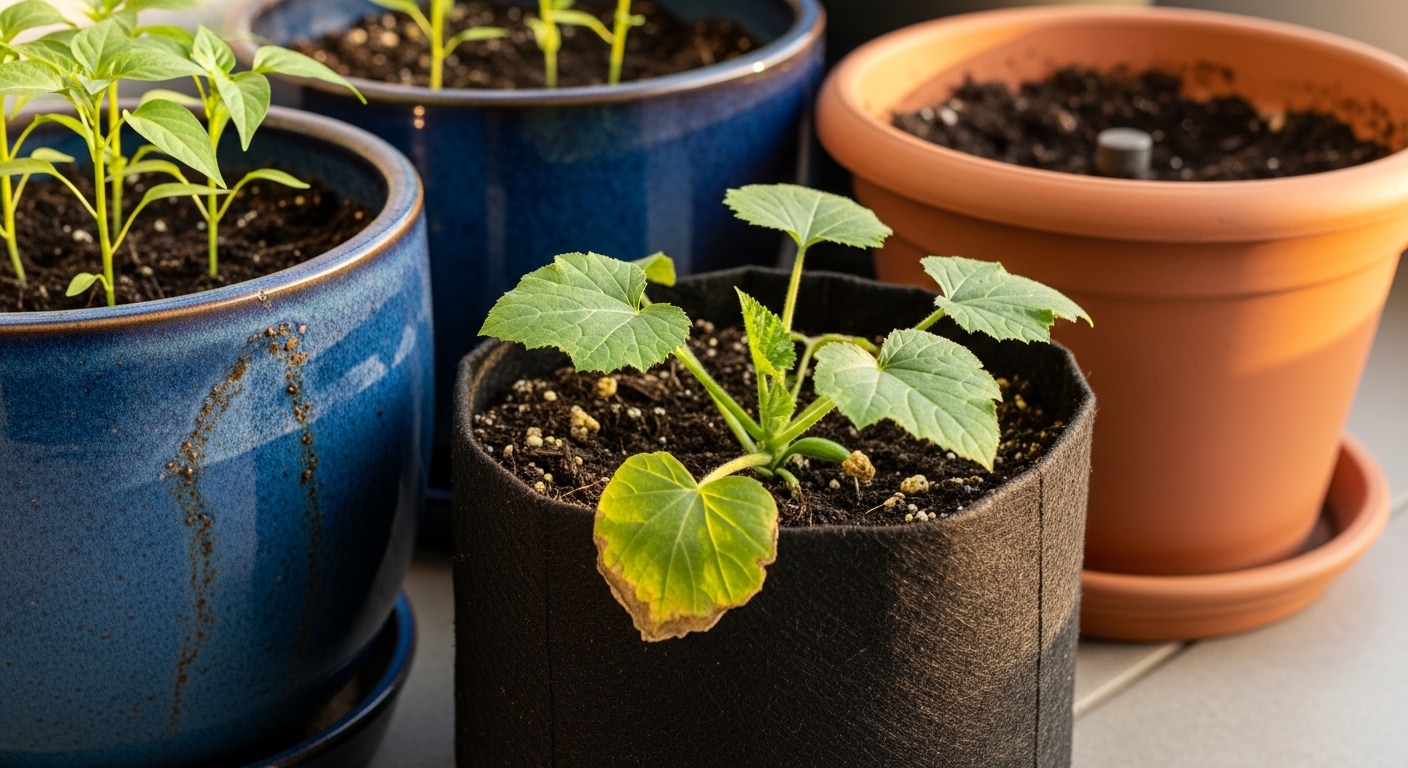
For most fruiting vegetables — tomatoes, peppers, courgettes — aim for containers with a minimum volume of 10–15 litres. Smaller pots dry out too quickly and restrict root development. Leafy greens and herbs can do well in shallower containers of 5–8 litres, making them ideal for railing planters and window boxes.
Material considerations:
- Terracotta: breathable and attractive, but dries out faster — requires more frequent watering in warm weather
- Glazed ceramic: retains moisture longer, heavier, good for balconies with some wind protection
- Fabric grow bags: excellent drainage and air pruning of roots, lightweight, easy to store off-season
- Plastic containers: affordable, lightweight, retain moisture well — less aesthetically editorial but highly practical
- Wooden crates or boxes: good insulation for roots, work well lined with landscape fabric
Whatever you choose, drainage holes are non-negotiable. Sitting water in the base of a container leads to root rot quickly, especially in heavier potting mixes. Elevate pots slightly on feet or bricks to allow free drainage and airflow beneath.
Best Crops for a Small Balcony Garden
The most productive balcony gardens focus on high-yield, compact varieties rather than trying to replicate a full allotment. Choose crops that give you the most harvest per square metre of container space.
Top performers for beginners:
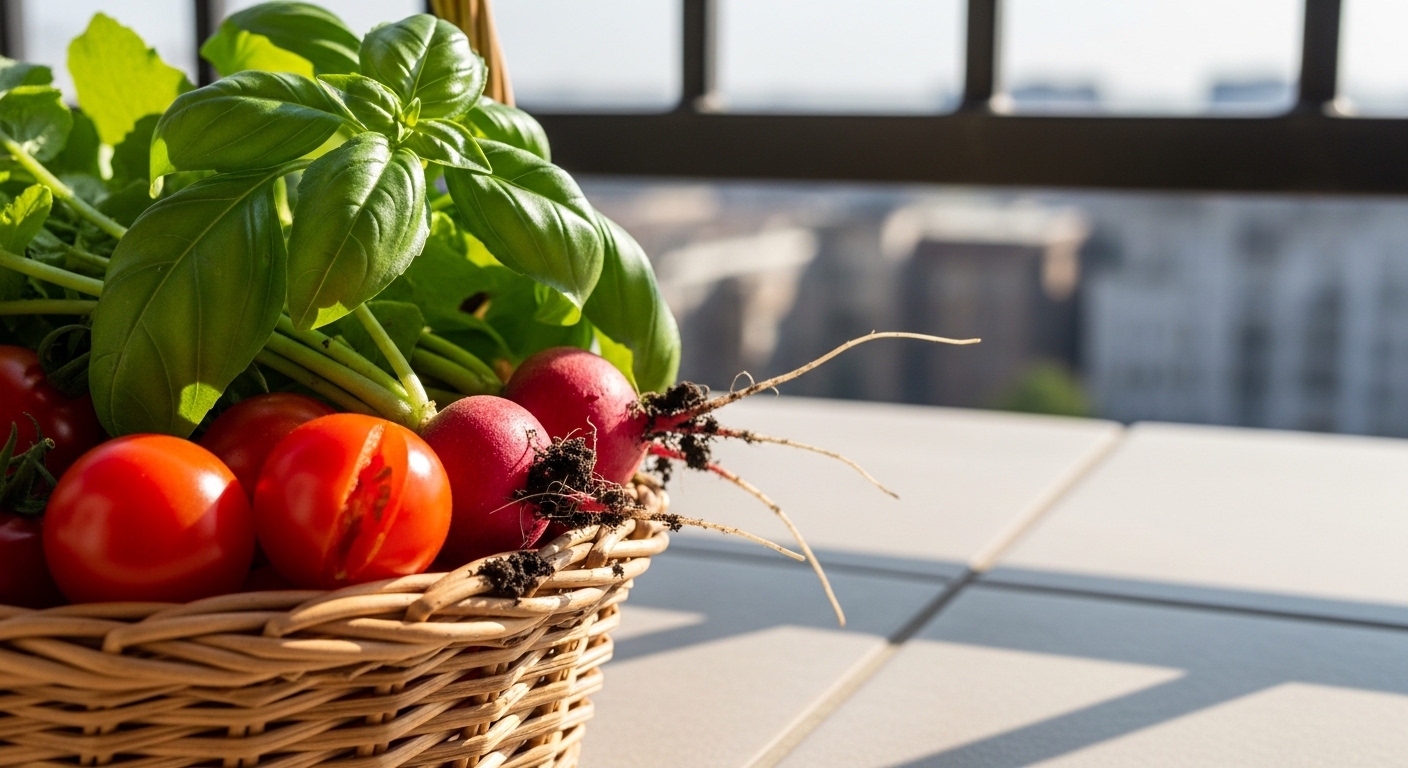
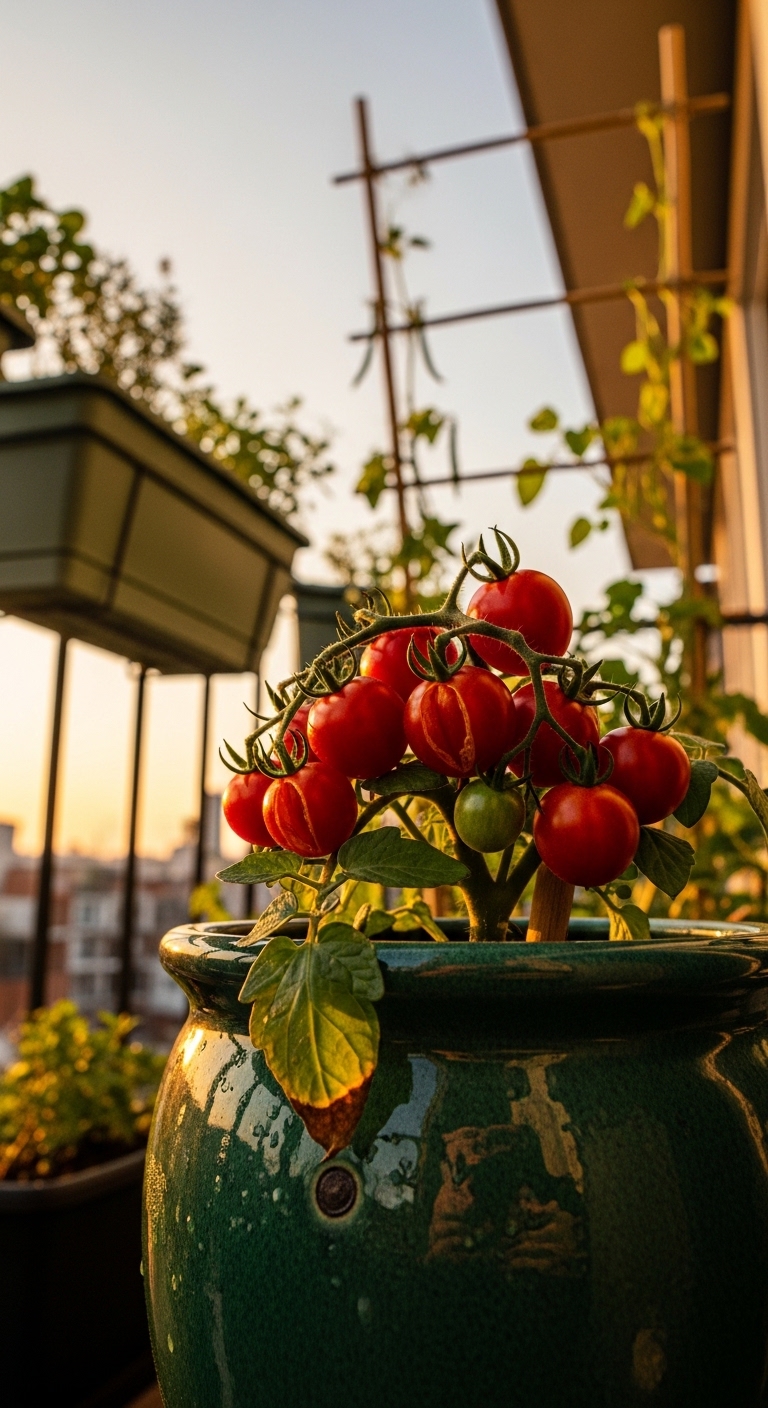
- Cherry tomatoes (e.g., Tumbling Tom, Balcony Red): bred for container growing, prolific fruiting, manageable height with support
- Basil, parsley, chives: fast-growing, cut-and-come-again, rewarding even in small pots
- Cut-and-come-again lettuce and spinach: harvest outer leaves and the plant keeps producing for weeks
- Radishes: ready in as little as 25 days, excellent use of shallow containers between larger plants
- Dwarf French beans: compact, no staking needed, productive in a 10-litre pot
- Compact peppers (e.g., Mohawk, Redskin): well-suited to container life, love reflected heat from walls
- Spring onions: minimal space, quick turnaround, can be succession-sown every few weeks
Avoid crops that sprawl or need deep root runs unless you have the space: full-sized pumpkins, sweetcorn, and large brassicas rarely reward the effort in containers. One frustrating part of balcony growing is learning this through trial and error — compact varieties exist for almost every crop, and they genuinely outperform their full-sized counterparts in pots.
Watering and Nutrition in Containers
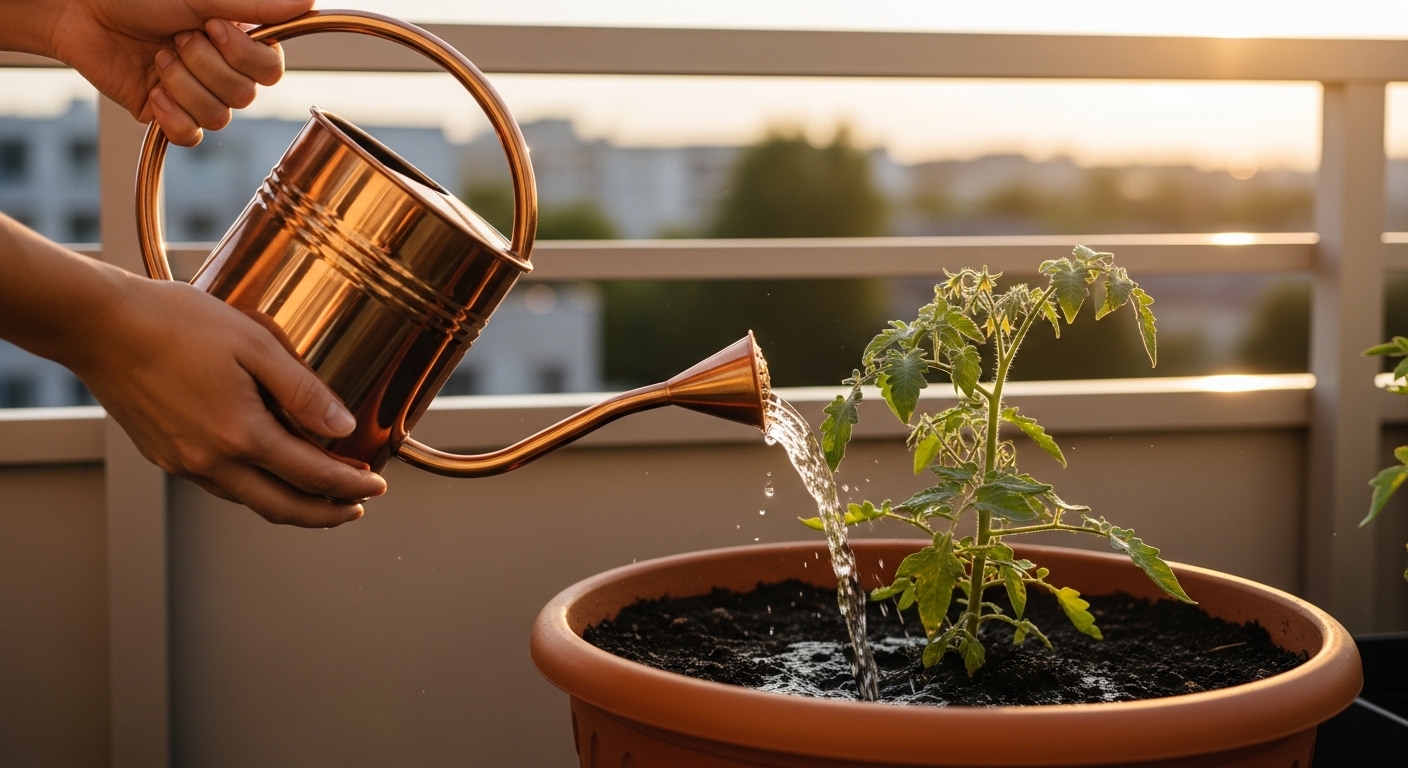
Container vegetables dry out faster than garden beds — sometimes dramatically so on warm, breezy days. Getting watering right is the single most important skill in balcony vegetable growing.
A reliable rule: check the top 2–3 cm of potting mix. If it feels dry to the touch, water thoroughly until it drains freely from the base. For most vegetables in summer, this means watering once daily or even twice during heatwaves. In cooler spring or autumn conditions, every two to three days may be sufficient.
Nutrition matters more in containers than in open ground, because nutrients leach out with every watering. A good approach:
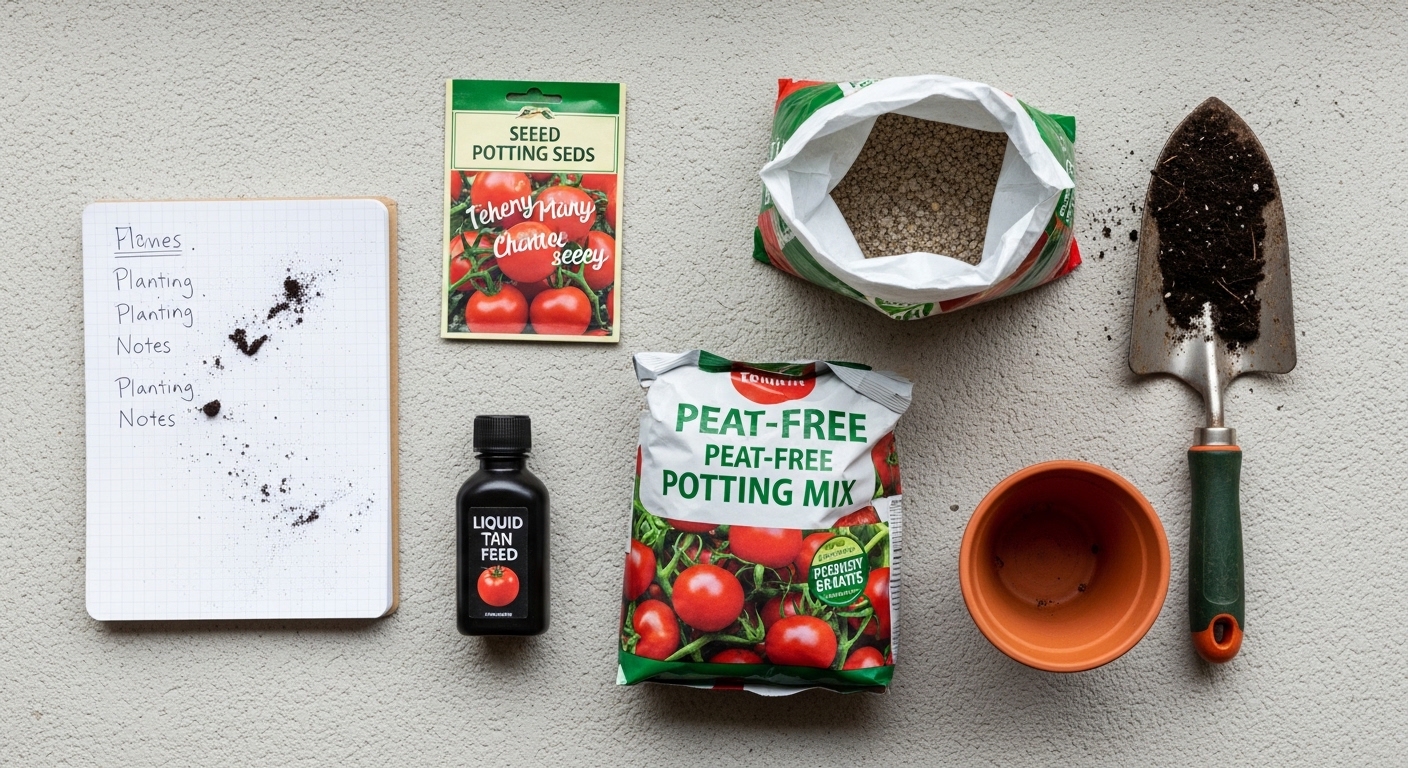
- Start with a quality peat-free potting mix that includes some slow-release fertiliser
- Begin liquid feeding six to eight weeks after potting, once the initial nutrients are depleted
- For leafy crops, use a balanced liquid feed (equal nitrogen, phosphorus, potassium) every two weeks
- For fruiting crops like tomatoes and peppers, switch to a higher-potassium feed once flowers appear — this supports fruit development
- Avoid over-feeding with nitrogen on fruiting plants, which tends to produce abundant foliage at the expense of fruit
Self-watering containers with built-in reservoirs can significantly reduce the daily watering burden — worth considering if you travel frequently or have a particularly exposed balcony.
Maximizing Vertical Space
Vertical growing is where small balcony gardens genuinely punch above their weight. When floor space runs out, the walls, railings, and overhead structures become productive real estate.
Practical vertical growing approaches for balconies:
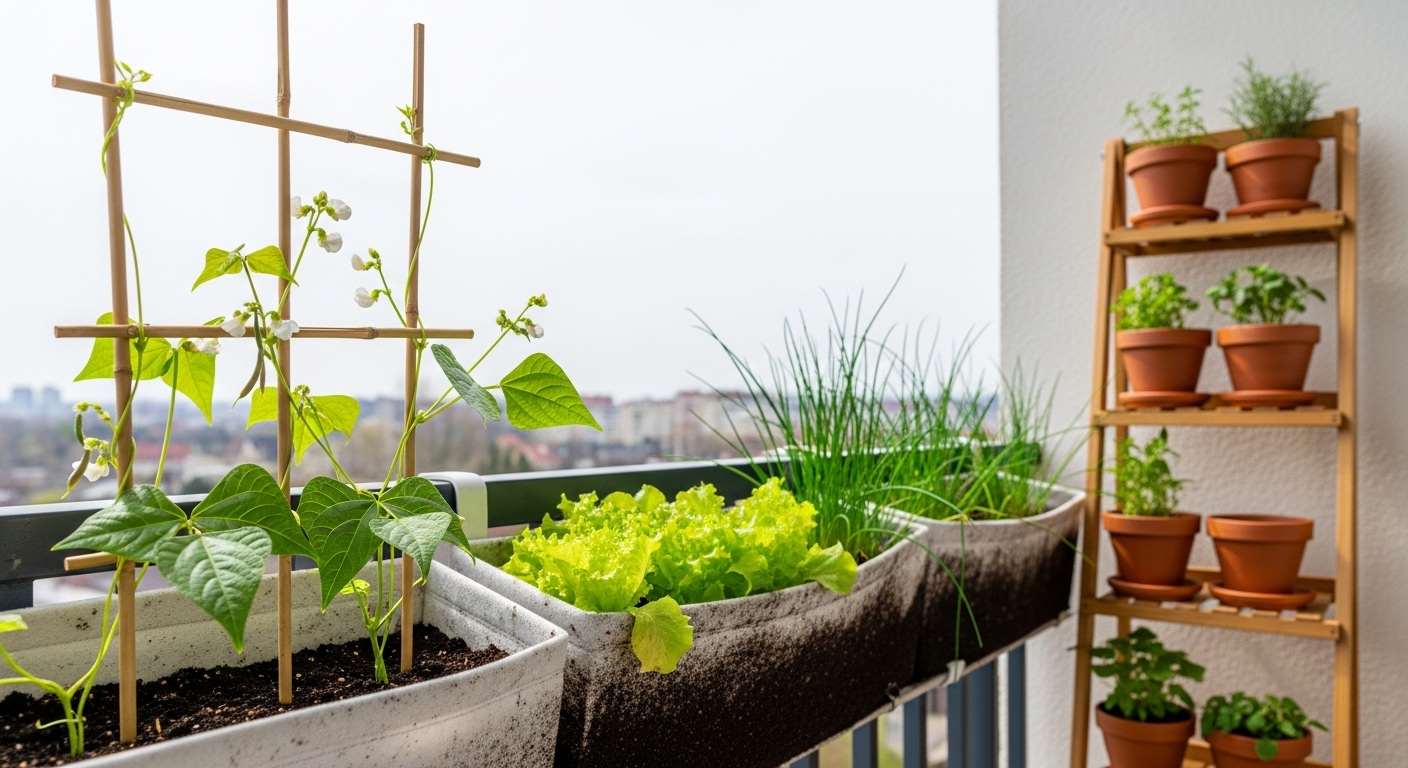
- Railing planters: hook-on fabric or plastic planters attach directly to balcony railings — ideal for herbs, lettuce, and strawberries
- Tiered plant stands: stack multiple containers at different heights, maximizing sun exposure for each level
- Wall-mounted pocket planters: felt or fabric pocket systems fix to walls and suit herbs, small lettuces, and edible flowers
- Bamboo cane or trellis structures: support climbing beans, peas, or even compact cucumber varieties trained upward rather than outward
- Grow towers: stacked planting columns work well for strawberries and herbs, though they require consistent watering as the top sections dry out first
When training climbing plants vertically, tie stems loosely to supports as they grow — avoid tight ties that can restrict stem development. Many growers find that dwarf climbing beans on a simple bamboo tripod in a 12-litre pot produce surprisingly well, taking up minimal floor space while growing upward to 90–120 cm.
Keep sun access in mind when positioning vertical structures. Taller plants and trellises should generally sit at the back or north side of your balcony layout so they don't shade smaller containers in front.
Beginner-Friendly Setup Checklist
Use this checklist to work through your setup in a logical sequence — from observation to first harvest.
- Observe your balcony for sun hours over two to three days before buying anything
- Check your building's weight limit guidelines if you plan to use multiple large containers
- Choose two or three container types suited to your budget and aesthetic
- Source a quality peat-free potting mix with added perlite for drainage
- Select three to five beginner-friendly crops matched to your sun levels
- Set up vertical structures before planting so you don't disturb roots later
- Establish a watering routine — check soil moisture daily in warm weather
- Begin liquid feeding six to eight weeks after planting
- Succession-sow fast crops like radishes and lettuce every two to three weeks for continuous harvest
- Keep a simple notebook of what worked, what didn't, and what to try next season
Yellowing lower leaves on tomatoes or peppers: often a sign of nitrogen deficiency after several weeks in the same potting mix — begin a balanced liquid feed and reassess sun exposure.
Wilting despite moist soil: may indicate root rot from poor drainage or overwatering — check that drainage holes are clear and consider repotting into fresh mix.
Leggy, pale seedlings: a reliable sign of insufficient light — move containers to the sunniest available position or consider a compact grow light for indoor starting. Follow manufacturer instructions and consult a licensed electrician if any hardwired installation is needed.
Starting a balcony vegetable garden doesn't require a large investment or a perfect setup. Pick one or two containers, choose crops matched to your actual sun conditions, and let the first season be a learning experience rather than a performance. The most useful thing you can do right now is spend a day watching how light moves across your balcony — that single observation shapes every decision that follows. If you find yourself drawn to growing upward as your confidence builds, exploring vertical herb gardens and compact climbing varieties is a natural next step worth looking into.


Comments
Post a Comment