Aloe Vera Care Guide: Growing the Healing Plant
Aloe vera is one of those plants that seems almost impossible to kill — until you overwater it once and watch the whole rosette collapse from the base. If you've brought home an aloe and aren't quite sure what it needs, you're not alone. This aloe vera care guide covers everything from light and watering to harvesting gel safely and keeping root rot at bay. The good news: once you understand how this plant thinks, it practically takes care of itself.
Species Overview & Origin
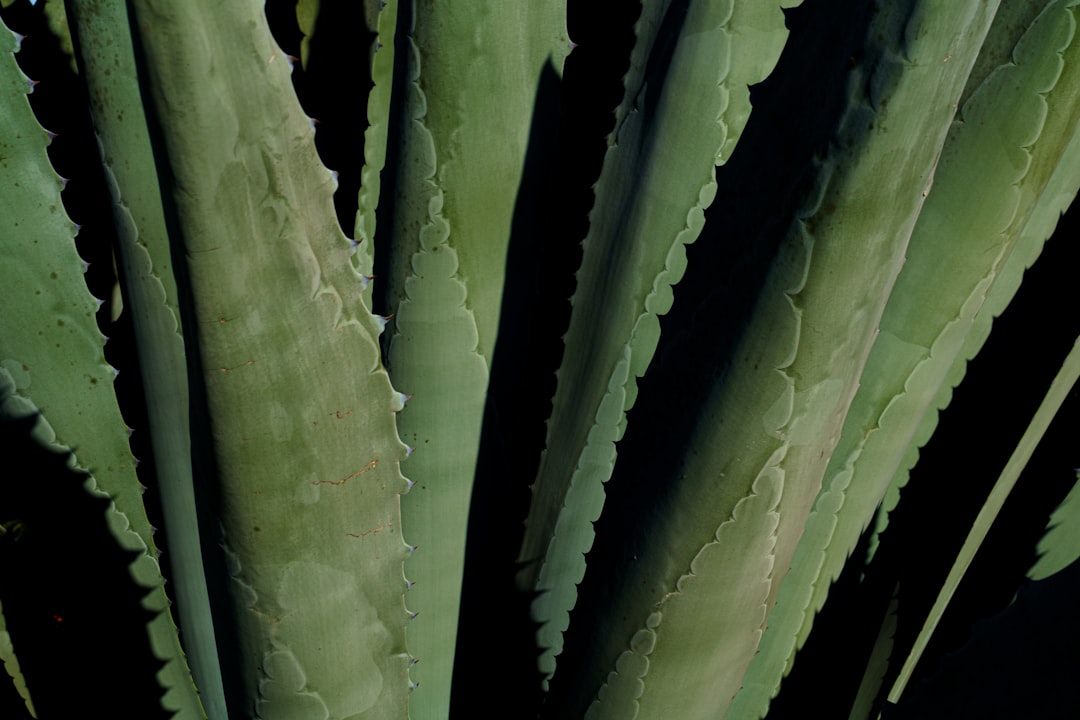
Aloe vera (Aloe barbadensis miller) is a succulent perennial native to the Arabian Peninsula, though it has naturalized across North Africa, the Mediterranean, and the Canary Islands over centuries of cultivation. It belongs to the family Asphodelaceae and stores water in its thick, gel-filled leaves — a survival strategy shaped by hot, arid environments with long dry seasons.
The plant grows as a stemless or short-stemmed rosette, typically reaching 60–90 cm in height at maturity indoors. Its leaves are grey-green to bright green, often with pale mottling when young, and lined with small, soft serrations along the margins. Mature plants may produce a tall flower spike bearing tubular yellow or orange blooms, though this is relatively rare in indoor conditions.
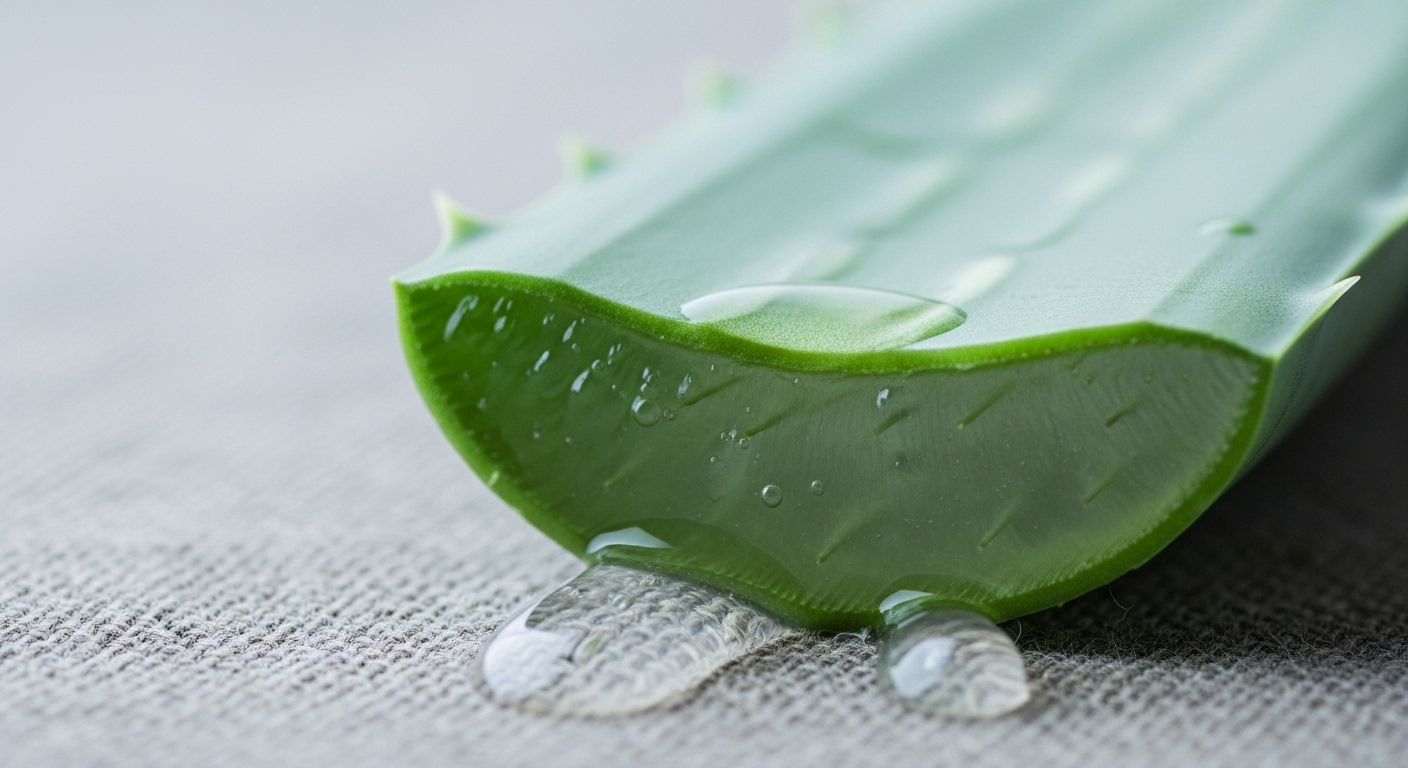
What makes aloe vera genuinely useful around the home is the clear, mucilaginous gel inside each leaf. It has been used for centuries in traditional medicine and skincare, and many growers keep a pot on the kitchen windowsill specifically for minor burns and skin irritation. It's generally considered non-toxic to humans, though ingestion of the latex layer (the yellow sap just beneath the skin) can cause digestive upset — always check the ASPCA website for up-to-date guidance on pet safety.
Light & Temperature Needs
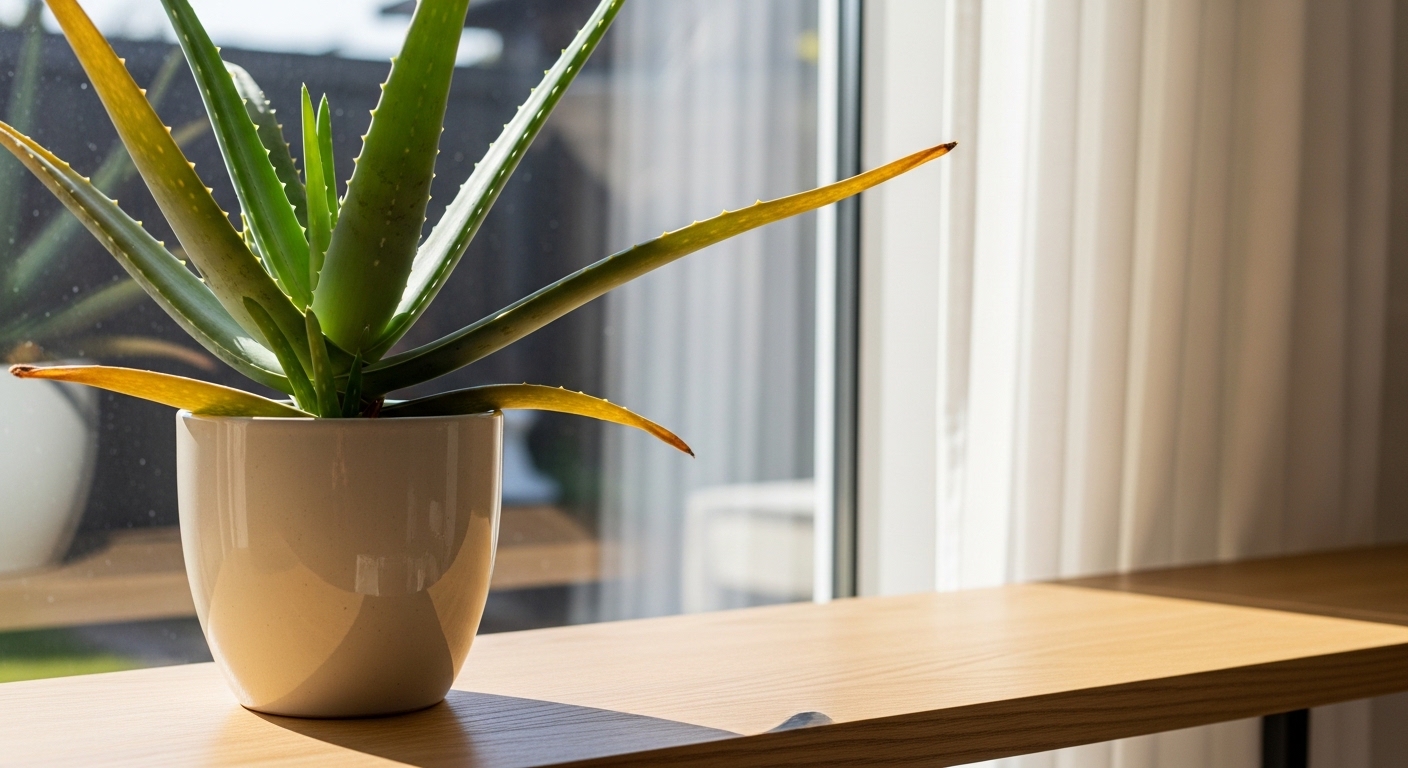
Aloe vera grows best in bright, indirect light with several hours of direct sun each day. A south- or east-facing windowsill generally works well indoors. Aim for at least four to six hours of bright light daily — less than that and the plant tends to etiolate, stretching its leaves outward and losing the compact, upright form that signals good health.
Direct midday sun through glass can occasionally scorch the leaves, leaving pale, papery patches that won't recover. Morning sun is usually gentler and well-tolerated. If you're growing aloe outdoors in summer, a spot with morning sun and afternoon shade tends to suit it well. Many growers find that moving aloe gradually from indoors to a sunny outdoor position — rather than all at once — prevents sun stress.
Temperature-wise, aloe vera is comfortable between 13°C and 27°C (55°F–80°F). It can tolerate brief dips toward 5°C but is not frost-hardy. Keep it away from cold draughts, air conditioning vents, and single-glazed windows in winter. Growth slows considerably below 10°C, which is normal — the plant is simply resting.
Watering & Humidity Guide
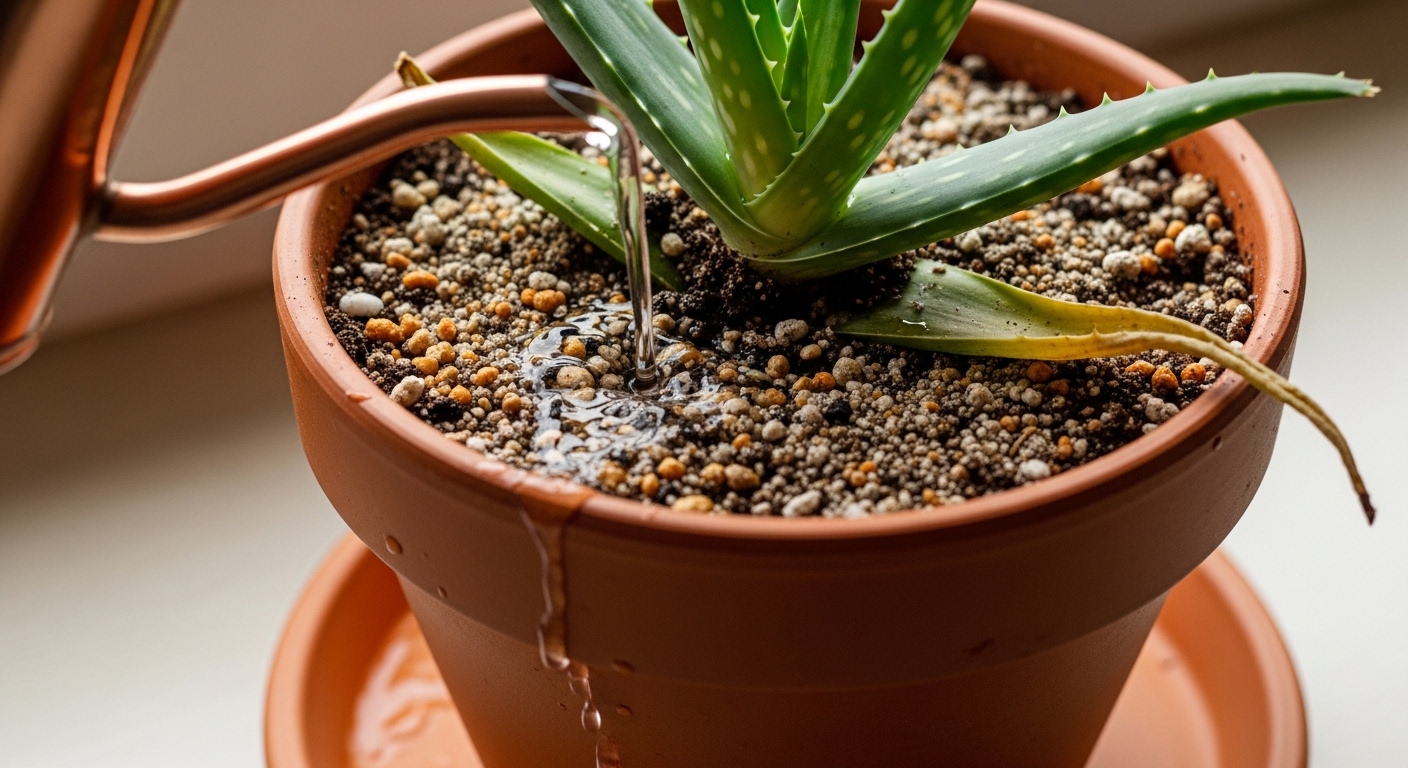
Water aloe vera deeply but infrequently. Allow the soil to dry out completely between waterings — check by pushing your finger 3–4 cm into the soil. If it still feels even slightly cool or damp, wait. In active growing months (spring through early autumn), this typically means watering every 10–14 days. In winter, once every three to four weeks is usually sufficient.
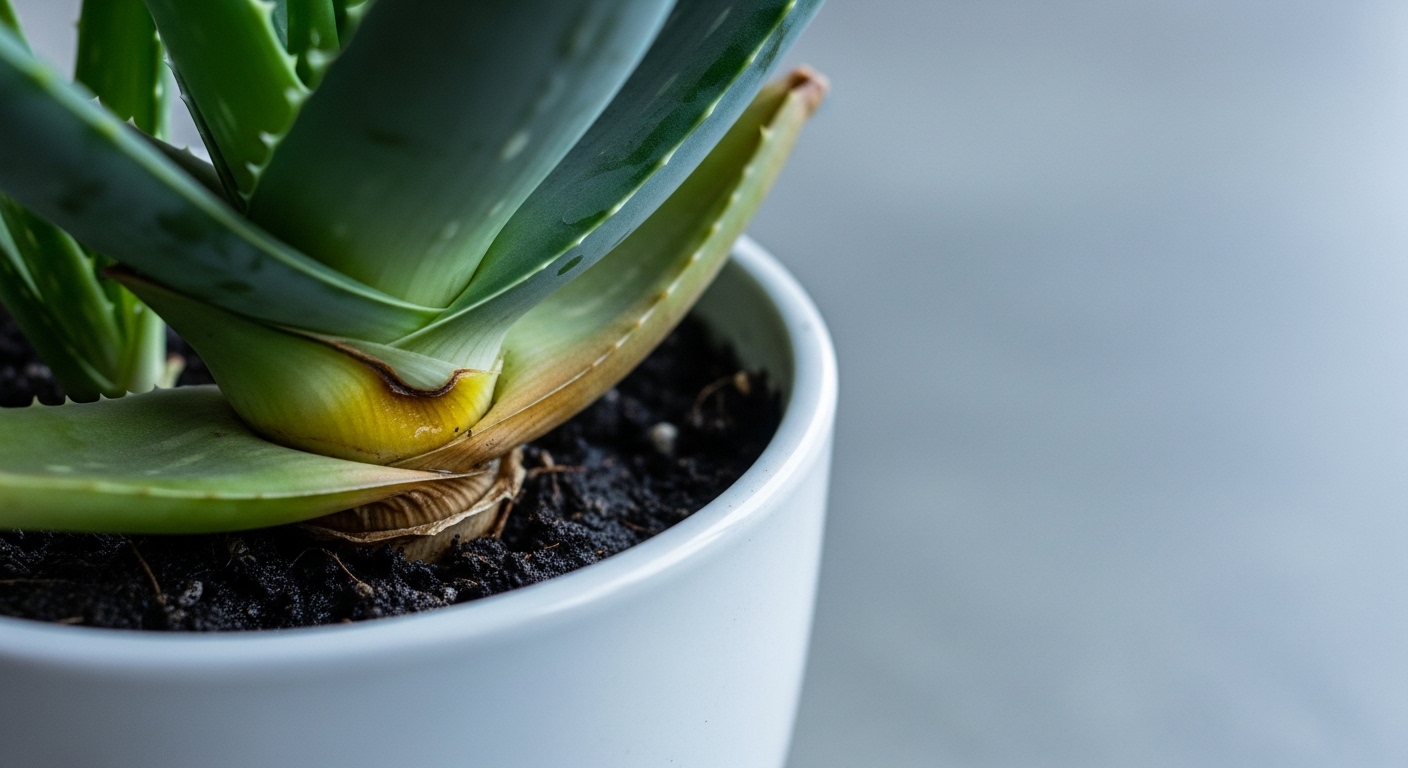
When you do water, pour slowly and evenly until water drains freely from the bottom of the pot. Then empty the saucer within 30 minutes. Aloe roots sitting in standing water is one of the fastest routes to root rot — the base of the plant will turn soft and brown before you notice anything above soil level.
Humidity is largely a non-issue for aloe vera. It evolved in dry climates and handles low indoor humidity well. Misting is unnecessary and can actually encourage fungal issues if water pools in the centre of the rosette. Standard household humidity between 30–50% is perfectly adequate.
One frustrating part of aloe care is that overwatering symptoms — yellowing, softening leaves — look similar to underwatering at first glance. Always check the soil and the base of the stem before reaching for the watering can.
Soil, Potting & Fertilizing
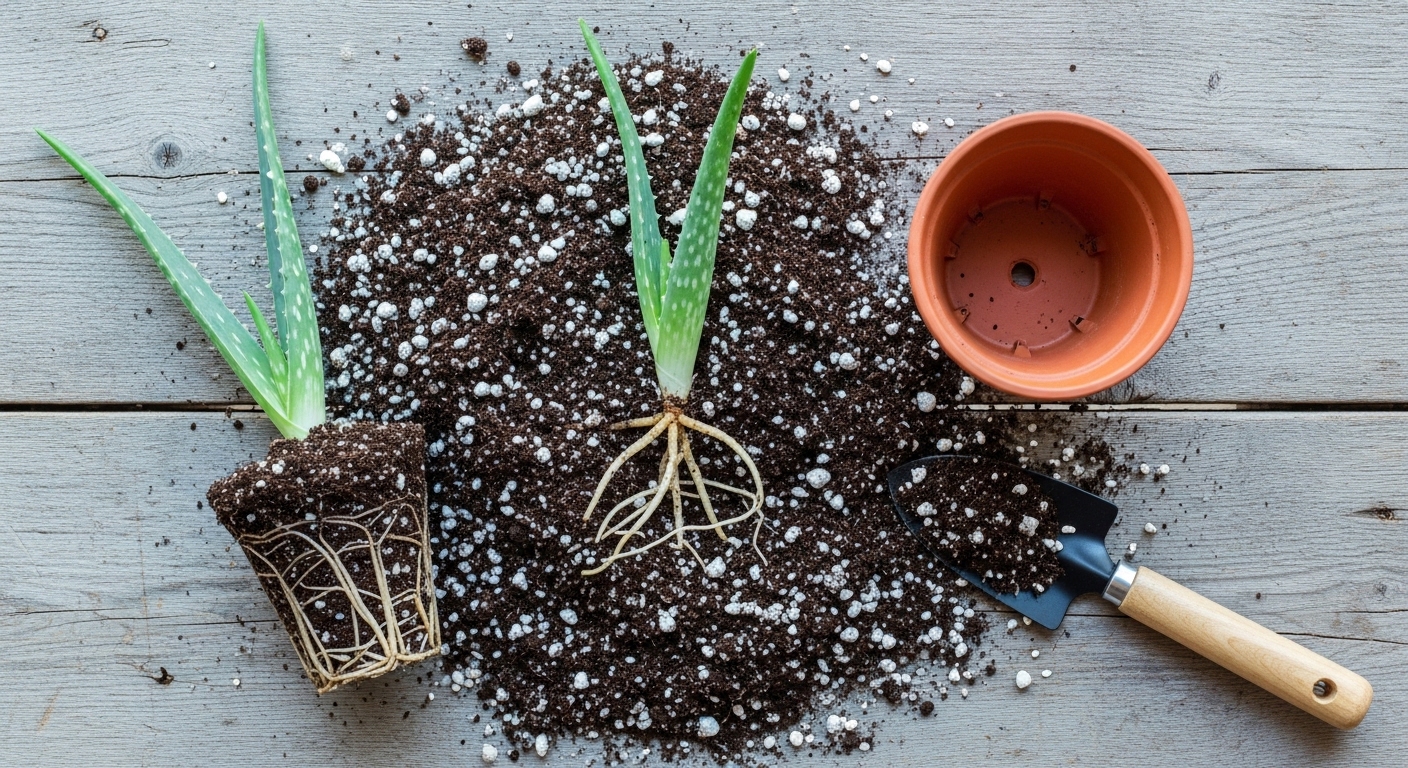
The right soil mix is arguably more important for aloe vera than any other care factor. Use a well-draining succulent or cactus mix, or blend your own: roughly two parts potting soil to one part coarse perlite and one part horticultural grit or coarse sand. The goal is a mix that drains within seconds of watering and doesn't compact or hold moisture at the root zone.
Pot choice matters too. Terracotta is generally preferred over plastic or glazed ceramic because it's porous — it allows the soil to dry more evenly and reduces the risk of moisture sitting at the roots. Whatever pot you use, drainage holes are non-negotiable.
Repot aloe vera every two to three years, or when you notice roots circling the bottom of the pot or pushing through drainage holes. Spring is the best time. Choose a pot only slightly larger than the current one — a pot that's too large holds excess moisture the roots can't absorb quickly enough.
Fertilizing is optional but can support growth during the active season. A diluted balanced liquid fertilizer (at half the recommended strength) applied once in spring and once in midsummer is generally enough. Avoid fertilizing in autumn and winter when the plant is resting.
Common Problems & Fixes
Most aloe vera problems trace back to water — either too much or, less commonly, too little. Here's how to read what the plant is telling you:
Soft, translucent, or mushy leaves at the base: Almost always overwatering or poor drainage. Remove the plant from its pot, inspect the roots, trim any black or mushy sections with clean scissors, allow the roots to air-dry for 24–48 hours, then repot in fresh dry soil.
Thin, curling, or wrinkled leaves: Underwatering. Give the plant a thorough soak and it should recover within a few days.
Brown, dry leaf tips: Usually low humidity, too much direct sun, or fluoride in tap water. Try switching to filtered or rainwater.
Pale, washed-out or yellow-green colour: Insufficient light. Move the plant closer to a bright window gradually.
Leggy, floppy growth: The plant is stretching toward light. Increase light levels and consider trimming the elongated leaves back to the base.
- Root rot from overwatering — by far the most common cause of aloe decline
- Insufficient light leading to weak, floppy growth
- Pot without drainage holes trapping moisture
- Repotting into a pot that's too large
- Fertilizing during the dormant winter period
Pests are relatively uncommon on aloe vera, but mealybugs occasionally appear in the crevices between leaves. Dab them with a cotton swab dipped in rubbing alcohol, or rinse the plant with a gentle stream of water. Repeat every few days until they're gone. For persistent infestations, neem oil solution is a widely used option — always test on a small area first.
Frequently Asked Questions
How do I harvest aloe vera gel safely?
Choose a mature outer leaf that's at least 15–20 cm long. Cut it cleanly at the base with a sharp, clean knife. Stand the cut leaf upright in a small cup for 10–15 minutes to allow the yellow latex sap to drain away — this layer can be irritating to skin and digestive systems. Then slice off the serrated edges, fillet the skin from one side, and scoop out the clear gel with a spoon. Use fresh gel immediately or store it in a sealed container in the refrigerator for up to a week.
How do I propagate aloe vera from offshoots?
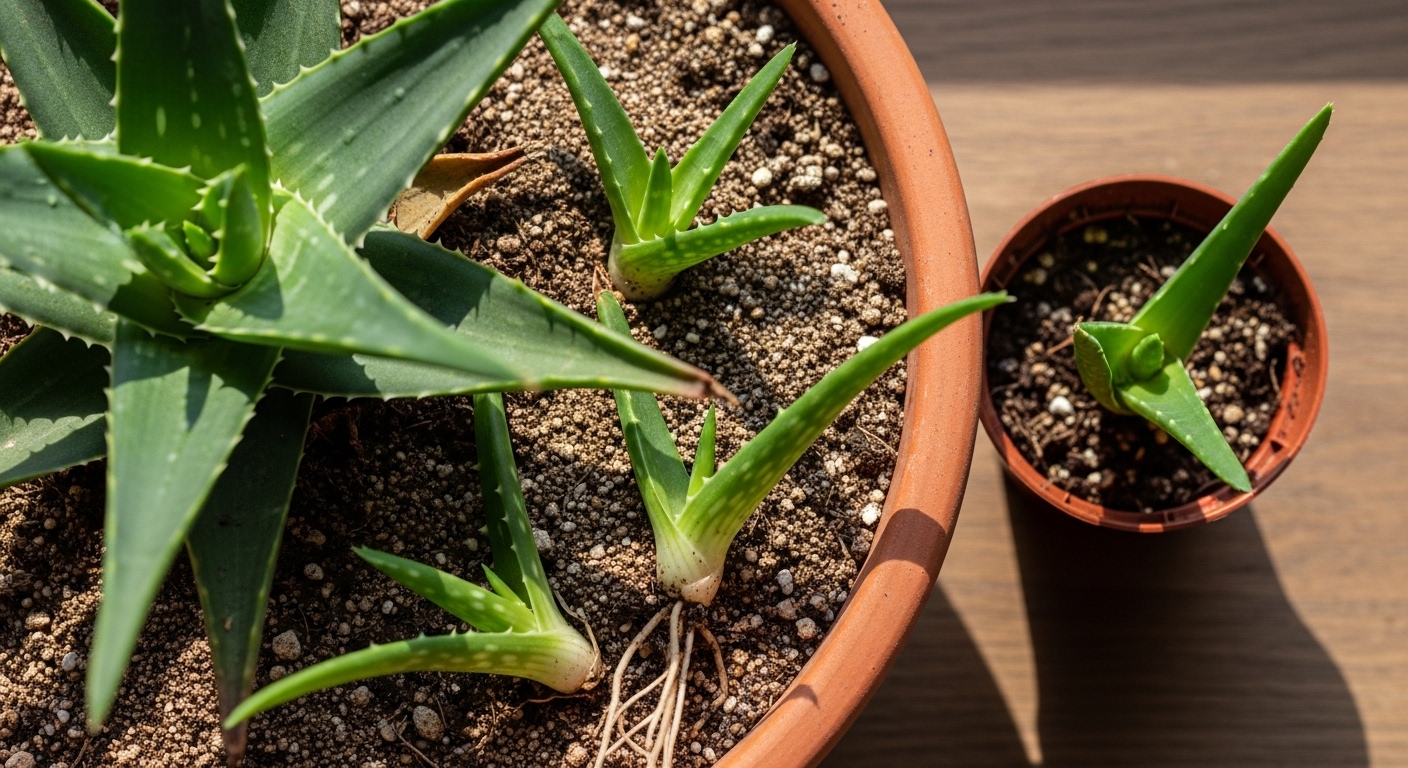
Aloe vera regularly produces small offshoots, called pups, around the base of the mother plant. Wait until a pup is at least 8–10 cm tall and has begun to develop its own root system. Gently remove the plant from its pot and separate the pup by hand or with a clean knife, keeping as many roots attached as possible. Allow the cut end to callus for 24 hours before potting into dry succulent soil. Hold off watering for the first week to encourage the roots to establish rather than rot.
Why is my aloe vera turning brown?
Brown tips are usually caused by direct harsh sun, fluoride in tap water, or low humidity. Brown, mushy patches at the base point to overwatering or root rot. Brown, dry, papery patches across the leaf surface suggest sunburn. Each cause has a different fix, so check the soil moisture and light conditions before deciding on a course of action.
Can aloe vera grow outdoors year-round?
In frost-free climates (USDA zones 9–11 or equivalent), aloe vera can grow outdoors year-round in a sunny, well-drained spot. In cooler climates, it's best treated as a container plant that moves indoors before the first frost. It does not tolerate freezing temperatures and will suffer permanent damage below 0°C.
How often should I repot my aloe vera?
Generally every two to three years, or when the plant becomes visibly root-bound. Spring is the best time to repot, just as the growing season begins. Choose a pot only 2–3 cm wider than the current one to avoid excess moisture retention in the surrounding soil.
Aloe vera rewards a light touch. Give it bright light, well-draining soil, and the patience to let it dry out between waterings — and it will quietly get on with growing, producing new leaves and the occasional pup without much fuss. If you're ready to expand your succulent collection, exploring other drought-tolerant species like haworthia or gasteria makes a natural next step. And if root rot has been a recurring issue across your houseplants, a closer look at your potting mix choices could make a real difference across the board.


Comments
Post a Comment