ZZ Plant Care Guide: Nearly Indestructible Houseplant
If you have ever watched a plant survive weeks of neglect, low light, and forgotten watering schedules without complaint, there is a good chance it was a ZZ plant. Zamioculcas zamiifolia has earned a devoted following among apartment dwellers, busy professionals, and anyone who loves the look of a sculptural, deep-green plant without the anxiety of constant maintenance. This ZZ plant care guide covers everything from its fascinating rhizome system to propagation, toxicity awareness, and the few things that can actually go wrong.
Species Overview & Origin
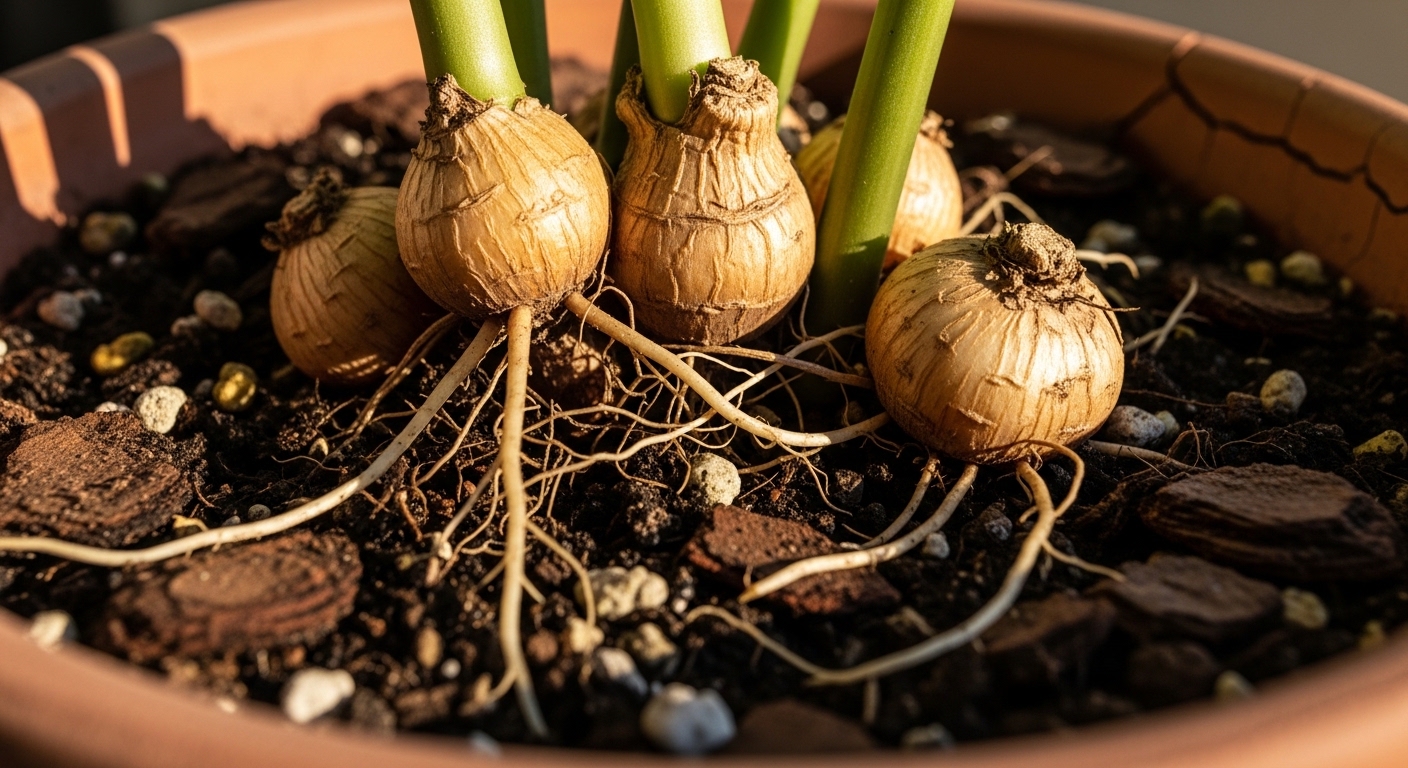
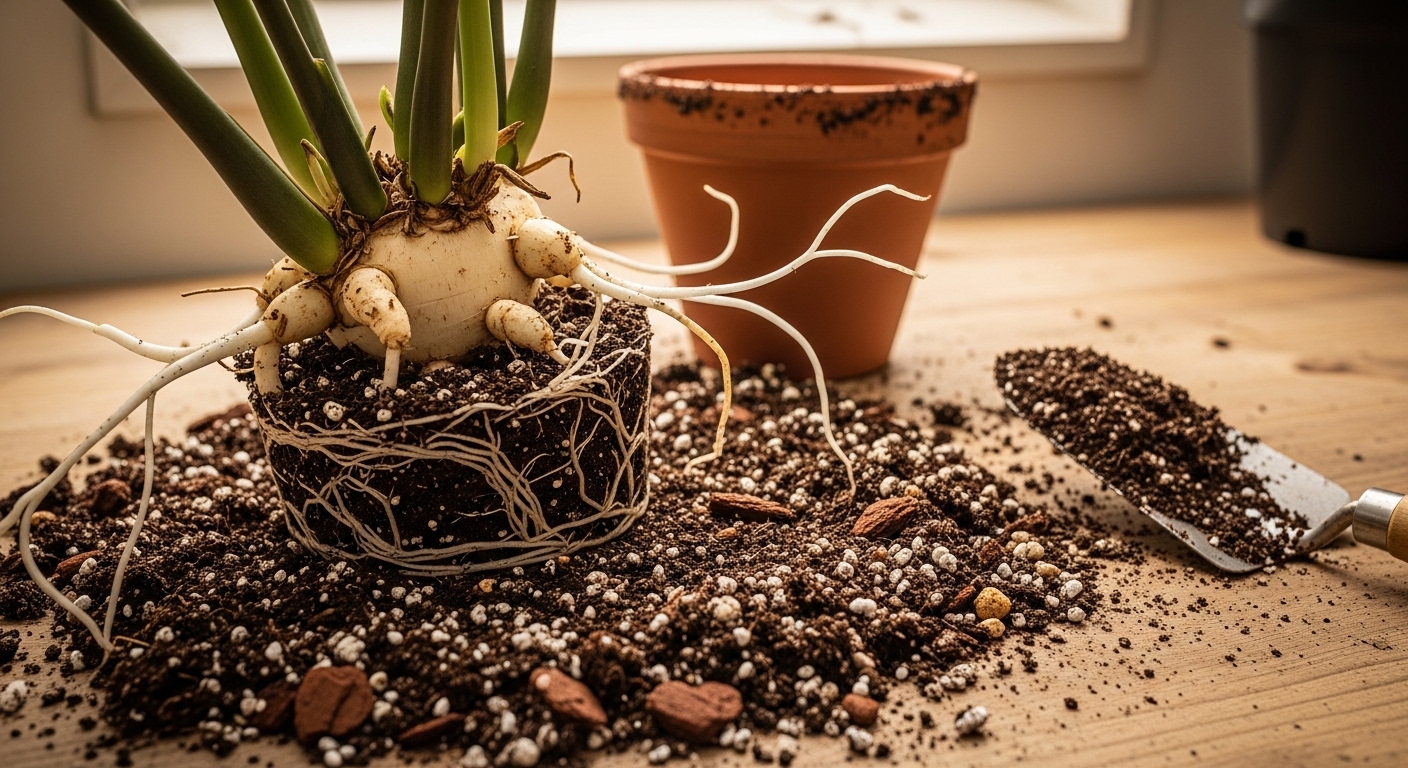
Zamioculcas zamiifolia is native to the seasonally dry grasslands and forests of eastern Africa, stretching from Kenya down through Zimbabwe. That origin story explains almost everything about how it behaves in your home. In the wild, it experiences long dry seasons followed by bursts of rainfall, which is why it evolved one of its most remarkable features: swollen underground rhizomes that store water and nutrients like a built-in reservoir.
The plant belongs to the Araceae family, making it a distant relative of peace lilies and philodendrons. Its common names include ZZ plant, Zanzibar gem, and eternity plant. The "eternity" nickname is not just marketing — in ideal conditions, a well-established ZZ can live for decades with minimal intervention.
Growth is naturally slow to moderate. New stems emerge directly from the rhizome, unfurling in a pale, almost lime-green color before darkening to the characteristic deep, waxy green. That waxy cuticle on the leaf surface is another drought adaptation — it reduces moisture loss through the leaf itself.
Light & Temperature Needs
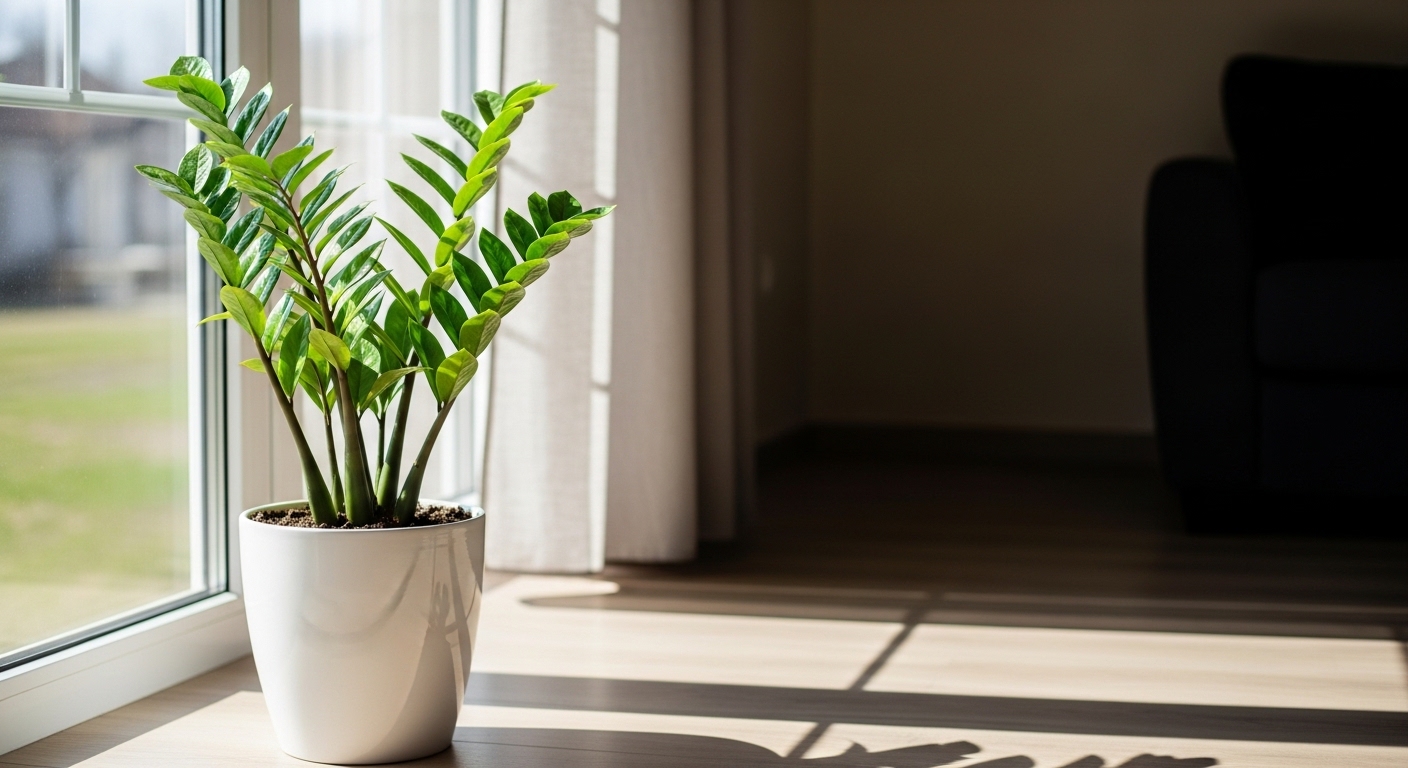
ZZ plants tolerate a wider range of light conditions than almost any other common houseplant. They can survive in low-light corners that would cause most tropicals to decline rapidly. That said, "tolerates low light" does not mean "prefers darkness." Growth will be noticeably slower in dim rooms, and stems may stretch toward any available light source — a process called etiolation.
For the best balance of compact growth and healthy leaf production, aim for bright indirect light. A spot a meter or two back from a north- or east-facing window generally works well. Direct afternoon sun can scorch the leaves, leaving pale or bleached patches that do not recover.
Temperature-wise, ZZ plants are comfortable in the same range most people keep their homes: roughly 15–30°C (60–85°F). They dislike cold drafts and should be kept away from air conditioning vents and single-pane windows in winter. Temperatures consistently below 10°C (50°F) can cause the rhizomes to rot, so outdoor placement is only suitable in frost-free climates.
A ZZ plant placed in a windowless office under standard fluorescent lighting can still maintain its foliage for months — though it will rarely push new growth in those conditions. Supplemental grow lighting in the 5000–6500K spectrum can help bridge the gap.
Watering & Humidity Guide
Water your ZZ plant when the top 2–3 cm of soil feels completely dry to the touch — and in lower light or cooler temperatures, you can often wait until the top half of the pot feels dry. The rhizomes store enough moisture to carry the plant through extended dry periods, which means overwatering is a far more common problem than underwatering.
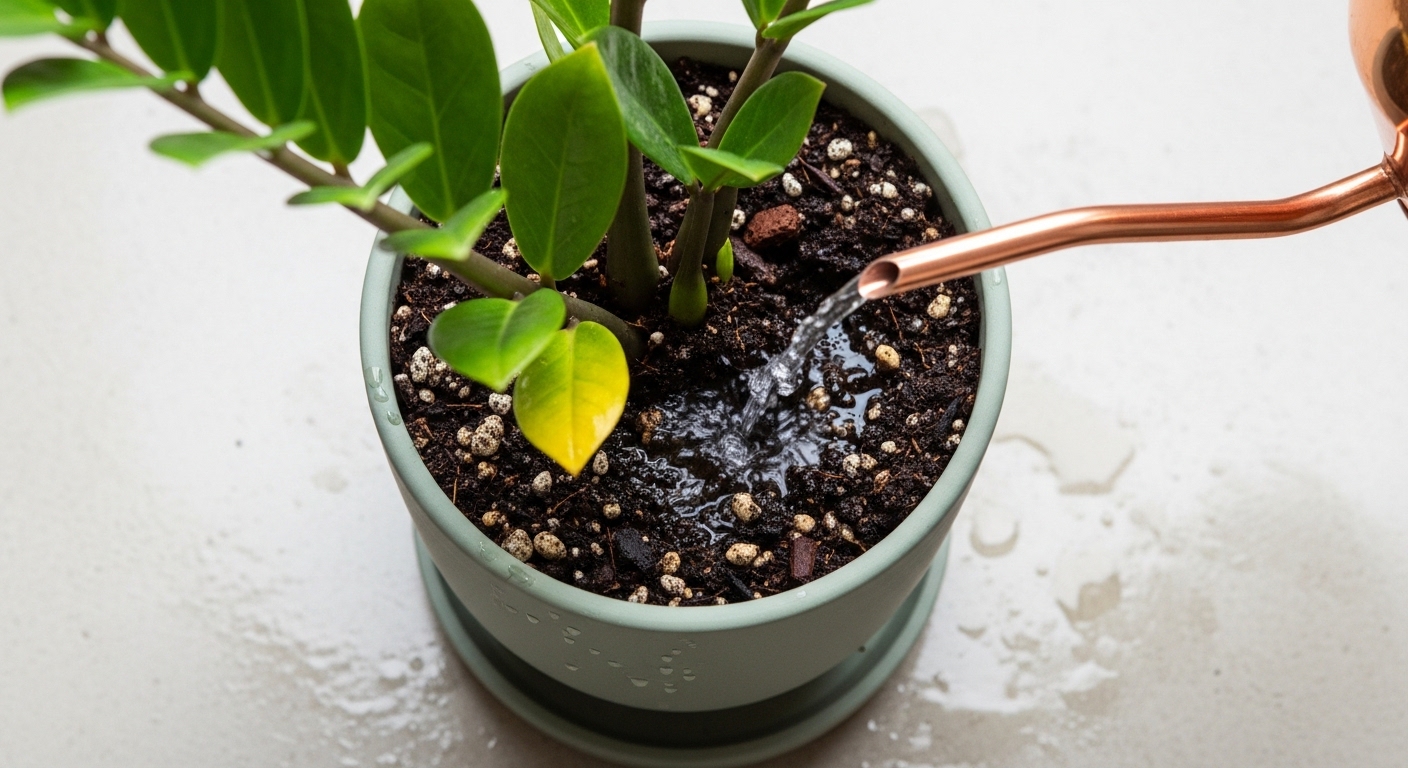
When you do water, water thoroughly until it drains freely from the bottom of the pot. Empty the saucer after 30 minutes so the roots are never sitting in standing water. In a typical home environment during the growing season (spring through summer), this might mean watering every 2–3 weeks. In winter, many growers find they only water once a month or even less.
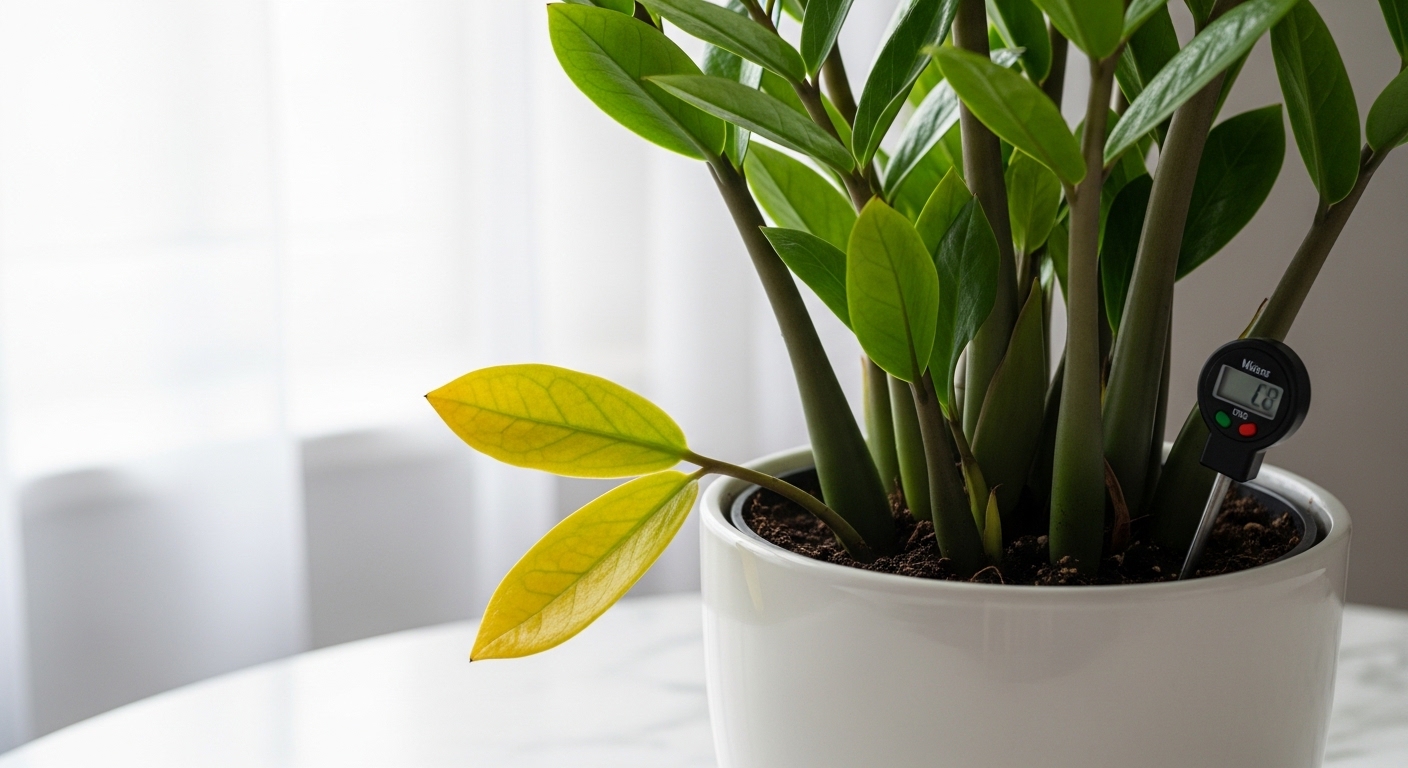
One frustrating part of ZZ plant care is that overwatering damage is often invisible until it is quite advanced. The rhizomes will begin to rot underground before any yellowing appears above the soil line. If you notice yellowing lower leaves combined with mushy stems at the base, excess moisture is almost certainly the cause.
Humidity is genuinely not a concern. ZZ plants are comfortable in the dry air of most homes and offices. There is no need to mist, group plants together for humidity, or use a pebble tray. This is one area where you can simply do nothing.
Soil, Potting & Fertilizing
The ideal soil mix for a ZZ plant drains quickly and does not hold moisture for long. A standard houseplant potting mix works as a base, but it benefits from amendment. Many growers find that adding 20–30% perlite or coarse horticultural sand significantly reduces the risk of root and rhizome rot.
Repotting is rarely urgent. ZZ plants actually perform reasonably well when slightly root-bound, and repotting too frequently can disturb the rhizomes unnecessarily. A good rule of thumb: repot when you see rhizomes pressing visibly against the sides of the pot or emerging from the drainage holes. Choose a new pot only one size up — jumping to a much larger container increases the volume of moist soil around the roots, which raises rot risk.
Always choose a pot with drainage holes. Decorative cachepots without drainage are fine as an outer sleeve, but the inner growing pot must allow water to escape freely.
Fertilizing needs are modest. During the growing season, a balanced liquid fertilizer diluted to half strength, applied once every 4–6 weeks, is generally sufficient. Avoid fertilizing in autumn and winter when growth slows. Over-fertilizing can cause salt buildup in the soil, which may show up as brown leaf tip burn.
- Soil mix: standard potting mix amended with 20–30% perlite or coarse sand
- Pot material: terracotta or ceramic with drainage holes preferred
- Repotting frequency: every 2–3 years, or when rhizomes crowd the pot
- Fertilizer: balanced liquid feed at half strength, every 4–6 weeks in spring and summer only
Common Problems & Fixes
ZZ plants are genuinely low-maintenance, but they are not entirely problem-free. Most issues trace back to one of two causes: too much water or too little light. Knowing what to look for makes diagnosis straightforward.
- Yellow leaves: The most common complaint. Usually caused by overwatering or waterlogged soil. Check the rhizomes — if they feel soft or mushy, reduce watering immediately and consider repotting into fresh dry mix.
- Brown leaf tips: Often a sign of low humidity, salt buildup from over-fertilizing, or fluoride sensitivity. Flush the soil thoroughly with water every few months to reduce salt accumulation.
- Leggy, stretched stems: A clear signal that the plant is not receiving enough light. Move it closer to a window or introduce supplemental lighting. Follow manufacturer instructions and consult a licensed electrician if installing permanent grow light fixtures.
- Drooping stems: Can indicate either underwatering (rare) or root rot from overwatering. Check the soil moisture and rhizome condition before adjusting care.
- Pests: ZZ plants are relatively pest-resistant, but scale insects and mealybugs occasionally appear. Wipe leaves with a damp cloth and treat with insecticidal soap if needed — always test on a small area first.
Symptom: Mushy black stems at the base → Likely cause: Rhizome rot from chronic overwatering → Fix: Remove affected rhizomes, allow remaining roots to dry, repot in fresh well-draining mix.
A note on toxicity: ZZ plants contain calcium oxalate crystals, which are considered toxic to cats, dogs, and humans if ingested. The ASPCA lists Zamioculcas zamiifolia as toxic to pets. Keep the plant out of reach of children and animals, and wash hands after handling — particularly after cutting or propagating, when sap is exposed. The plant does not pose a risk through casual contact with intact leaves.
Frequently Asked Questions
How do I propagate a ZZ plant?
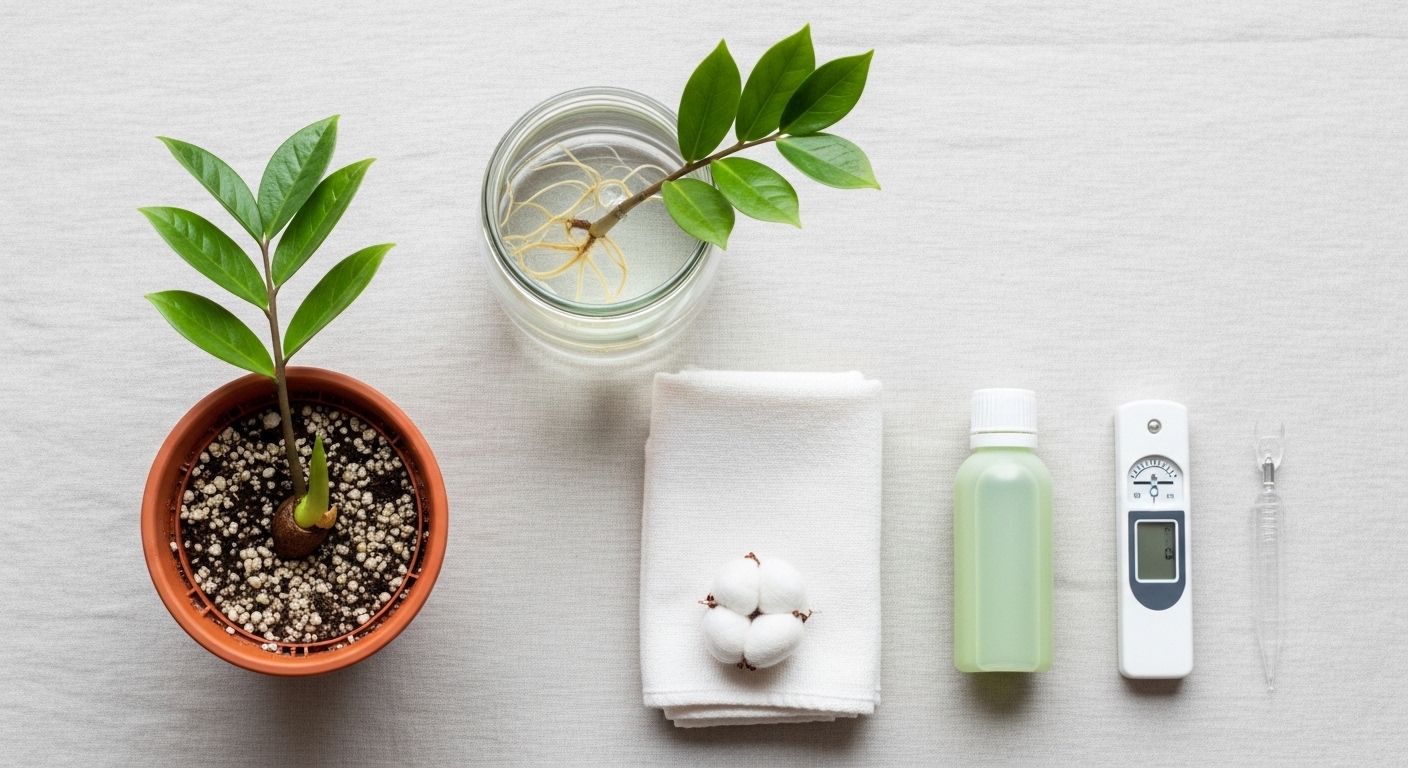
ZZ plants can be propagated by three main methods: leaf cuttings, stem cuttings, and rhizome division. Leaf cuttings are the most accessible — remove a healthy leaf with its petiole intact, let the cut end callus for a day, then place it in moist perlite or water. Rooting is slow, often taking 3–6 months before a small rhizome forms. Stem cuttings root faster and can be placed in water or directly into soil. Rhizome division during repotting is the quickest way to produce a full-sized new plant — simply separate a section of rhizome with at least one stem attached and pot it up independently.
Why is my ZZ plant not growing?
Slow or absent growth is normal in low light or during winter. ZZ plants enter a natural rest period in cooler months and may produce no new stems for several months. If growth has stalled during the active season, assess light levels first — this is the most common limiting factor. Nutrient deficiency and being severely root-bound can also slow growth, though these are less frequent causes.
Can a ZZ plant live in a room with no windows?
It can survive for a period, but it will not grow and will gradually decline without any natural light. In windowless rooms, supplemental grow lighting in the 5000–6500K spectrum for 12–14 hours per day can help maintain the plant in reasonable condition. Follow manufacturer instructions for any lighting setup.
Is the ZZ plant safe to touch?
Casual contact with intact leaves is generally considered safe for most people. The calcium oxalate crystals become a concern when the plant is cut or when sap contacts mucous membranes. Wash hands after pruning or propagating, and keep the plant away from pets and young children. For specific concerns, the ASPCA poison control database is a reliable reference.
How often should I wipe the leaves?
Dust accumulates on the waxy leaf surface and can slightly reduce the plant's ability to absorb light. Wiping leaves gently with a damp soft cloth every 4–6 weeks is generally sufficient. Avoid leaf shine products — the ZZ's natural waxy finish does not need enhancement and some products can clog leaf pores over time.
There is something quietly satisfying about a plant that asks very little and gives back a lot. The ZZ plant is not flashy — it will not produce dramatic blooms or rapid growth spurts — but it holds its form with a kind of steady, architectural confidence that suits almost any interior. Start by getting the watering rhythm right, find it a spot with reasonable indirect light, and let the rhizomes do the rest. If you are also curious about other drought-tolerant houseplants that share a similar low-maintenance philosophy, exploring snake plants or cast iron plants might be a natural next step.


Comments
Post a Comment