Monstera Deliciosa: The Complete Care Guide
Monstera deliciosa has a way of making even the most plant-skeptical person stop and look twice. Those deeply split leaves — technically called fenestrations — are the result of years of careful growing conditions, and getting there is genuinely satisfying. But many owners find their monstera stubbornly producing small, uncut leaves, or worse, yellowing and drooping for no obvious reason. This guide covers everything: light, water, humidity, soil, fertilizing, repotting, and the most common problems you'll actually encounter.
Species Overview & Origin
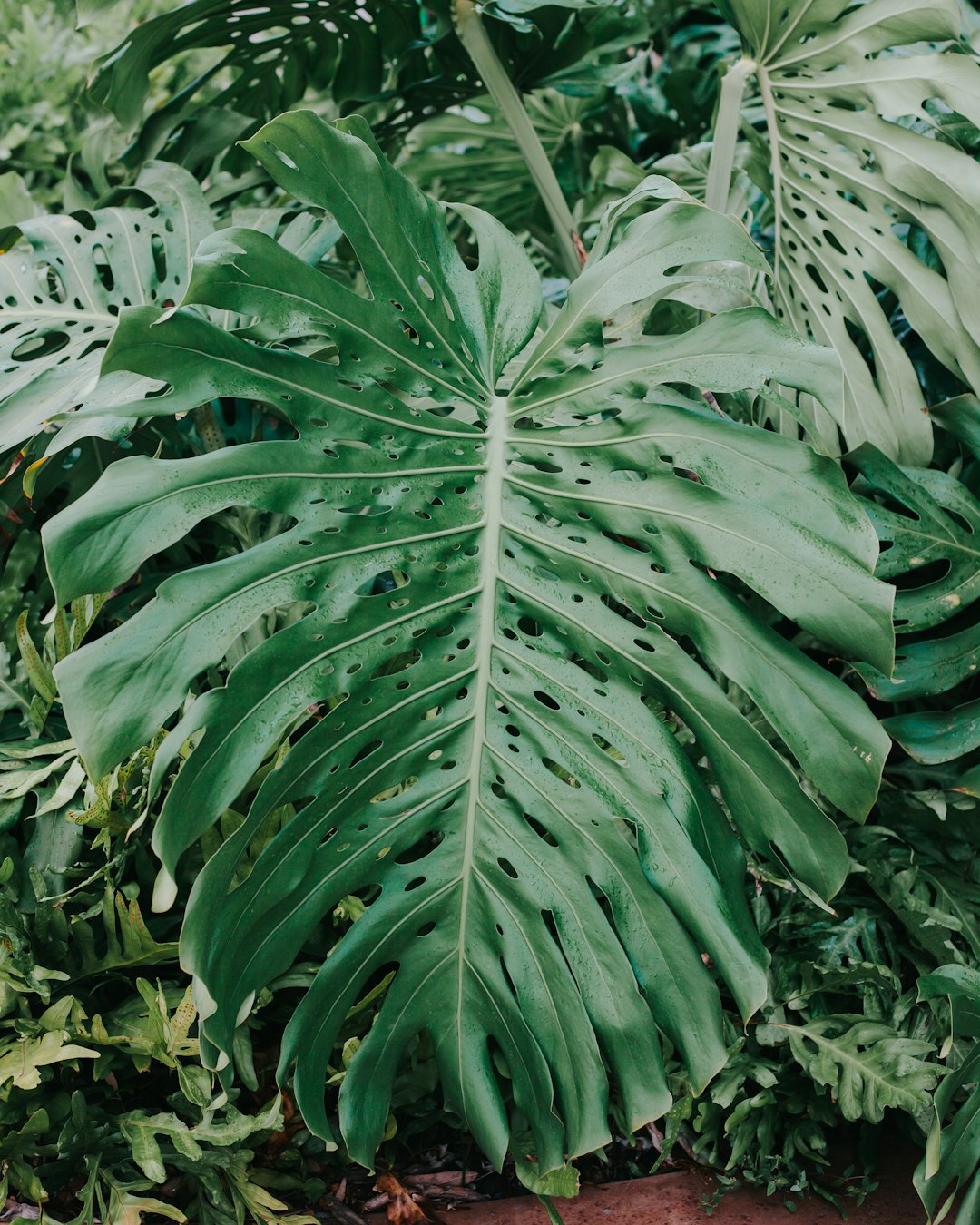
Monstera deliciosa is native to the tropical rainforests of southern Mexico and Central America, where it grows as a hemiepiphyte — starting life on the forest floor and eventually climbing trees toward the canopy. In the wild, mature plants can reach several metres in height, with leaves exceeding 90 cm across. The name deliciosa refers to the edible fruit the plant produces outdoors in its natural habitat, though indoor specimens rarely flower.
Understanding its origins matters practically. In a rainforest understory, monstera receives bright but filtered light, high ambient humidity, and a soil environment that drains quickly after heavy rain. Every care decision you make should loosely mirror those conditions. The plant is not fragile — it has adapted to seasonal variation — but it does have clear preferences that, when ignored, show up on the leaves.
Monstera deliciosa is generally considered non-toxic to humans but is listed as toxic to cats and dogs by the ASPCA. If you share your home with pets, placement matters.
Light & Temperature Needs
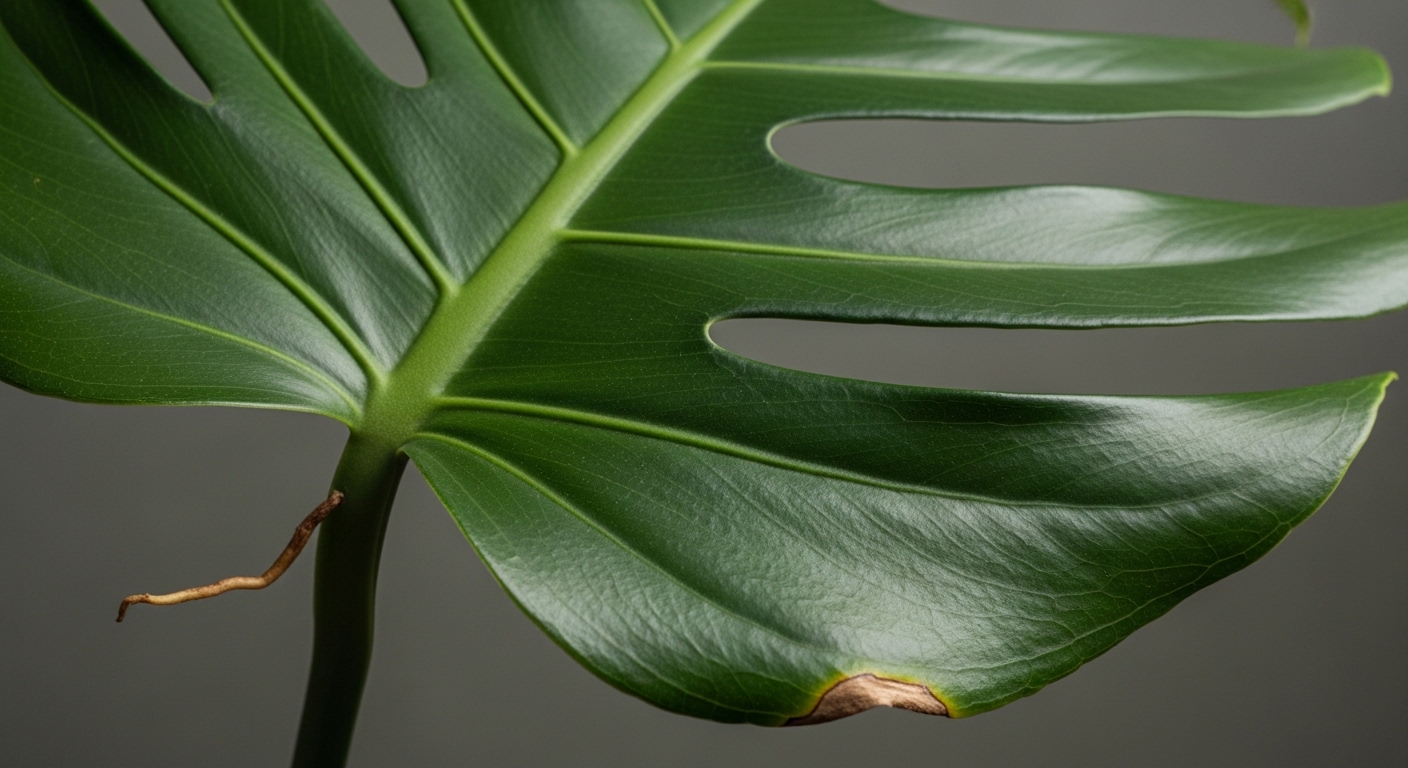
Monstera deliciosa grows best in bright, indirect light — the kind you find 1 to 2 metres from a large east- or north-facing window, or set back from a south- or west-facing window where direct sun is filtered by a sheer curtain. Direct midday sun can scorch the leaves, leaving pale, papery patches that won't recover. Low light won't kill the plant, but it will slow growth significantly and almost certainly prevent fenestration development.
Fenestration — the development of splits and holes in the leaves — is directly tied to light availability and the plant's maturity. Young plants produce whole, uncut leaves regardless of conditions. As the plant matures, adequate bright indirect light encourages the characteristic splits to deepen and multiply. Many growers notice that moving a monstera closer to a window (without direct sun exposure) produces noticeably larger, more divided leaves within a single growing season.
Temperature-wise, monstera is comfortable between 18°C and 30°C. It can tolerate brief dips to around 12°C but will stop growing and may show cold damage below that. Keep it away from cold draughts, air conditioning vents, and radiators. Consistent warmth through the growing season tends to support the most active growth.
Watering & Humidity Guide
Water monstera deliciosa when the top 3 to 4 cm of soil feels dry to the touch. In most indoor environments during the growing season (spring through summer), this typically means watering every 7 to 10 days. In winter, growth slows and the soil stays moist longer — watering every 14 to 21 days is often sufficient. Always check the soil rather than following a fixed schedule.
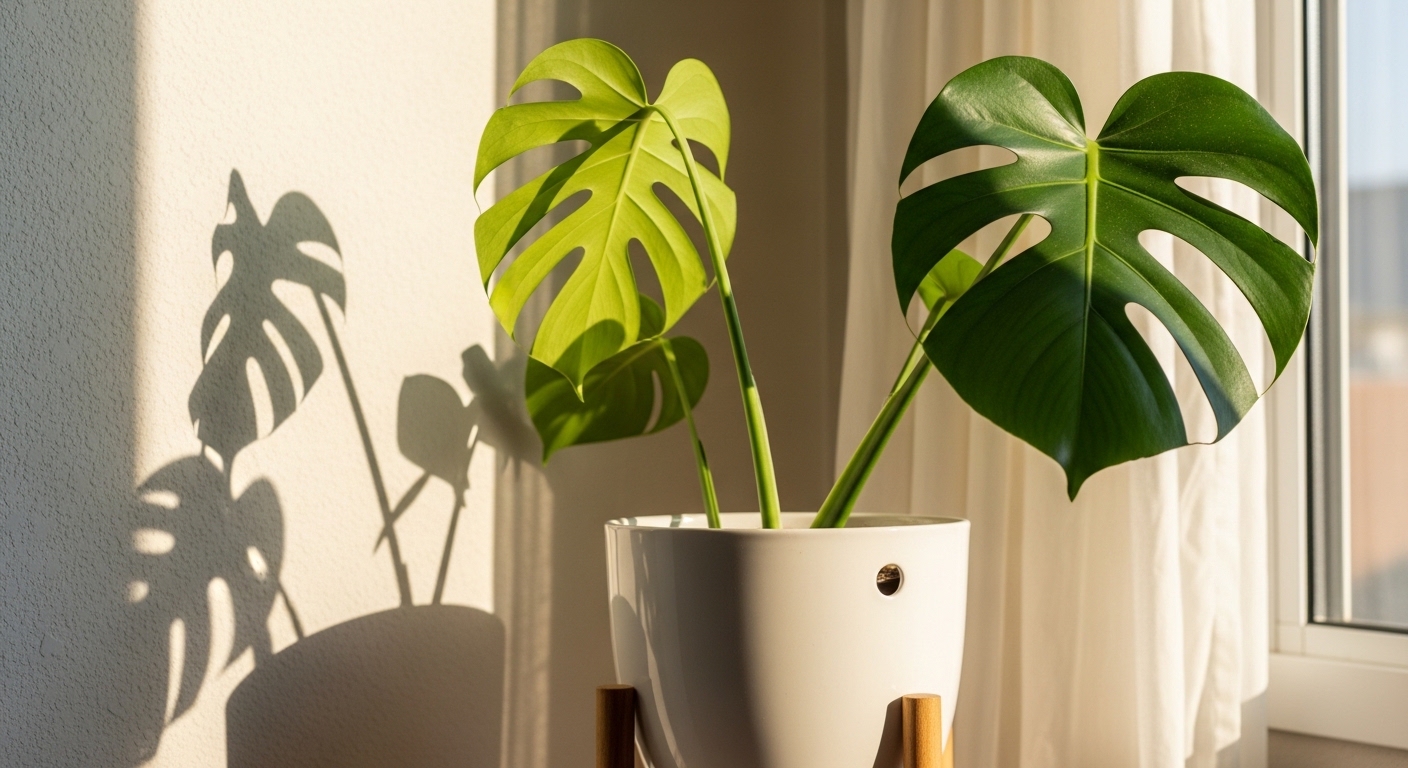
When you water, water thoroughly until it drains freely from the bottom of the pot, then empty the saucer within 30 minutes. Monstera roots need oxygen as much as moisture, and sitting in pooled water is one of the fastest routes to root rot. One frustrating part is that overwatering symptoms — yellowing lower leaves, soft stems — look almost identical to underwatering in the early stages. The soil is your most reliable diagnostic tool.
A simple finger test beats any watering schedule. Push your finger 3 to 4 cm into the soil — if it feels cool and damp, wait. If it feels dry and pulls slightly away from the pot edge, it's time to water.
Monstera deliciosa prefers humidity levels between 50% and 70%, reflecting its tropical origins. Most homes sit between 30% and 50%, which the plant can generally tolerate, though growth may be slower and leaf edges may brown slightly in very dry air. Grouping plants together, placing a tray of water near (not under) the pot, or using a small humidifier nearby can help raise ambient humidity. Misting the leaves directly has limited effectiveness and can encourage fungal issues if the leaves stay wet overnight.
Soil, Potting & Fertilizing
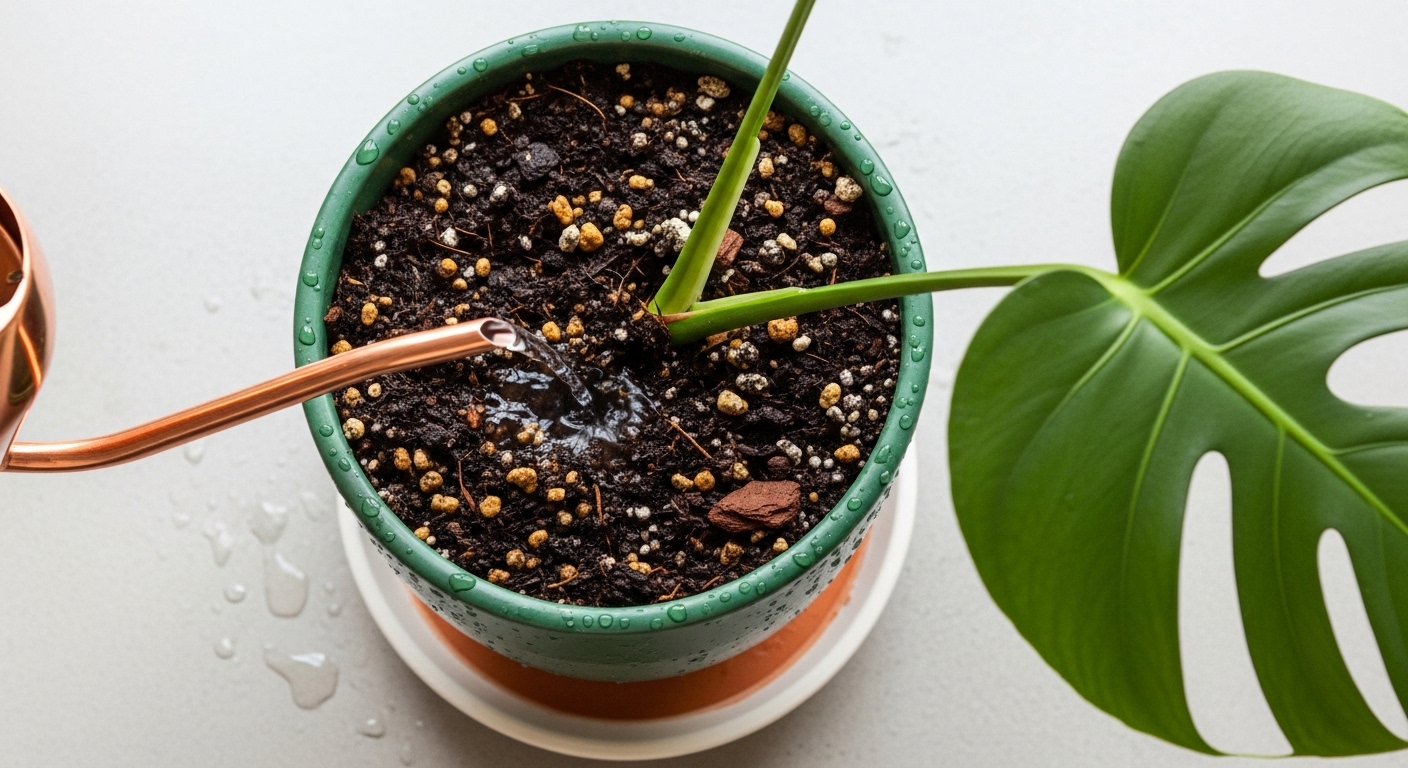
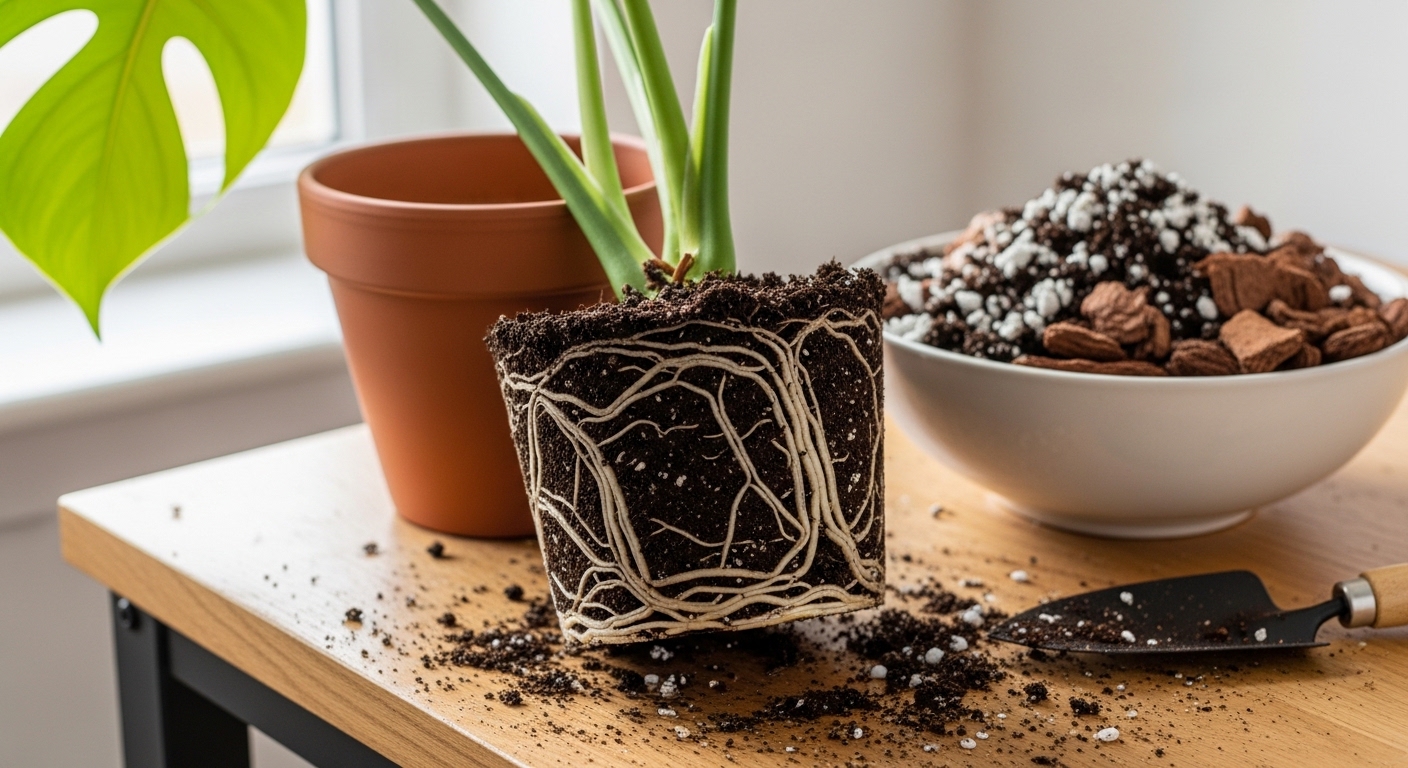
The right soil mix for monstera deliciosa drains quickly while retaining just enough moisture to keep roots hydrated between waterings. A standard houseplant potting mix on its own is often too dense. Most growers find good results with a blend of:
- 60% good-quality potting mix
- 20% perlite for drainage and aeration
- 20% orchid bark or coarse coco coir for structure
This kind of chunky, airy mix mimics the loose, organic debris that accumulates around tree roots in a tropical forest. It also reduces the risk of compaction over time, which can suffocate roots and lead to the same symptoms as overwatering.
Repot monstera deliciosa every 1 to 2 years, or when you see roots circling the base of the pot or emerging from drainage holes. Move up only one pot size at a time — too large a pot holds excess moisture and increases root rot risk. Spring is the ideal time to repot, just as the growing season begins. After repotting, hold off on fertilizing for 4 to 6 weeks to let the roots settle.
During the growing season, fertilize every 4 weeks with a balanced liquid fertilizer diluted to half the recommended strength. Monstera responds well to regular, modest feeding rather than infrequent heavy doses. In autumn and winter, reduce feeding to once every 6 to 8 weeks or stop entirely if growth has paused. Over-fertilizing can cause salt build-up in the soil, which shows up as brown, crispy leaf tips.
Common Problems & Fixes
Most monstera problems are readable once you know what to look for. The leaves are expressive — they communicate stress clearly, if you pay attention.
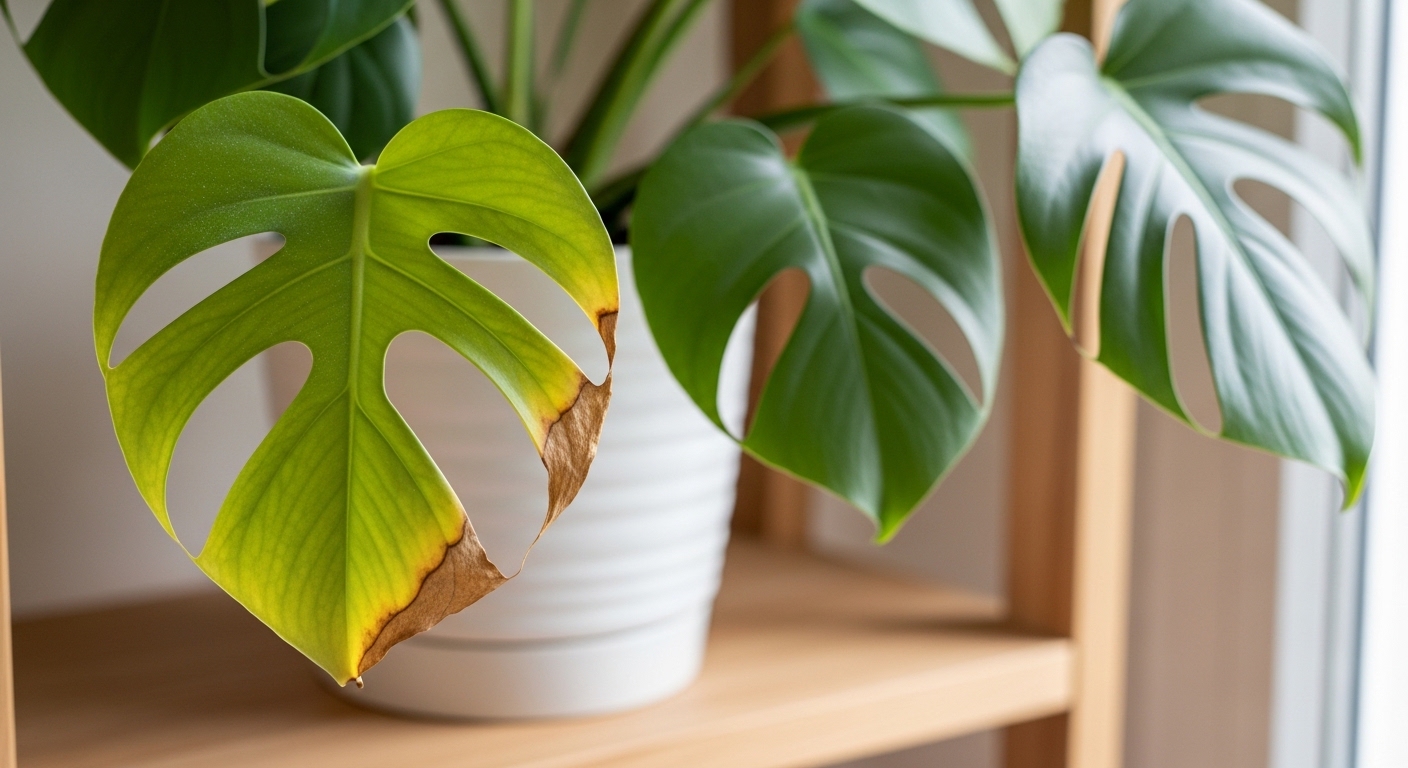
Yellow leaves: The most common cause is overwatering or poor drainage. Check the soil moisture and inspect roots for soft, brown, mushy sections. Trim any rotten roots and repot into fresh, well-draining mix.
Brown, crispy leaf edges: Usually linked to low humidity, salt build-up from over-fertilizing, or inconsistent watering. Flush the soil thoroughly with water every few months to reduce salt accumulation.
No fenestration on new leaves: The plant may be too young (under 2 to 3 years old), receiving insufficient light, or lacking nutrients. Move it closer to a bright indirect light source and ensure regular feeding during the growing season.
Drooping leaves: Can indicate both underwatering and overwatering. Check the soil — if it's bone dry, water thoroughly. If it's wet, allow it to dry out and check for root rot.
Leggy growth with small leaves: Almost always a light issue. The plant is reaching toward a distant light source. Reposition it closer to a window.
- Overwatering and poor drainage — the most common cause of serious decline
- Insufficient light — limits fenestration and slows overall growth
- Repotting into an oversized pot — increases moisture retention and root rot risk
- Ignoring aerial roots — they can be tucked into the soil or trained up a moss pole to support the plant
- Fertilizing in winter — can cause salt stress when the plant isn't actively growing
Spider mites and scale insects occasionally appear, particularly in dry indoor air. The first sign is often fine webbing near the leaf axils (spider mites) or small brown bumps along stems (scale). Wiping leaves with a damp cloth regularly helps with early detection and keeps the leaf surface clean enough for good photosynthesis.
Frequently Asked Questions
How do I encourage more fenestrations on my monstera?
Fenestration development is primarily driven by light and maturity. Ensure the plant receives bright, indirect light for at least 6 hours daily, feed regularly during the growing season, and consider training it up a moss pole — vertical growth tends to encourage larger, more divided leaves. Plants under 2 to 3 years old may not fenestrate regardless of conditions.
Should I cut off the aerial roots?
Aerial roots are a natural part of monstera's climbing habit and are not harmful. You can tuck them back into the soil to provide additional moisture uptake, train them up a moss pole for structural support, or trim them if they become unwieldy. Cutting them won't harm the plant, but leaving them intact generally supports healthier growth.
Why are my monstera's leaves turning yellow?
Yellowing is most commonly caused by overwatering, poor drainage, or root rot. Occasionally, it can result from nutrient deficiency or very low light. Check the soil moisture first — if the soil has been consistently wet, inspect the roots and consider repotting into a drier, well-draining mix.
How fast does monstera deliciosa grow?
Under good conditions (bright indirect light, regular feeding, appropriate watering), monstera can produce one new leaf every 4 to 6 weeks during the growing season. Growth slows considerably in autumn and winter, and it's normal to see little or no new growth during those months.
Is monstera deliciosa safe for pets?
Monstera deliciosa is listed as toxic to cats and dogs by the ASPCA due to insoluble calcium oxalates. Keep it out of reach of pets who chew on plants, and consult your veterinarian if ingestion occurs.
When should I repot my monstera?
Repot when roots are visibly circling the base of the pot, emerging from drainage holes, or when the plant dries out unusually quickly after watering. Spring is the best time, as the plant is entering its active growing season and will recover from any root disturbance more readily.
Monstera deliciosa rewards patience more than fuss. Get the light right, water with intention, and give it a well-draining soil mix — most of the other details fall into place from there. If you're ready to take the next step, learning to propagate monstera from stem cuttings is a natural progression and a genuinely satisfying skill to develop. And if root rot has been a recurring issue, exploring the relationship between pot size, soil composition, and watering rhythm is worth a deeper look.


Comments
Post a Comment