Water vs Soil Propagation: Which Method Wins?
Every cutting you take from a beloved plant puts you at a small crossroads. Do you drop it in a jar of water on the windowsill, or tuck it straight into soil and hope for the best? Both methods genuinely work — but they work differently, and for different plants, the gap in success rate can be surprisingly wide. Understanding what's actually happening at the root level makes the choice a lot less mysterious.
At-a-Glance Comparison Table
Before diving into the details, here's a quick reference for how these two methods stack up across the factors that matter most to home growers.
| Factor | Water Propagation | Soil Propagation |
|---|---|---|
| Visibility of roots | High — roots visible through glass | None until you check |
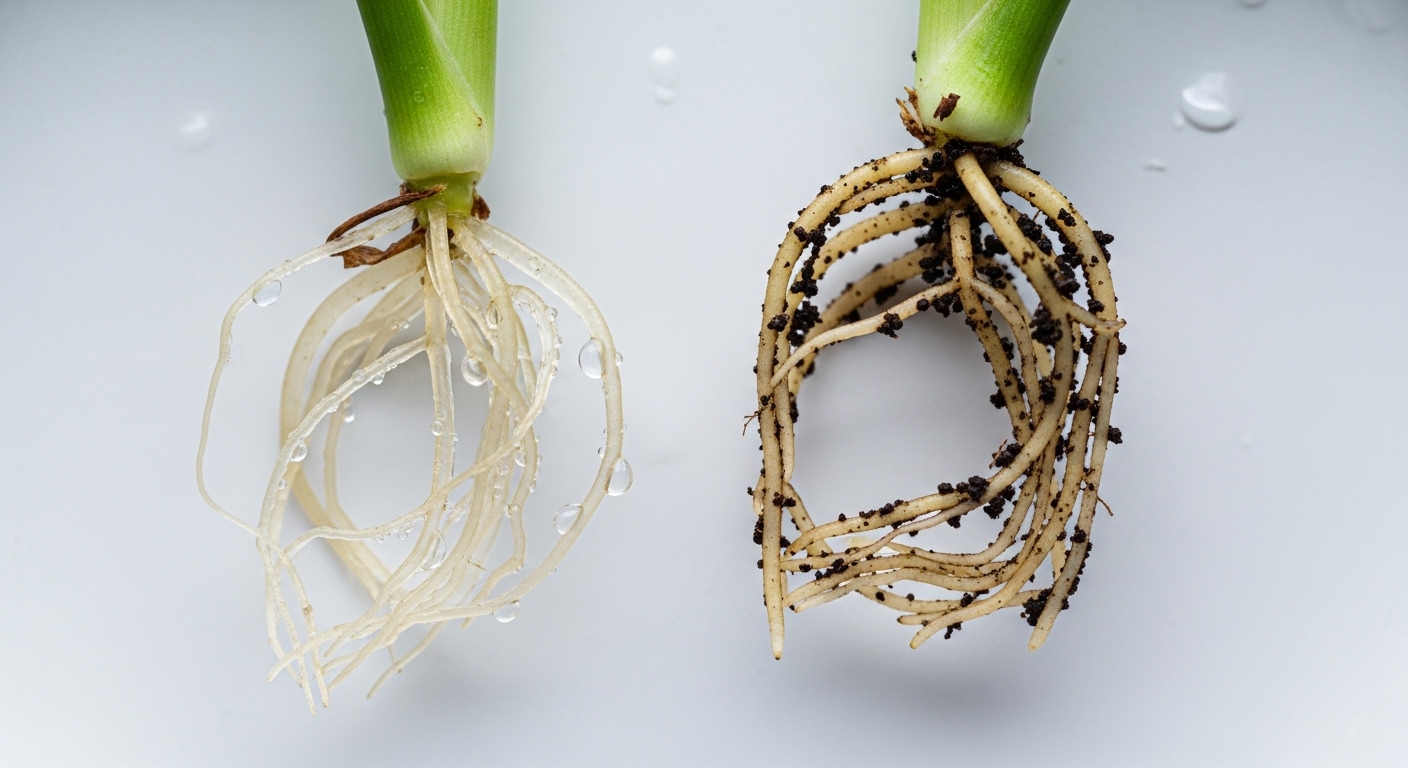
| Root structure | Thinner, more fragile water roots | Denser, soil-adapted roots |
| Transplant shock risk | Moderate to high on potting up | Low — roots already soil-adapted |
| Speed of initial rooting | Often faster in warm conditions | Slightly slower but more stable |
| Risk of rot | Low if water is changed regularly | Higher if soil stays too wet |
| Equipment needed | Just a clean jar and water | Soil mix, pot, optional rooting hormone |
| Best for beginners | Yes — easy to monitor | Yes — with the right soil mix |
| Best plant types | Soft-stemmed, tropical species | Succulents, woody stems, most species |
Water Propagation — A Closer Look
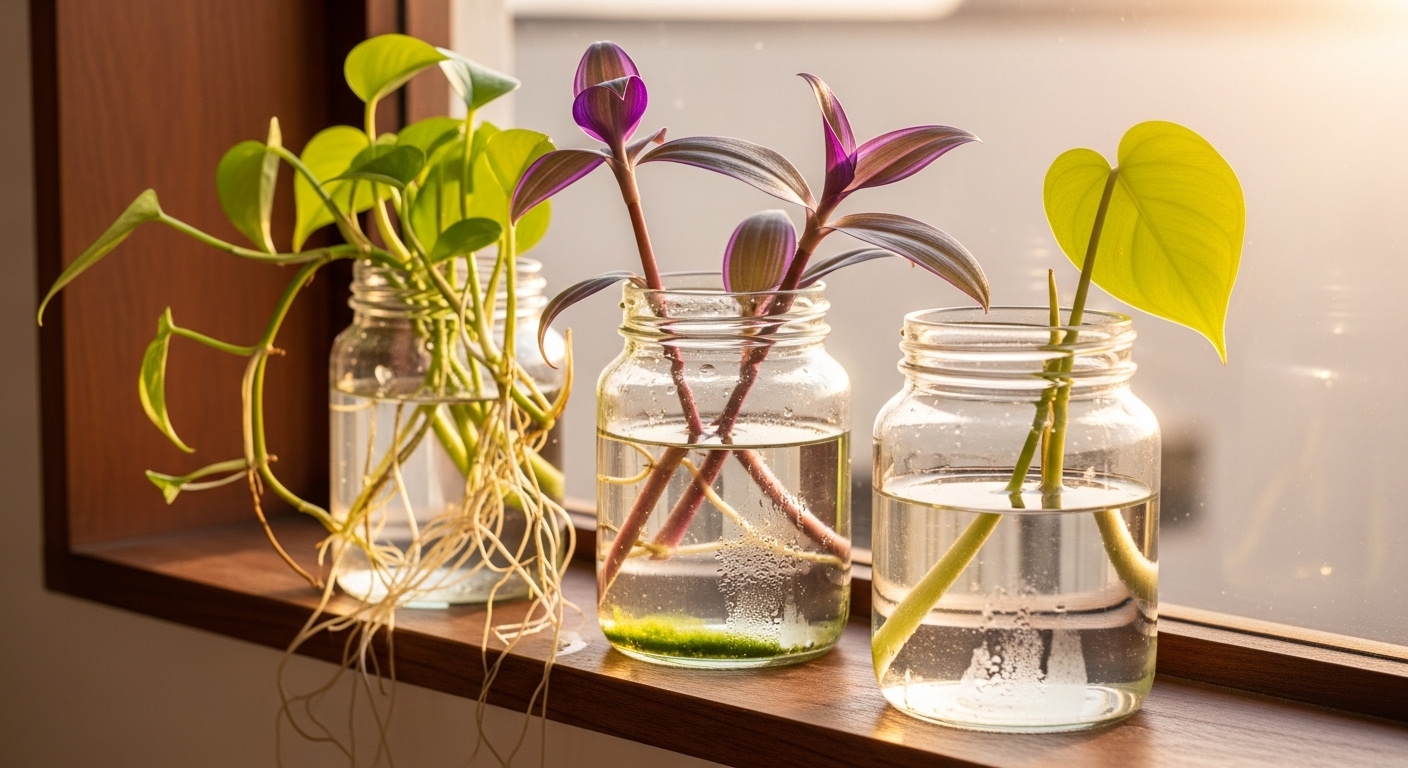
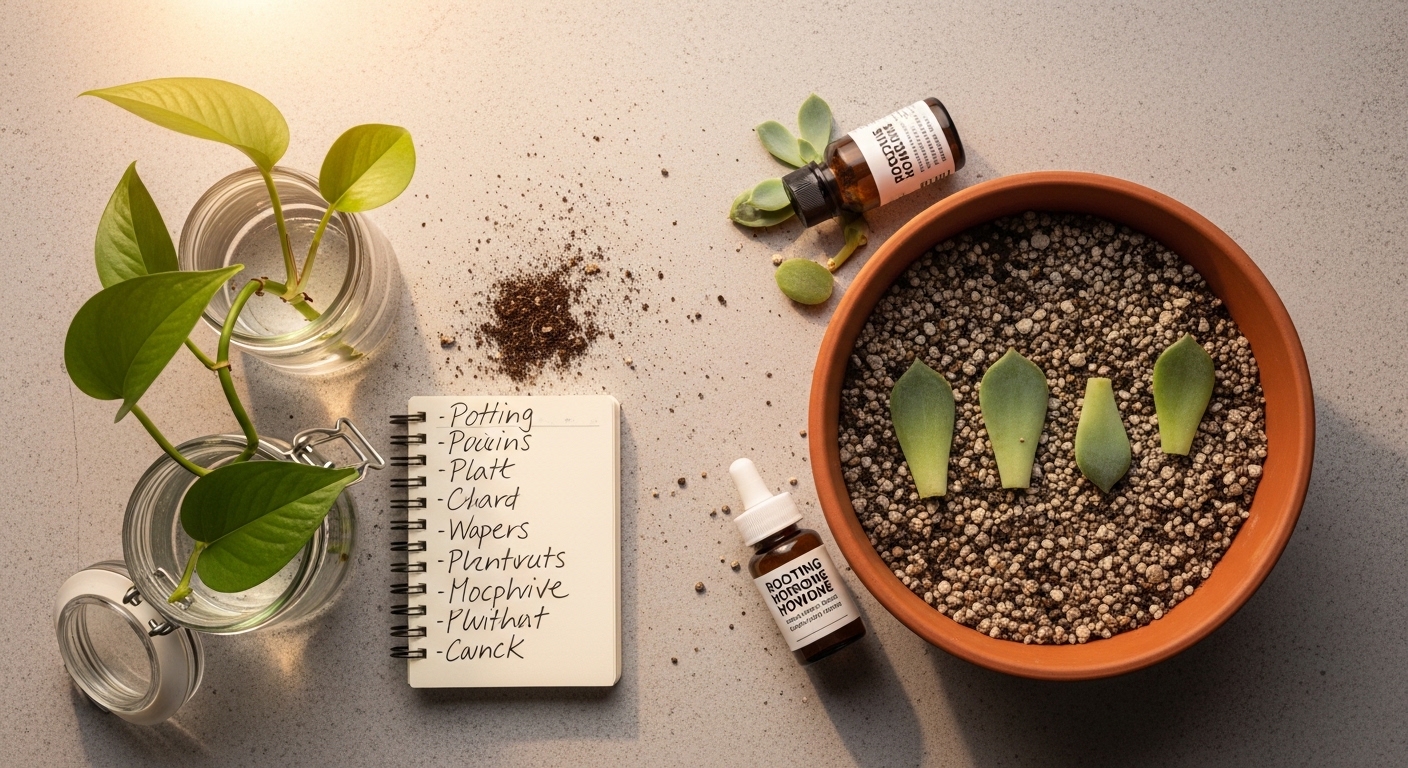
Water propagation works by triggering a wound response in the cutting. Without soil microbes or moisture variation to contend with, the stem focuses energy on producing adventitious roots — new roots that emerge from stem tissue rather than existing root structures. In warm, bright conditions, many soft-stemmed species will show visible root nubs within one to two weeks.
The appeal is obvious. You can see exactly what's happening. There's something genuinely satisfying about watching a pothos node push out a tangle of white roots against a glass jar. Many growers notice they become more attentive to their cuttings simply because progress is visible — which also means problems like stem rot are caught early.
The trade-off is structural. Water roots develop in a low-resistance, oxygen-rich environment that's quite different from soil. They tend to be thinner and more brittle than roots grown directly in a substrate. When you eventually pot the cutting up, those roots have to adapt to a denser medium — and that transition can cause a temporary stall in growth, sometimes lasting several weeks.
To ease the water-to-soil transition, many growers gradually add small amounts of potting mix to the propagation water over several days before potting up. It's not a guaranteed fix, but it may reduce the adaptation stress on newly formed roots.
Species that tend to do well in water include:
- Pothos (Epipremnum aureum) — roots quickly and tolerates the transition well
- Heartleaf Philodendron — reliable rooting within two to three weeks
- Tradescantia — almost aggressively easy in water
- Impatiens — soft stems respond quickly
- Coleus — roots visibly within days in warm conditions
Soil Propagation — A Closer Look
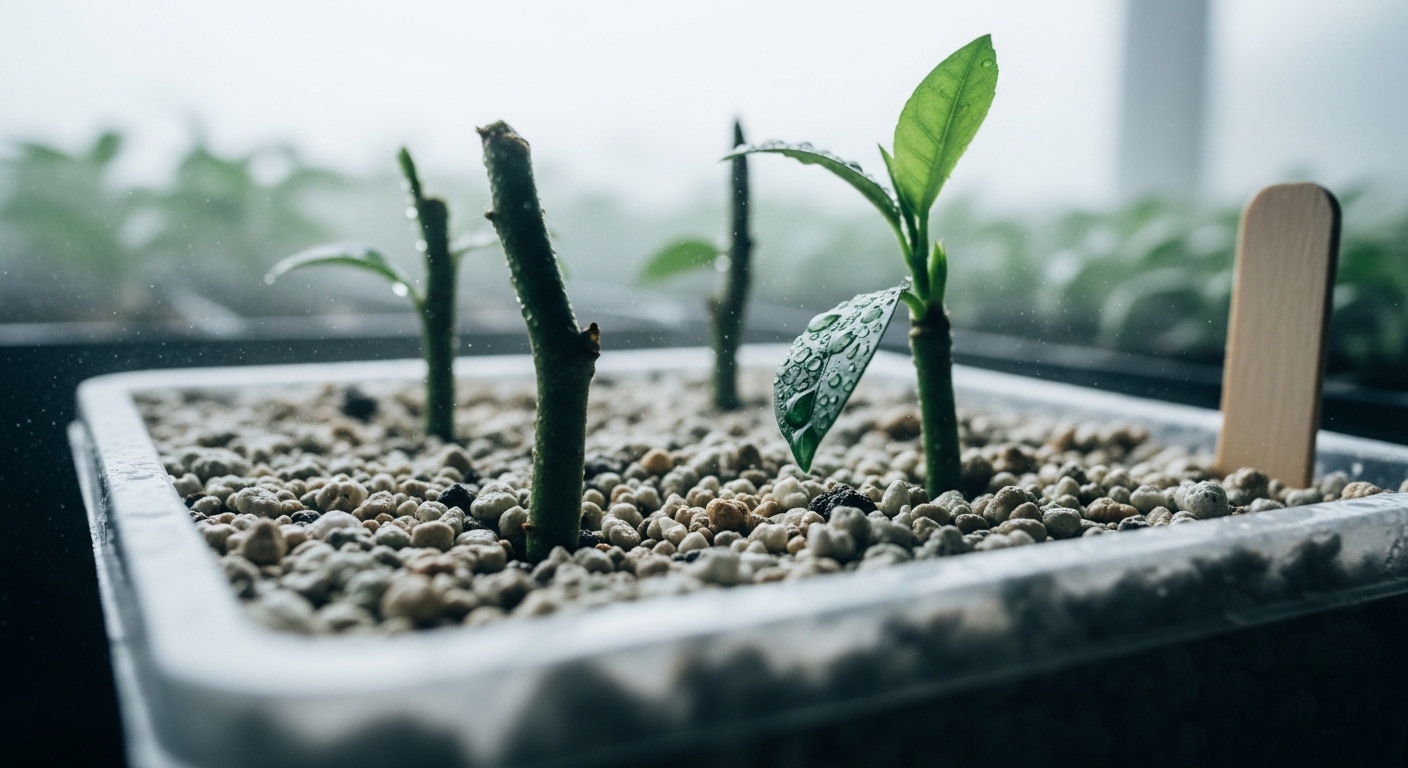
Soil propagation skips the intermediate step entirely. The cutting roots directly into the medium it will eventually grow in, which means the roots that form are already adapted to navigating soil particles, managing moisture variation, and accessing nutrients through microbial activity. There's no transition shock — the plant just keeps going.
The challenge is patience and moisture management. You can't see what's happening underground, so there's an unavoidable period of uncertainty. One frustrating part is that a cutting can look perfectly healthy for three weeks while producing almost no roots, then suddenly take off. Pulling it up to check — a temptation many growers give in to — can damage the fragile early root tips and set the whole process back.
Getting the substrate right matters more here than most guides admit. Standard potting mix straight from the bag is often too dense and moisture-retentive for cuttings. A mix that works well for many species combines:
- One part standard potting mix
- One part perlite or coarse horticultural sand
- Optional: a small amount of sphagnum moss for moisture retention around the node
This keeps the medium airy enough that roots can push through easily, while still holding just enough moisture to prevent the cutting from desiccating before it establishes.
Rooting hormone — whether powder, gel, or liquid — can improve strike rates for woody or semi-woody stems. It's not strictly necessary for soft-stemmed tropicals, but many growers find it shortens the waiting period noticeably for plants like rosemary, rubber trees, or fiddle-leaf figs.
How to Decide What's Right for You
The honest answer is that the best method is often the one that matches your plant species, your patience level, and your setup — not a universal rule.
Consider water propagation when:
- You're working with soft-stemmed tropical species that root easily
- You want visual confirmation that rooting is happening
- You're propagating for the first time and want a low-barrier entry point
- You're taking multiple cuttings and want to monitor each one individually
Consider soil propagation when:
- You're working with succulents, cacti, or any species that dislikes sitting in water
- You're propagating woody or semi-woody stems (ficus, monstera, rubber plant)
- You want to avoid the transplant shock that comes with potting up water-rooted cuttings
- You're propagating in larger batches and don't want to manage multiple water vessels
There are also species where the choice is essentially made for you. Succulents and cacti should almost never be propagated in water — their stems and leaves are prone to rot when submerged, and they root readily in dry or barely moist gritty substrate. On the other end, something like a pothos will root in water so reliably that there's rarely a reason to complicate it.
Can You Combine Both?
Yes — and for some species, a hybrid approach genuinely makes sense. The most common version is starting a cutting in water until you can see a healthy root system (generally 2–5 cm of root growth), then transitioning it to a very loose, airy soil mix rather than standard potting compost. This gives you the visibility benefit of water propagation while reducing the severity of transplant shock.
Another approach some growers use is semi-hydro or LECA (lightweight expanded clay aggregate) as a middle ground. Cuttings rooted in LECA develop roots that are structurally closer to soil roots than pure water roots, while still allowing you to monitor moisture and root development. It's worth exploring if you propagate frequently and find the water-to-soil transition consistently stressful for your plants.
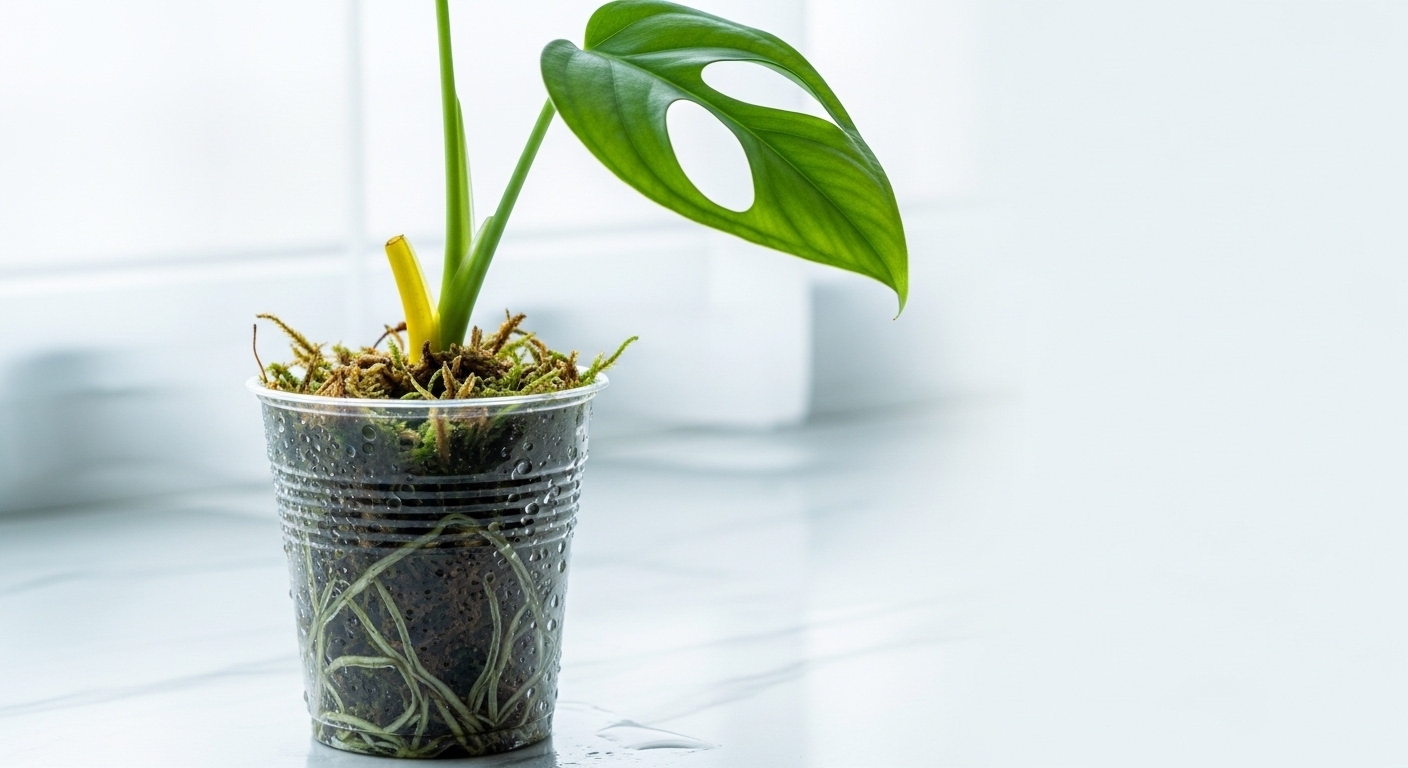
Sphagnum moss propagation sits somewhere between the two methods as well. The moss stays moist but airy, encouraging roots that adapt more easily to soil than water roots do. It's particularly popular for monsteras, hoyas, and other aroids where node propagation is common.
Whichever combination you try, the underlying principle stays the same: roots need oxygen, consistent moisture (not saturation), warmth, and time. The medium is just the delivery system.
Frequently Asked Questions
How long should I keep a cutting in water before potting it up?
Generally, wait until roots are at least 2–4 cm long and you can see several root branches forming — not just a single nub. Potting up too early means the roots haven't developed enough to anchor the plant in soil. Waiting too long (roots over 10 cm) can make the transition harder, as very long water roots are more prone to damage during potting.
Why are my water-propagated cuttings wilting after I pot them up?
This is transplant shock, and it's common. Water roots are adapted to a low-resistance, oxygen-rich environment and struggle initially when surrounded by soil particles. Keep the newly potted cutting in bright indirect light, maintain consistent soil moisture (not soggy), and consider covering it loosely with a clear bag or humidity dome for the first week to reduce moisture loss through the leaves.
Can I propagate succulents in water?
Most succulent species are not well-suited to water propagation. Their stems and leaf bases are prone to rot when kept wet, and they root most reliably when leaf or stem cuttings are placed on dry or barely moist gritty substrate and left to callus first. There are exceptions — some growers have success with certain echeveria leaves suspended just above water — but soil or dry propagation is generally more reliable.
Does rooting hormone help with water propagation?
Rooting hormone is primarily designed for soil propagation, where it encourages callus formation and root initiation at the cut surface. In water, many soft-stemmed species root readily without it. That said, some growers dip cuttings in gel rooting hormone before placing them in water, and many find it doesn't hurt — though the evidence for significant improvement in water propagation is mostly anecdotal.
What's the ideal water temperature for water propagation?
Room temperature water — roughly 18–24°C — tends to work well for most tropical houseplants. Cold water can slow root development noticeably. Change the water every five to seven days to prevent bacterial buildup, and use a clean jar each time if possible. Some growers add a small piece of activated charcoal to the water to keep it fresher between changes.
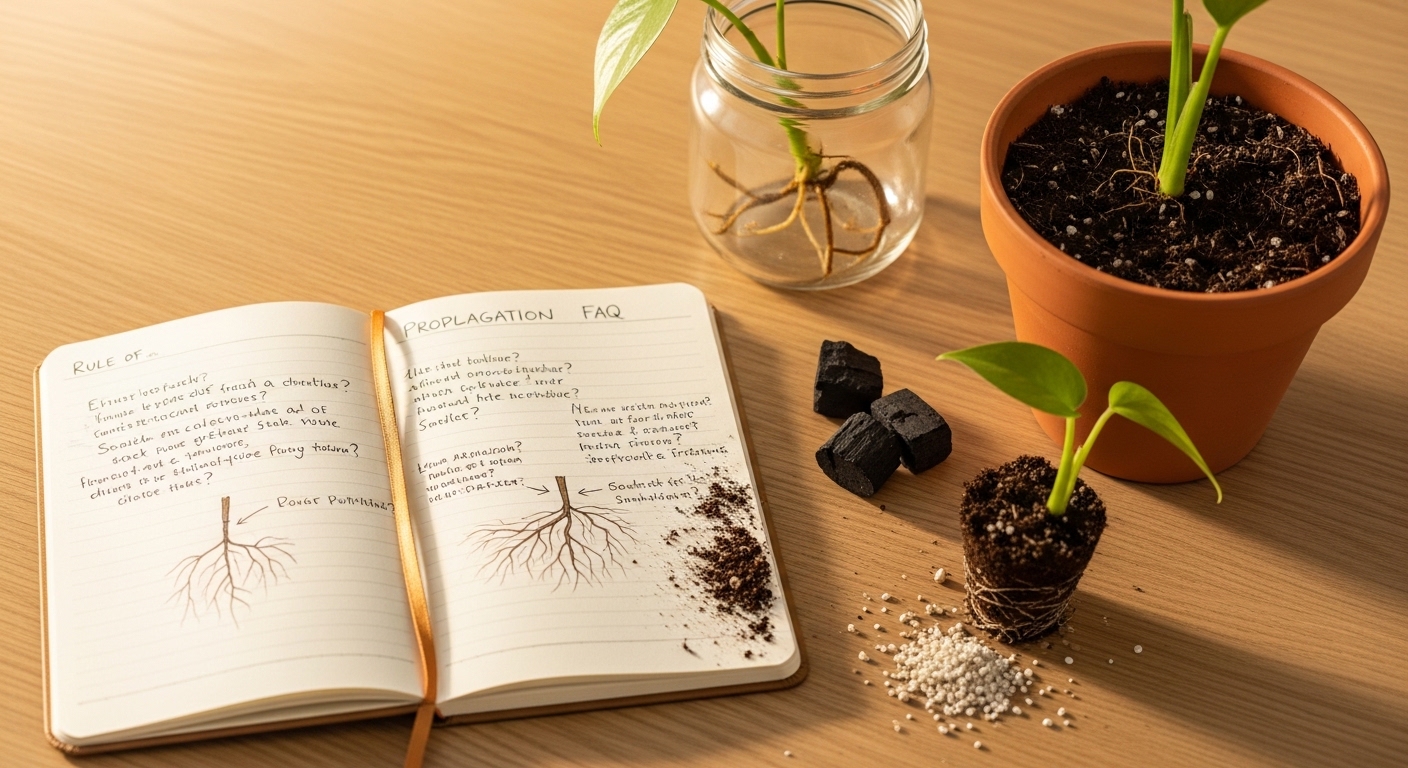
Neither method has a monopoly on success. The plants that root most easily in water will often root just as easily in a good propagation mix — and the ones that struggle in water frequently find their footing in soil. Start with the method that feels most manageable for your setup, observe what your specific plants respond to, and adjust from there. If you're also navigating questions around potting mix ratios or when to repot newly rooted cuttings, those topics are worth exploring as a natural next step.


Comments
Post a Comment